Why Most People Skip the Daily Review
The daily review is one of the most recommended habits in productivity literature, yet it is also one of the most skipped. The reason is usually the same: it feels optional. When you are busy, the first thing to cut is reflection time, because reflection does not produce an immediate tangible output. This is a costly mistake.
Top performers across disciplines, from athletes to CEOs, consistently report that structured reflection is not separate from high performance. It is the engine of it. A 10-minute investment in reviewing your day can save two hours of misdirected effort the following day.
The Four Questions That Make a Review Effective
A good daily review does not need to be long or complex. It needs to be honest. Focus on four questions:
-
What did I complete today? Write down what you actually finished, not what you planned. This builds an accurate picture of your real output over time.
-
What is still open or blocked? Identify anything that did not get done and why. Is it blocked by a dependency? Does it need more information? This prevents tasks from quietly disappearing from your radar.
-
What is the single most important task for tomorrow? Choose one, not five. Having one clear priority makes starting tomorrow morning dramatically easier.
-
What did I learn or want to do differently? This is where growth happens. Even one small observation per day compounds into significant improvement over months.
Timing Your Review for Maximum Impact
End-of-day reviews, completed before you close your laptop, outperform morning reviews because your working memory is still primed with the day's context. You know exactly what happened, what was left undone, and what caused friction. Morning reviews are better as a second pass to confirm priorities, not as a substitute for end-of-day processing.
If you work from home, create a physical ritual that signals the end of the workday: brew a specific tea, change out of work clothes, or take a short walk. Attach your review to this ritual so the behavior becomes automatic.
Building the Habit So It Sticks
Habit research consistently shows that attaching a new behavior to an existing one, a technique called habit stacking, dramatically increases the likelihood of consistency. Choose an anchor habit you already do reliably at the end of the day and stack your review immediately before or after it.
Track your streak visually. Seeing a chain of completed reviews makes you psychologically reluctant to break it. Chrobox includes a streak tracker for your daily review habit that sends a gentle reminder five minutes before your designated review time.
Using Chrobox for Automated Review Support
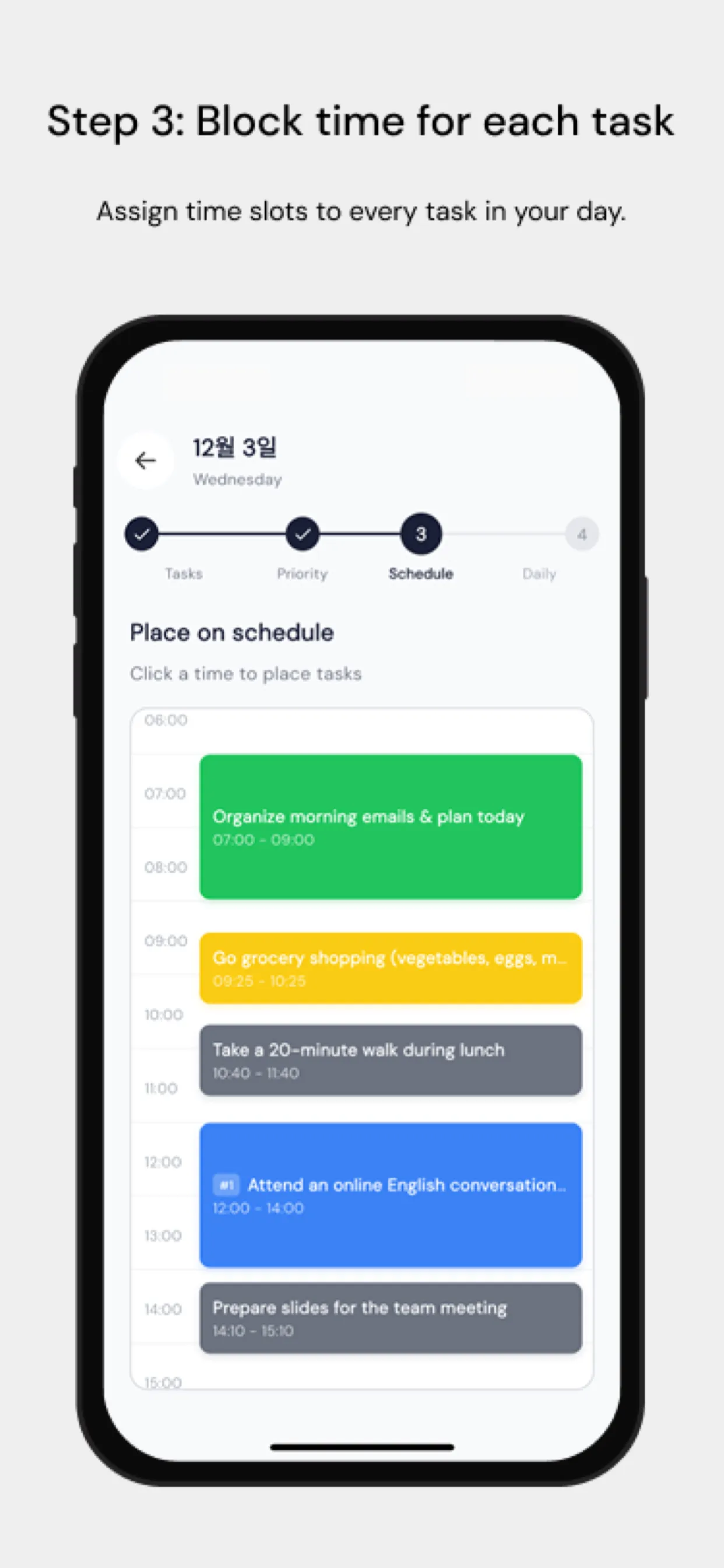
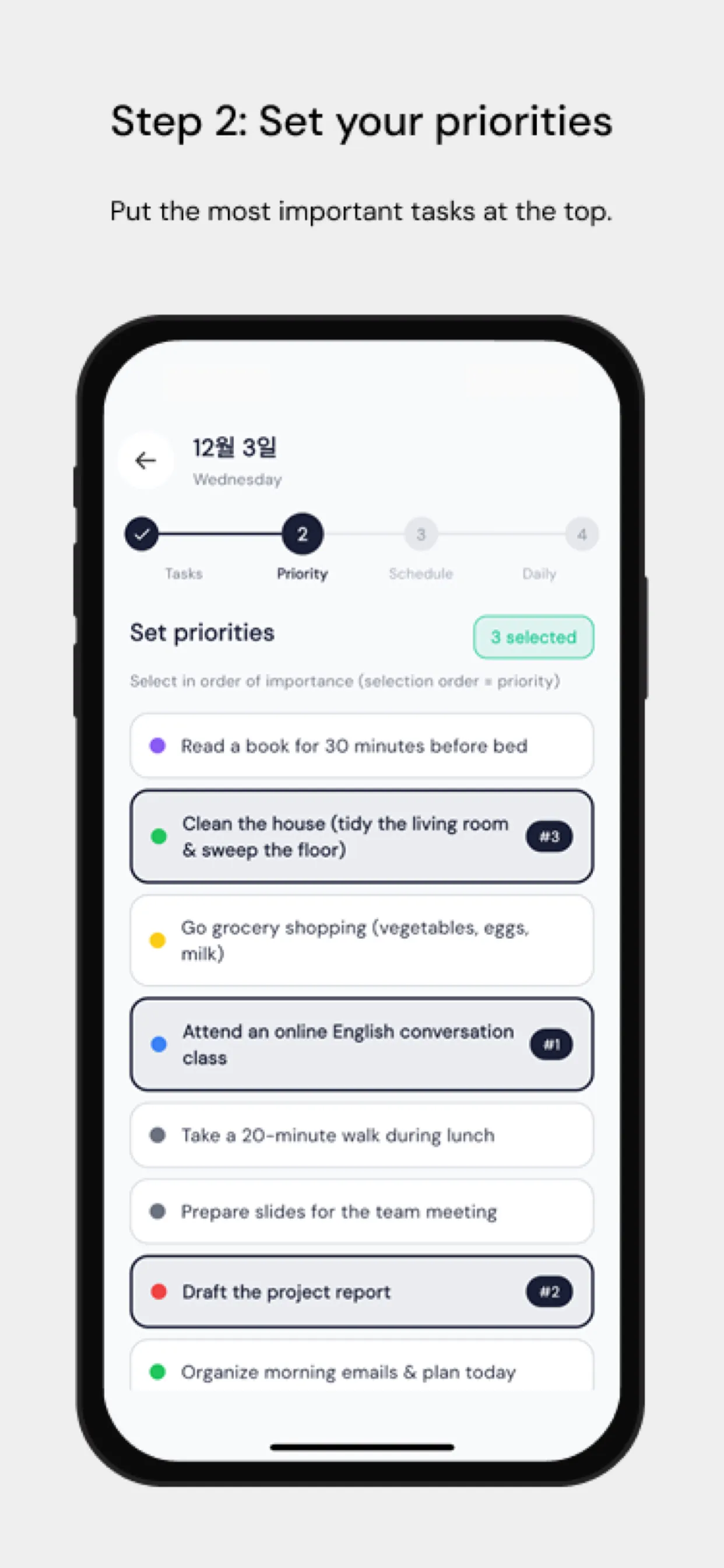
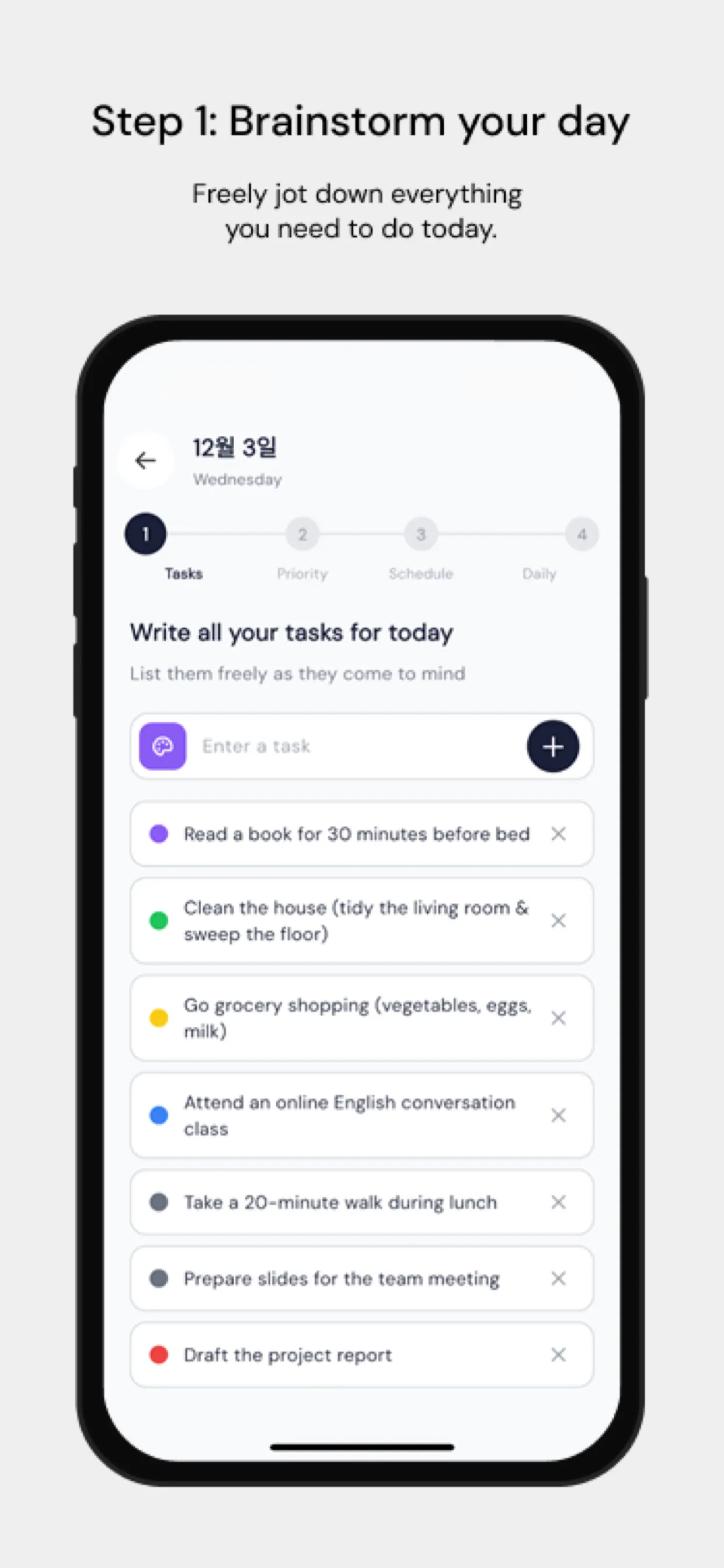
Chrobox pre-fills your daily review with that day's completed, incomplete, and rescheduled tasks, removing the effort of manually recalling what happened. You see your completion rate, where you overestimated or underestimated task duration, and which tasks migrated from earlier days. This data makes your four questions much easier and more accurate to answer.
Over time, Chrobox's analytics show you patterns: which days of the week you are most productive, what task types you consistently underestimate, and which recurring blockers keep appearing. This turns your daily review from a simple habit into a genuine continuous improvement system.