Deep Work Scheduling: How to Protect Your Most Productive Hours
Cal Newport defines deep work as 'professional activities performed in a state of distraction-free concentration that push your cognitive capabilities to their limit.' It produces the work that moves careers forward. Yet most knowledge workers get less than one hour of genuine deep work per day.
The obstacle isn't willpower. It's scheduling.
Why Deep Work Is So Hard to Protect
Deep work competes with shallow work for calendar space. Meetings, emails, and Slack messages are easier to schedule and feel immediately productive. They also tend to multiply. Without deliberate protection, deep work gets crowded out.
The Time-Boxing Solution
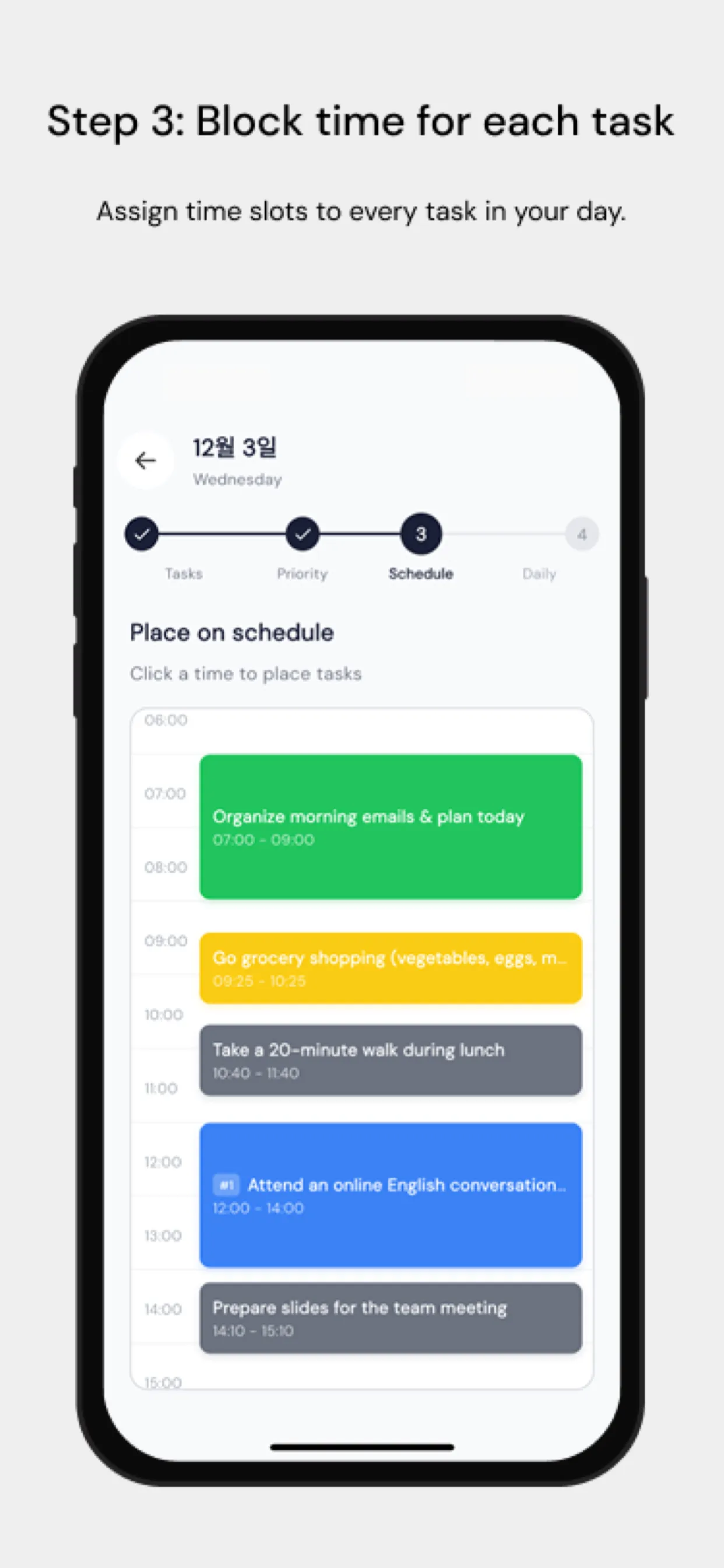
Time-boxing deep work means treating it like any other appointment: it goes on the calendar, it has a start time, and it cannot be casually rescheduled.
The key difference from regular scheduling is the explicit commitment to distraction-free conditions. A deep work block isn't just time reserved—it's time protected.
How to Schedule Deep Work Blocks
1. Identify your peak hours. Most people have a two to four hour window when their analytical thinking is sharpest. For many, this is mid-morning. Protect this window ruthlessly.
2. Schedule in advance. Plan deep work blocks at the start of each week, not the start of each day. Day-of scheduling leads to displacement by urgent but shallow tasks.
3. Limit to four hours maximum. Quality deep work degrades after four hours. Scheduling six hours looks productive but often produces the same output as four hours at higher quality.
4. Stack similar tasks. If writing requires deep work, schedule all writing tasks together. Context-switching between different types of deep work reduces the benefit.
Creating the Right Conditions
- Close email and messaging applications entirely—not just notifications
- Use a dedicated browser profile with distracting sites blocked
- Communicate your deep work hours to your team at the start of the week
- Have a physical signal (closed door, headphones) that signals unavailability
Handling Interruptions
Despite preparation, interruptions happen. Keep a small notepad for capturing urgent items that arise during deep work. Noting them removes the mental burden and lets you return to focus immediately.
Never break a deep work block to handle an email unless it is a genuine emergency. Almost nothing is.
Measuring Output, Not Time
The goal of a deep work block is not to sit at a desk for two hours—it's to produce a specific output. Define the deliverable before the block begins: 'Complete the first draft of section three' beats 'work on the report.'
Chrobox for Deep Work
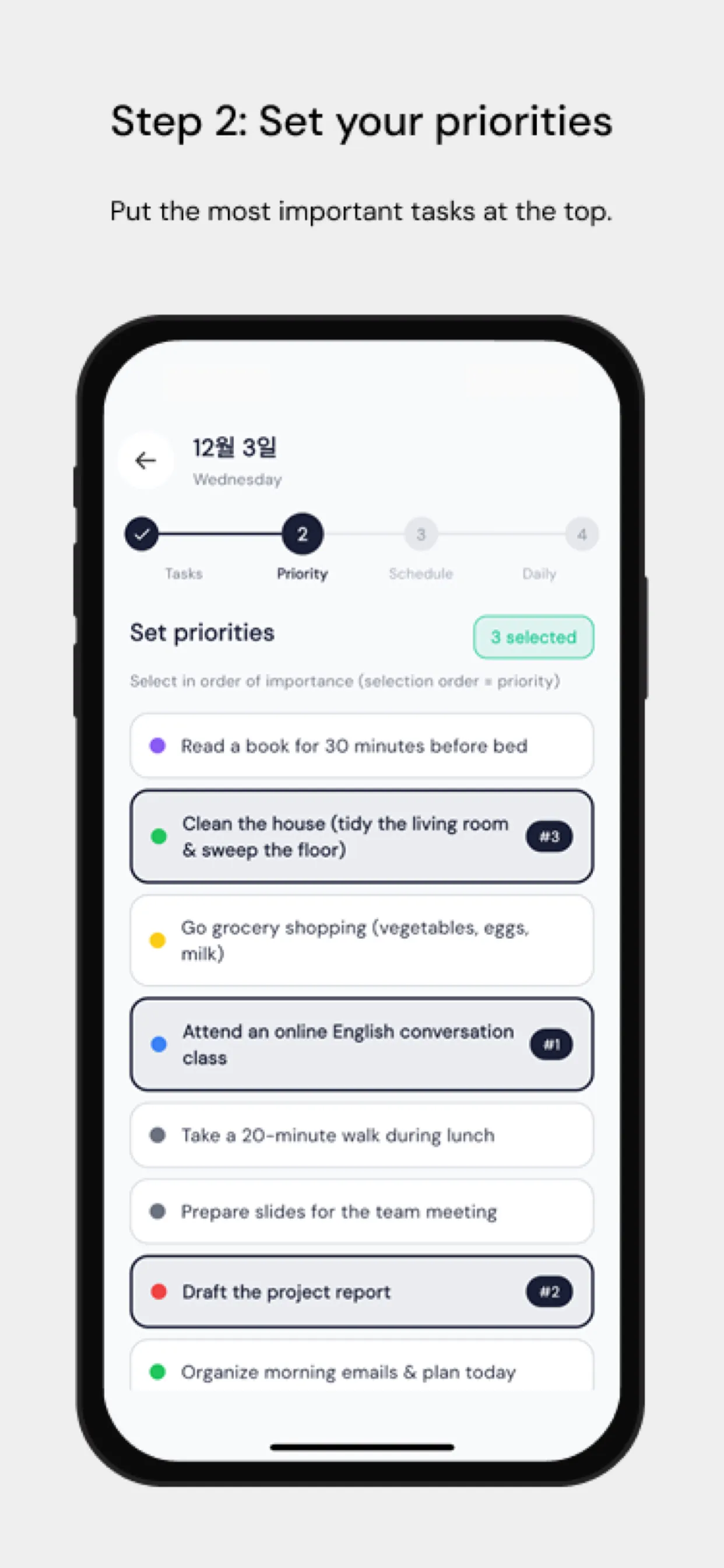
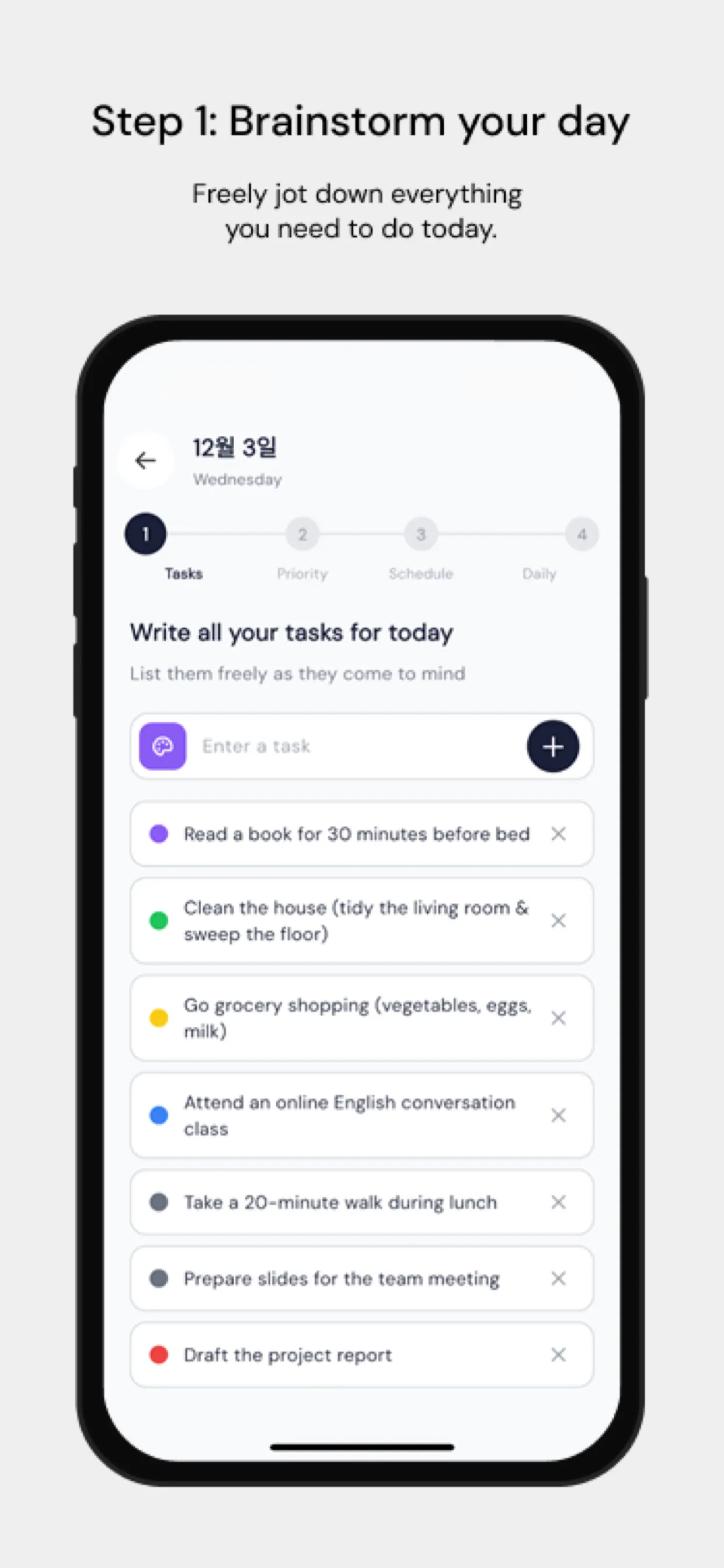
Chrobox makes deep work blocks visible alongside every other commitment in your day. The visual time log lets you verify that your scheduled deep work actually happened—not just that you were at your desk. Over time, this data helps you find the scheduling patterns that produce your best work.
Protect your deep hours. Everything else can wait.