App Blocker + Timeboxing: The Focus Stack That Actually Works
App blockers are everywhere in 2026 — most phones ship with some version built in. And yet most people who install one stop using it within a month. The problem is rarely the blocker itself; it is that blocking is only half of a working focus system. The other half is timeboxing, and the two together form a stack that actually holds up under real-life pressure.
Why Blocking Alone Fails
An app blocker answers one question: "what can't I do right now?" It says nothing about what you should be doing instead. Left with a blocked phone and no plan, most people experience one of two outcomes: they find a different low-value distraction the blocker did not cover, or they simply feel restless without the dopamine hits they are used to, and disable the block out of discomfort.
Neither outcome is a personal failure — it is the predictable result of removing a behavior without replacing it with a structure. A block with nothing to fill it is a vacuum, and vacuums get filled with whatever is easiest to reach.
Pairing Blocks with Planned Time Slots
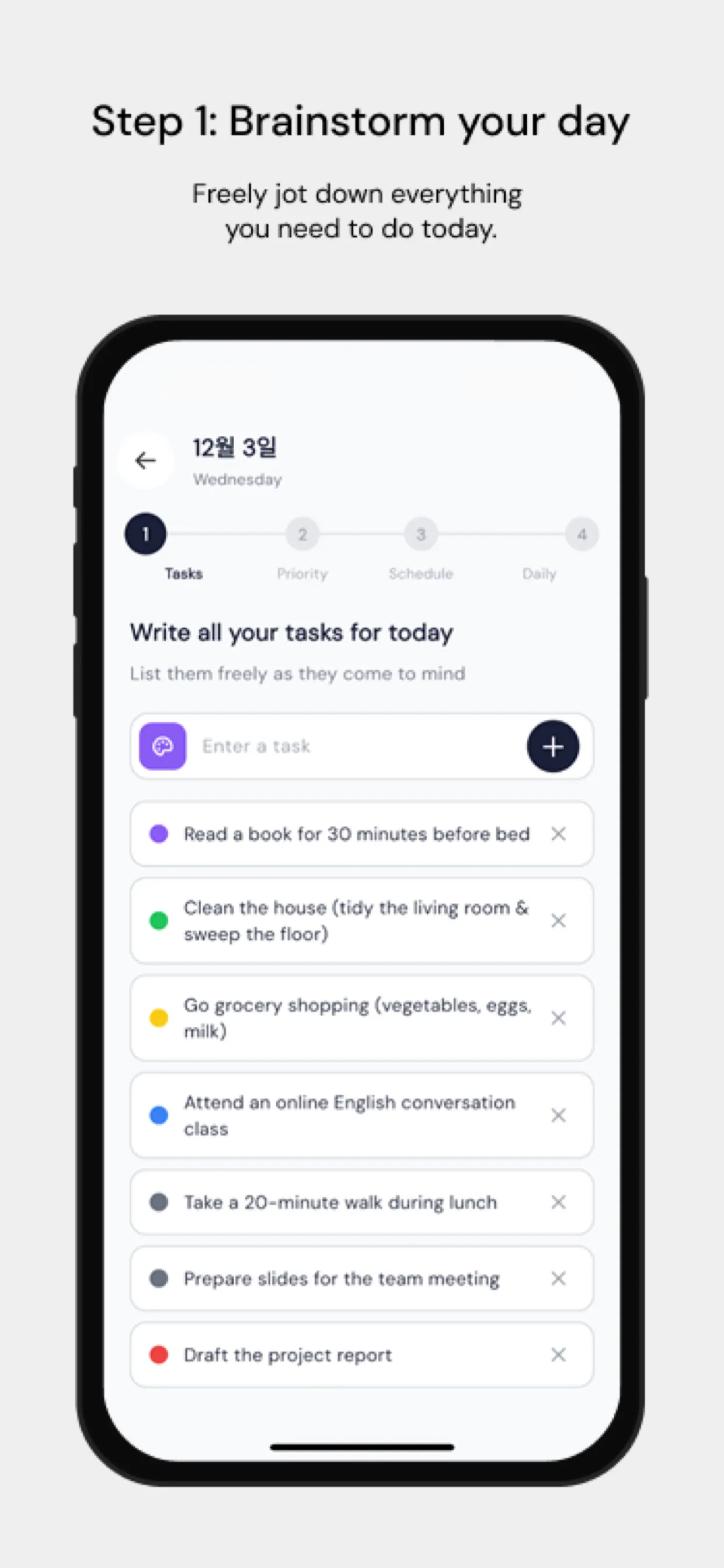
The fix is simple in concept: never activate a block without a specific task and a specific end time attached to it. This is exactly what timeboxing provides. Instead of "block distracting apps for a while," the unit becomes "block distracting apps from 9:00 to 10:30 while I write the Q3 report."
This single change transforms the psychology of the session. You are not fighting the absence of your phone — you are working toward a defined outcome, and the blocked apps are simply a side effect of protecting that outcome, not the main event.
A Simple Starting Structure
- Morning deep-work block (60-90 min): Your hardest cognitive task, apps blocked, notifications off.
- Midday communication block (30-45 min): Blocking off, catch up on messages and email deliberately rather than reactively.
- Afternoon deep-work block (60-90 min): Second-hardest task, blocking back on.
- Evening wind-down (unblocked): No blocking needed — the goal is protecting specific hours, not banning your phone forever.
Focus Session Rituals
A short, repeated ritual right before a blocked timebox begins measurably shortens the time it takes your brain to settle into focus. The exact steps matter less than the consistency:
- Close unrelated tabs or apps.
- Put your phone face-down or in another room if the task does not require it at all.
- Start the timer and confirm the blocked app list for this session.
- Take one slow breath and state the task out loud or in writing: "For the next 75 minutes, I am working on X."
This four-step sequence takes under a minute but acts as a clear boundary between "before" and "in the block," which reduces the mental friction of getting started — often the hardest part of any focus session.
Streaks and Routines for Habit Reinforcement
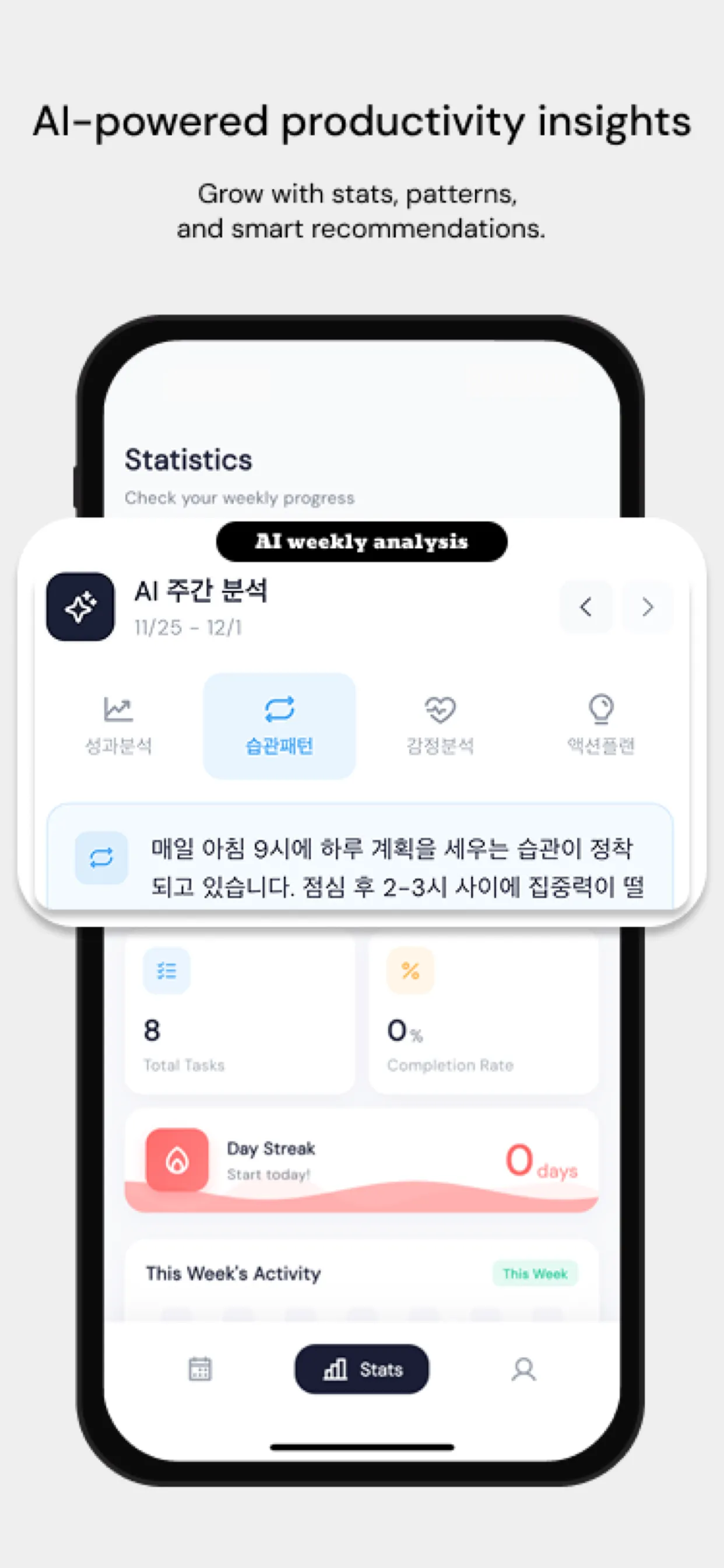
Willpower is a poor long-term strategy; visible progress is a much better one. Tracking a streak of completed blocked focus sessions works through loss aversion — once you have five or ten days in a row, breaking the chain starts to feel like losing something you already earned, not just failing to gain something abstract.
A streak also functions as a diagnostic tool. If you notice your streak consistently breaks on Wednesdays, that is a signal worth investigating — a recurring meeting, a specific stressor, an energy dip — rather than a moral failing to feel bad about. Treat the pattern as data, and adjust your schedule around it.
Accountability Through Lock-Screen Widgets and Live Activity
One underrated reason blocking sessions get abandoned mid-way is that the moment you unlock your phone for any reason, you land on your home screen and see everything you are not supposed to be checking. A lock-screen widget or Live Activity that shows your current focus block and remaining time — "Deep Work, 38 min left" — solves this by giving you the information you actually need (how much longer, and what you committed to) without requiring a full unlock into temptation.
This is a small design detail with an outsized effect: it turns your lock screen itself into a passive accountability partner. You see your commitment before you see anything else, which makes an impulsive mid-session app-switch measurably less likely.
Putting the Full Stack Together
The complete system looks like this:
- Plan a specific task into a specific time block the night before or first thing in the morning.
- Ritual — a 30-60 second sequence that signals the block is starting.
- Block the apps that would otherwise pull you away, tied automatically to that block's duration.
- Track the session on a visible streak, reviewed weekly.
- Surface the current block passively via lock-screen widget or Live Activity so accountability does not require unlocking your phone.
Chrobox is built around exactly this chain — app blocking activates automatically when a timeboxed focus task starts, a lock-screen widget and Live Activity keep the session visible without a full unlock, and a streak grid tracks your consistency over time so the system reinforces itself instead of relying on daily willpower.
Conclusion
Blocking apps is necessary but not sufficient. Timeboxing gives blocking a purpose, a ritual shortens the runway into focus, and a visible streak turns a single good day into a compounding habit. Stack all four and you get a focus system resilient enough to survive a bad week — which is the actual test of whether a productivity system works.