Why Teams Struggle with Productivity Differently Than Individuals
Individual productivity is hard. Team productivity is harder. When you add coordination costs, communication overhead, and the challenge of aligning diverse working styles, the complexity multiplies. Time-boxing addresses these team-specific challenges in ways that individual productivity techniques cannot.
The Core Problem: Invisible Time
In most teams, time is invisible. People work, meetings happen, and results appear (or don't) — but nobody has a clear picture of how collective time is actually being spent. This opacity makes it impossible to identify waste, optimize workflows, or set realistic expectations.
Team time-boxing makes time visible. When everyone's blocks are shared and structured, patterns emerge: where are the bottlenecks? Which team members are over-scheduled? Where does rework happen most?
Implementing Team Time-Boxing: A Framework
Phase 1: Align on principles (Week 1) Before tools or schedules, agree on team norms: What counts as an interruption? What communication requires immediate response versus a same-day response? When is it appropriate to book over someone's focus time? Documenting these agreements prevents conflict later.
Phase 2: Establish shared structure (Week 2) Create a team time-boxing template: morning sync (15 min), deep work blocks (2-3 per day, minimum 90 min each), collaboration windows (specific hours when meetings can be scheduled), and end-of-day wrap-up (15 min). Protect deep work blocks from meeting scheduling.
Phase 3: Use outcome-based time boxes (Week 3+) Shift from task-based to outcome-based assignments. Instead of "work on the marketing campaign," assign "complete first draft of Q2 campaign brief by Thursday 5 PM." This changes accountability dynamics and makes handoffs cleaner.
Phase 4: Review and refine (Monthly) Hold a monthly retrospective specifically on time structure. Review: Are deep work blocks being honored? Are meeting hours staying within their windows? Is rework decreasing? Adjust the team template based on data.
Time-Boxing in Agile Teams
Agile teams already use time-boxing at the sprint level (2-week boxes). The opportunity is to extend this discipline to the daily level. Daily stand-ups should themselves be time-boxed to 15 minutes. Sprint ceremonies (planning, review, retrospective) benefit from timed agendas within their already time-boxed formats.
Managing Different Work Styles
Teams contain both morning people and evening people, both deep-work specialists and collaborative generalists. A good team time-boxing system accommodates this by defining shared availability windows (e.g., 10 AM-12 PM and 2-4 PM for collaboration) while leaving remaining time for individual autonomy.
Cross-Platform Coordination with Chrobox
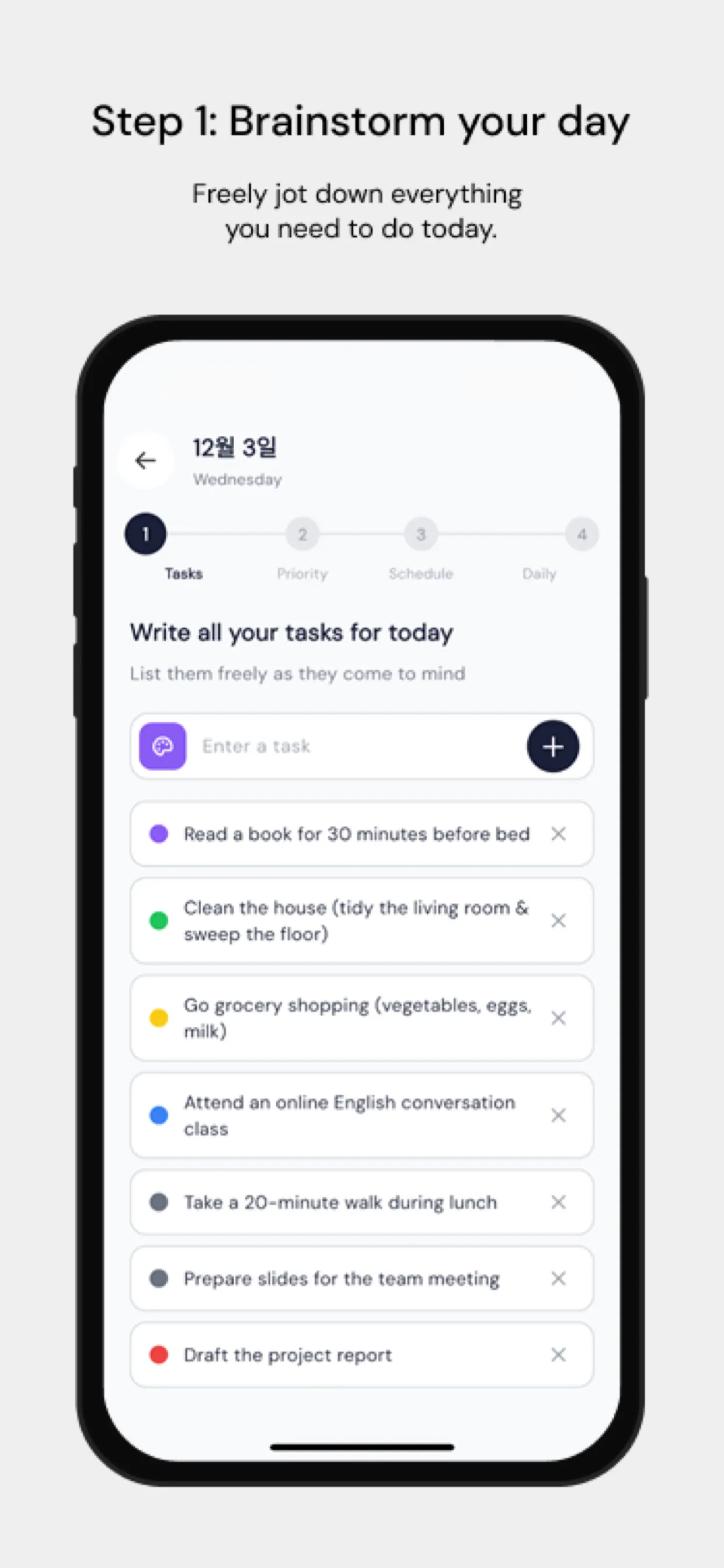
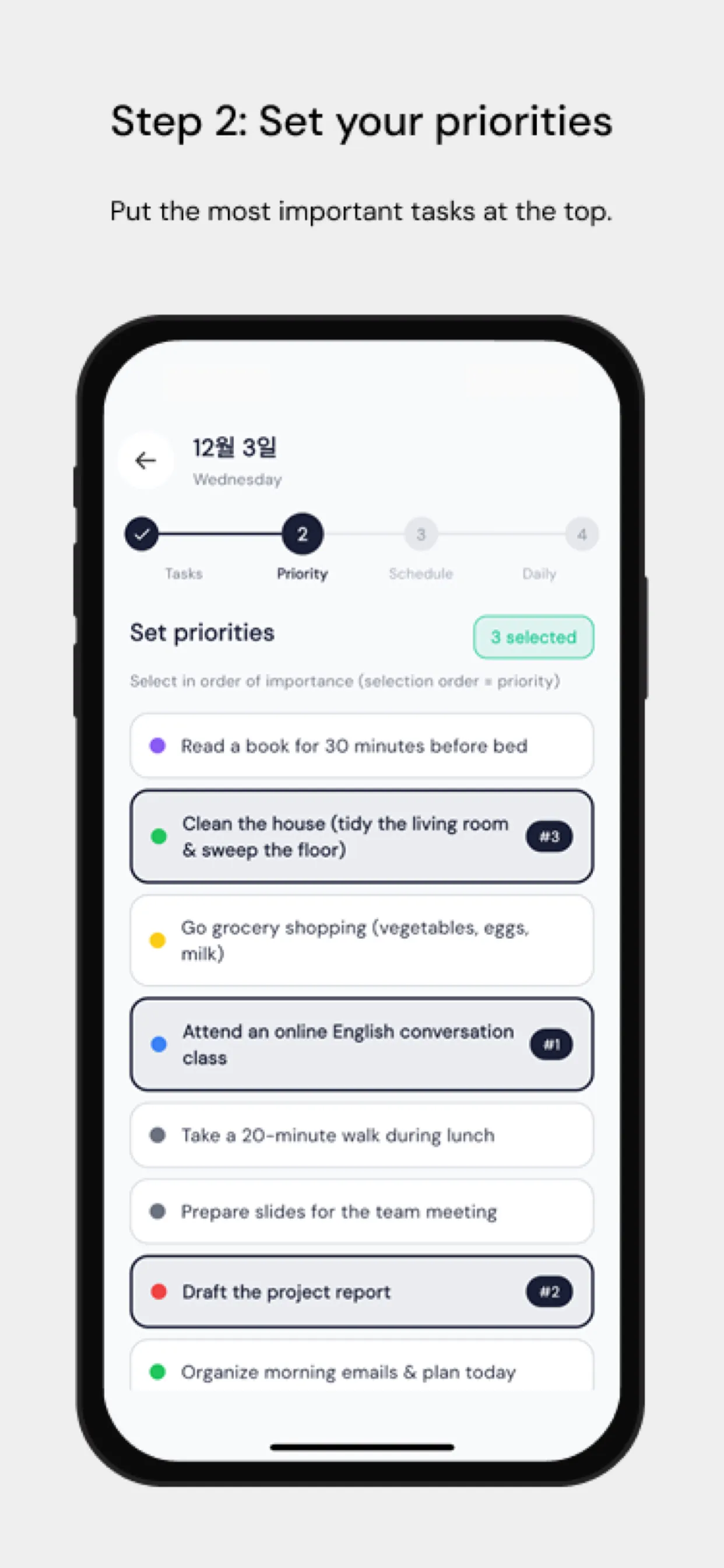
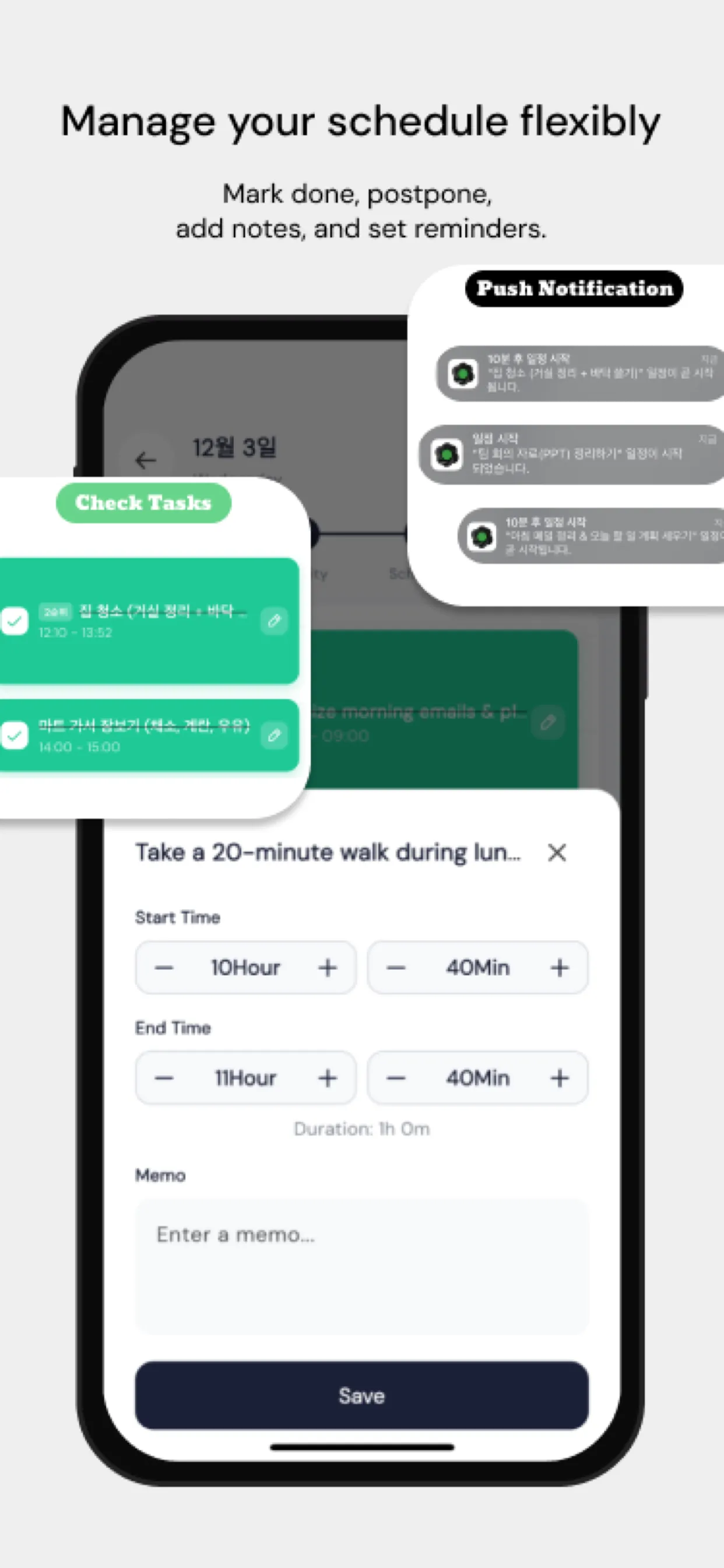
One of the biggest friction points in team time-boxing is tool fragmentation — some team members use iOS, others macOS, some work remotely. Chrobox's cross-platform sync ensures that time structures are consistent regardless of device or location. When a team block is set, everyone sees it. When a time box is completed, the data is available for team-level reporting.
Measuring Team Time-Boxing Success
Track these metrics after implementing team time-boxing:
- Meeting time per week (target: reduce by 20% within 60 days)
- Deep work hours per person per week (target: increase by 30%)
- Rework rate (target: decrease by 15%)
- Team satisfaction score (monthly pulse survey)
Time-boxing for teams is not about control — it is about creating the conditions for individual excellence to combine into collective excellence.