Two Powerful Techniques, One Crucial Difference
Time-blocking and time-boxing are frequently used interchangeably, but they operate on fundamentally different principles. Understanding the distinction helps you choose the right tool for each situation—and combine them powerfully when needed.
What Is Time-Blocking?
Time-blocking means assigning specific tasks or categories of work to defined time slots in your calendar. It's a scheduling tool.
Example: Blocking 9-11 AM for "writing" and 2-4 PM for "meetings."
The key characteristic: there's no strict deadline within the block. If writing takes longer, you can extend. The block is a container, not a constraint.
What Is Time-Boxing?
Time-boxing sets a fixed, non-negotiable time limit for completing a specific task. When the box ends, you stop—regardless of whether the task is complete.
Example: "I will write the introduction section in exactly 45 minutes."
The key characteristic: the deadline is absolute. This constraint is intentional—it creates urgency and forces prioritization.
The Psychology Behind Each Technique
Time-Blocking Psychology
Time-blocking reduces decision fatigue by pre-deciding when to do what. It prevents context-switching and creates dedicated focus windows. However, without fixed deadlines, Parkinson's Law kicks in: work expands to fill available time.
Time-Boxing Psychology
Time-boxing harnesses deadline pressure. The fixed end creates artificial urgency that sharpens focus. It also forces honest estimation—you must commit to how long a task should take before starting.
When to Use Each
| Situation | Better Choice | |-----------|---------------| | Planning deep work sessions | Time-blocking | | Writing, coding, creative work | Time-boxing | | Meetings and calls | Time-blocking | | Administrative tasks | Time-boxing | | Open-ended exploration | Time-blocking | | Deliverable with a deadline | Time-boxing |
Combining Both Techniques
The most effective approach uses both:
- Time-block your week at the macro level—designate blocks for different work types
- Time-box specific tasks within those blocks
For example, time-block Monday morning for "product development." Within that block, time-box: "wireframe new feature: 60 min," then "write spec document: 45 min."
Using Chrobox for Both Approaches
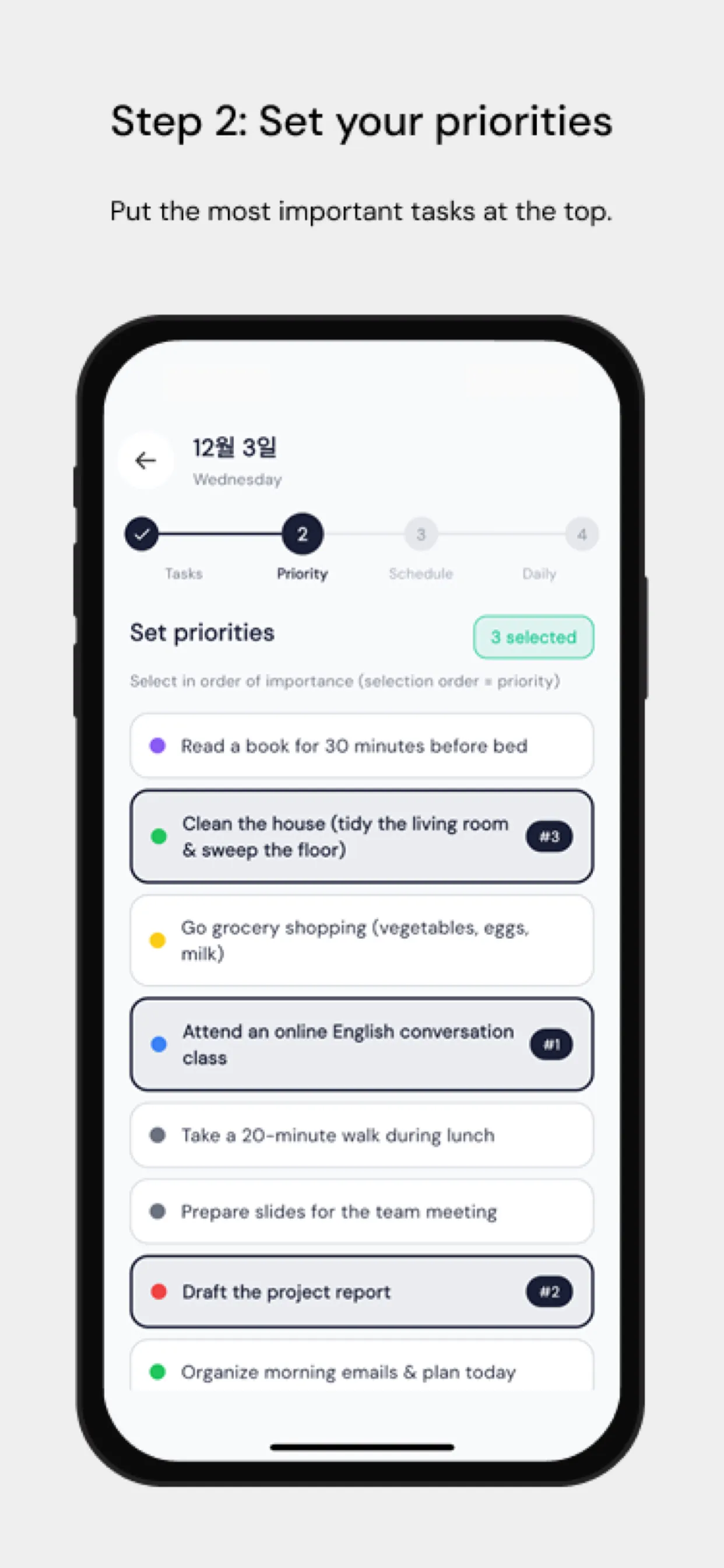
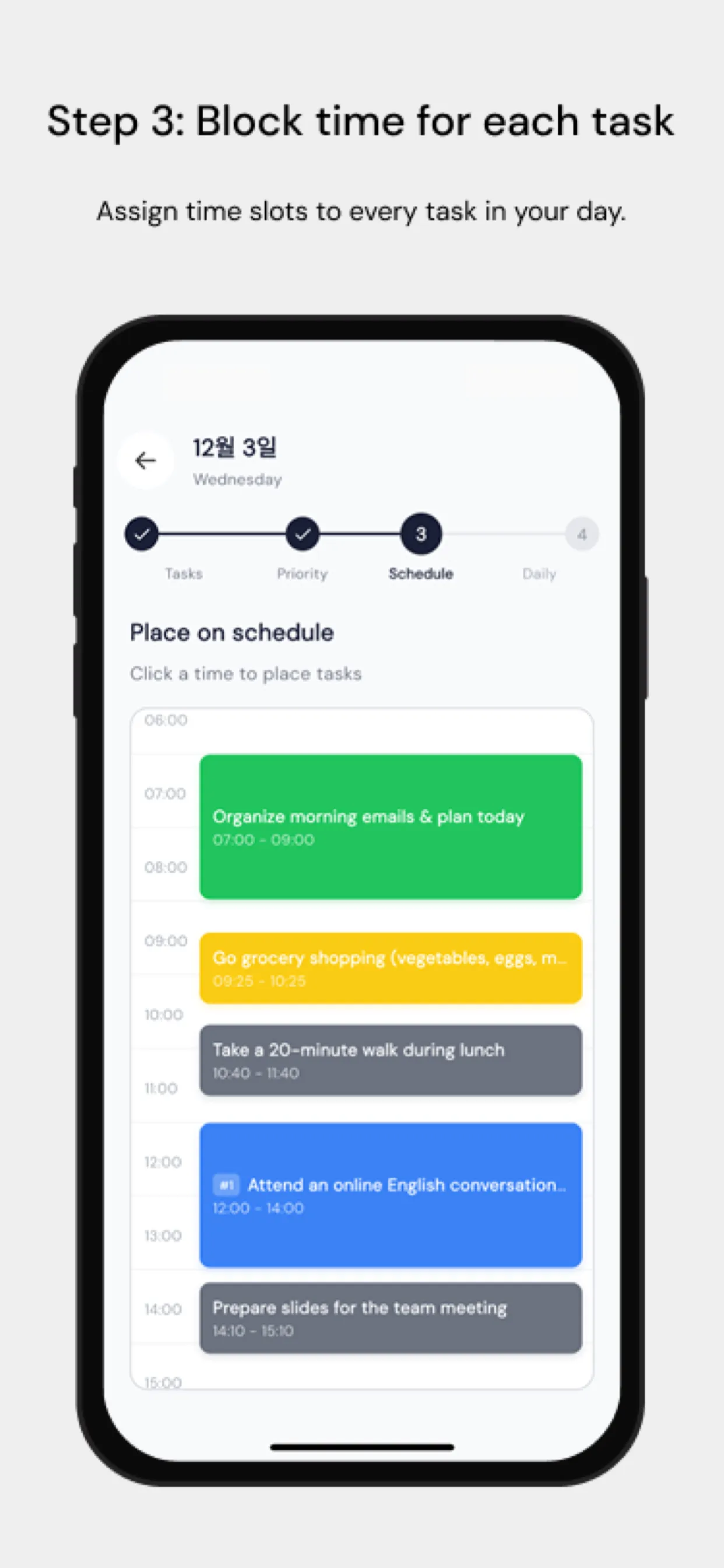
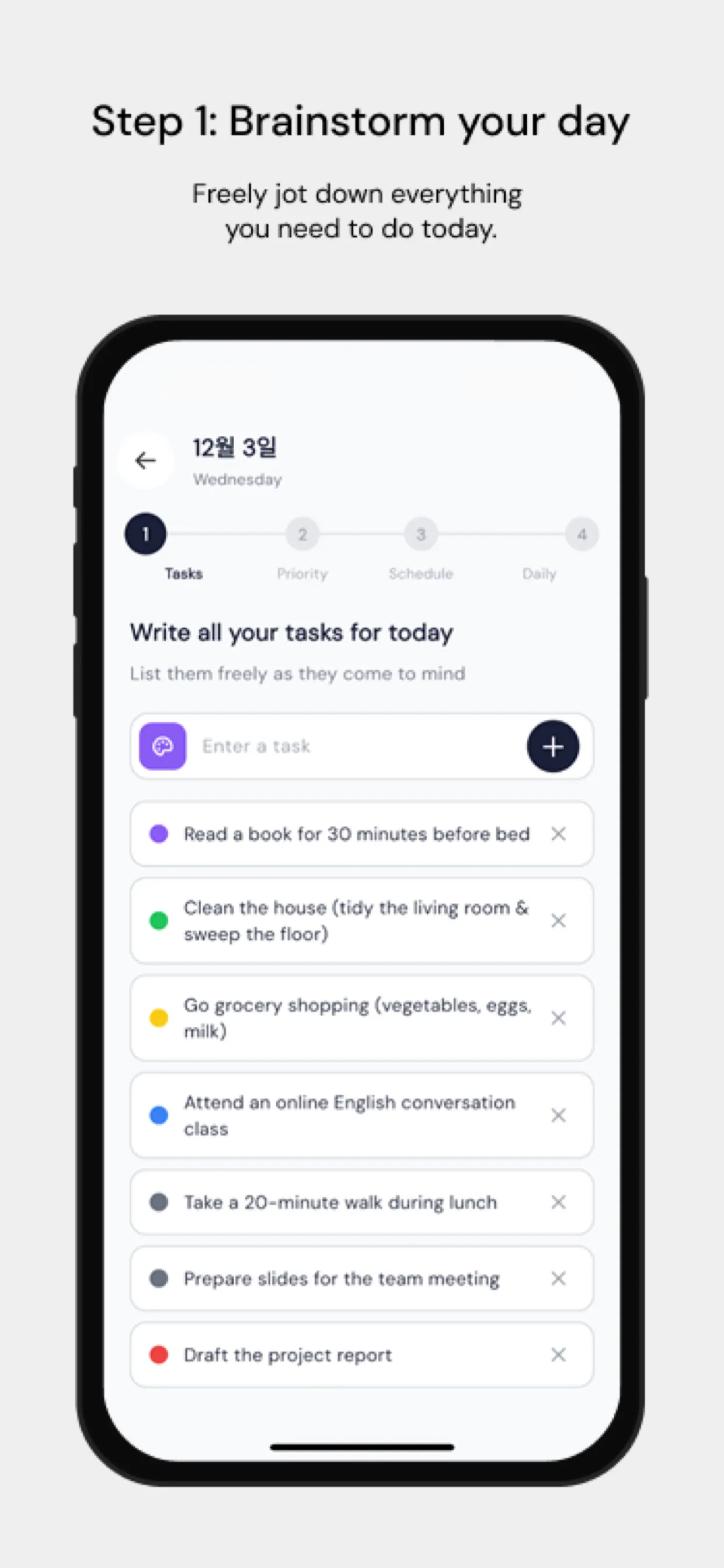
Chrobox supports both techniques elegantly. Create broad category blocks for time-blocking, then add specific task boxes within them. The visual timeline makes it easy to see your day structured at both levels simultaneously.
The Bottom Line
Time-blocking structures your day. Time-boxing disciplines your execution. Used together, they create a productivity system that is both flexible and rigorous—exactly what high performers need.