10 Common Time-Boxing Mistakes (And How to Fix Them)
You started time-boxing with enthusiasm. By Wednesday, your schedule was a graveyard of overdue blocks and rolled-over tasks. You concluded "time-boxing does not work for me" — but the truth is, you fell into one of ten predictable traps.
After coaching hundreds of Chrobox users, we have catalogued the most common mistakes that derail time-boxing routines. Here is what they are and exactly how to fix each one.
Mistake 1: Over-Scheduling Your Day
The trap: Packing 8 hours of work into 8 hours of boxes leaves zero buffer for reality.
The fix: Aim for 60-70% utilization. If you have 8 work hours, schedule 5-6 hours of boxes and reserve 2-3 hours for buffer, breaks, and reactive work. Your "free" time is not waste — it absorbs the inevitable interruptions.
Mistake 2: Underestimating Task Duration
The trap: You think a task takes 30 minutes; it takes 90.
The fix: Multiply your initial estimate by 1.5x for the first month. Track actual durations after each box. Within 4 weeks, your estimates calibrate naturally.
Mistake 3: Treating Boxes as Suggestions
The trap: When the timer ends, you keep working "just 10 more minutes." That 10 minutes becomes 45.
The fix: Stop the moment the box ends, even mid-sentence. The discipline matters more than the completion. If a task needs more time, schedule a new box explicitly.
Mistake 4: No Buffer Between Boxes
The trap: Back-to-back 60-minute boxes leave you cognitively drained by lunch.
The fix: Add 5-10 minute transition gaps between boxes. Use them for water, stretching, or a quick walk. These micro-recoveries protect afternoon performance.
Mistake 5: Same Box Length for Every Task
The trap: Forcing a quick email reply into a 60-minute box wastes time; cramming deep work into 25 minutes wastes potential.
The fix: Match duration to task type. Admin tasks: 15-30 min. Meetings: 30-60 min. Deep work: 60-90 min. Creative deep work: up to 2 hours.
Mistake 6: Ignoring Energy Patterns
The trap: Scheduling deep work after lunch when you are post-meal sluggish, then wondering why you cannot focus.
The fix: Run a 1-week energy audit. Note your alertness hourly. Schedule your hardest work in your peak window (usually 9-11 AM or 4-6 PM). Reserve low-energy slots for admin and email.
Mistake 7: Reactive Email and Slack
The trap: Checking messages between every box destroys deep-work momentum.
The fix: Time-box communication itself. Schedule three "comms boxes" daily (e.g., 9 AM, 1 PM, 4 PM). Outside those windows, notifications stay off.
Mistake 8: No Parking Lot for Distractions
The trap: A random idea pops up mid-box. You either chase it (breaking focus) or fight to remember it (also breaking focus).
The fix: Keep a single notepad open. When something pops up, jot one line and return to your box. Triage the parking lot during your next break.
Mistake 9: Skipping the Daily Review
The trap: You time-box without reviewing what worked and what failed.
The fix: End each day with a 5-minute review. Three questions: What was my best box today? What was my worst? What will I change tomorrow? This compound feedback transforms your system within a month.
Mistake 10: Quitting After One Bad Day
The trap: Wednesday goes off the rails, so you abandon time-boxing entirely.
The fix: Expect a 30-40% failure rate in week one. Time-boxing is a skill that takes 3-4 weeks to feel natural. A bad day is data, not defeat. Reset on the next box, not the next month.
How Chrobox Prevents These Mistakes
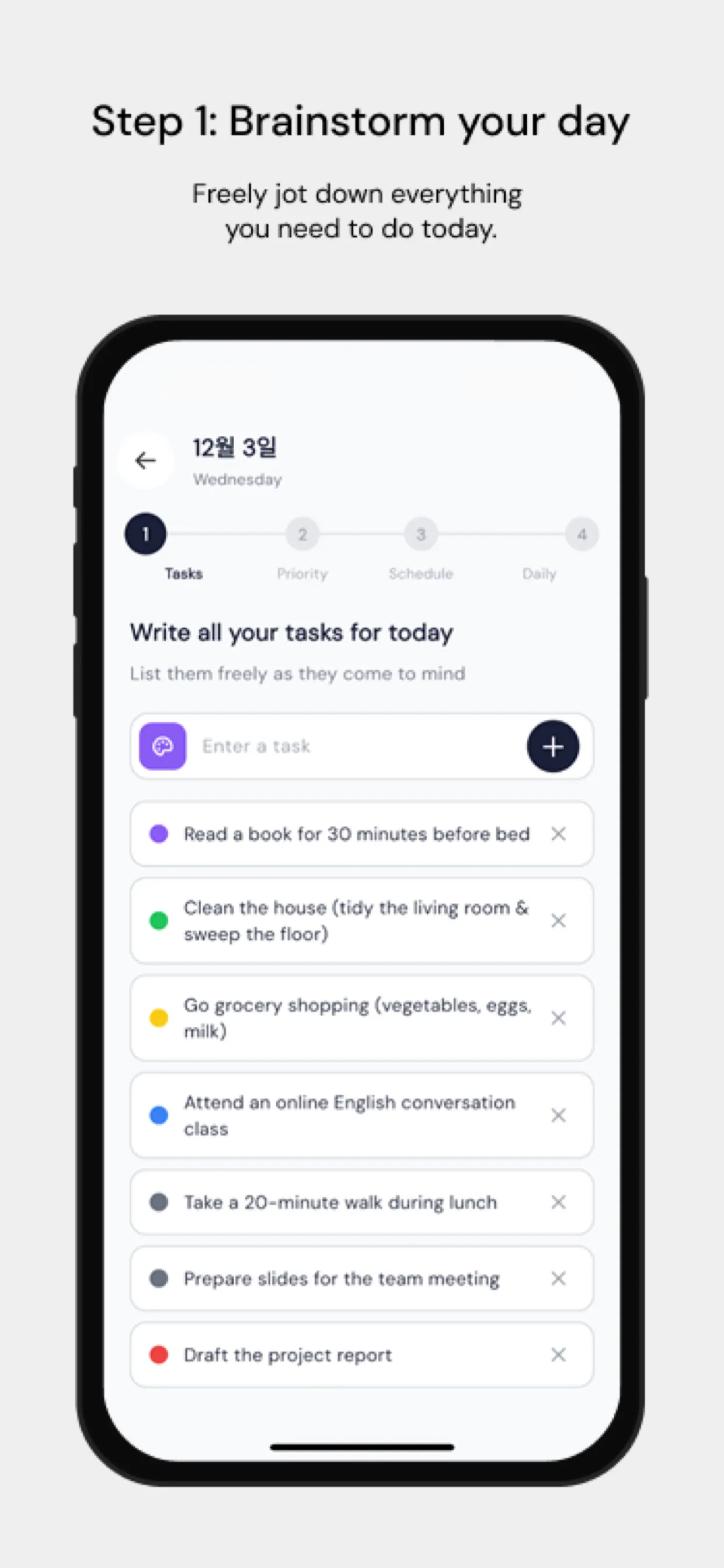
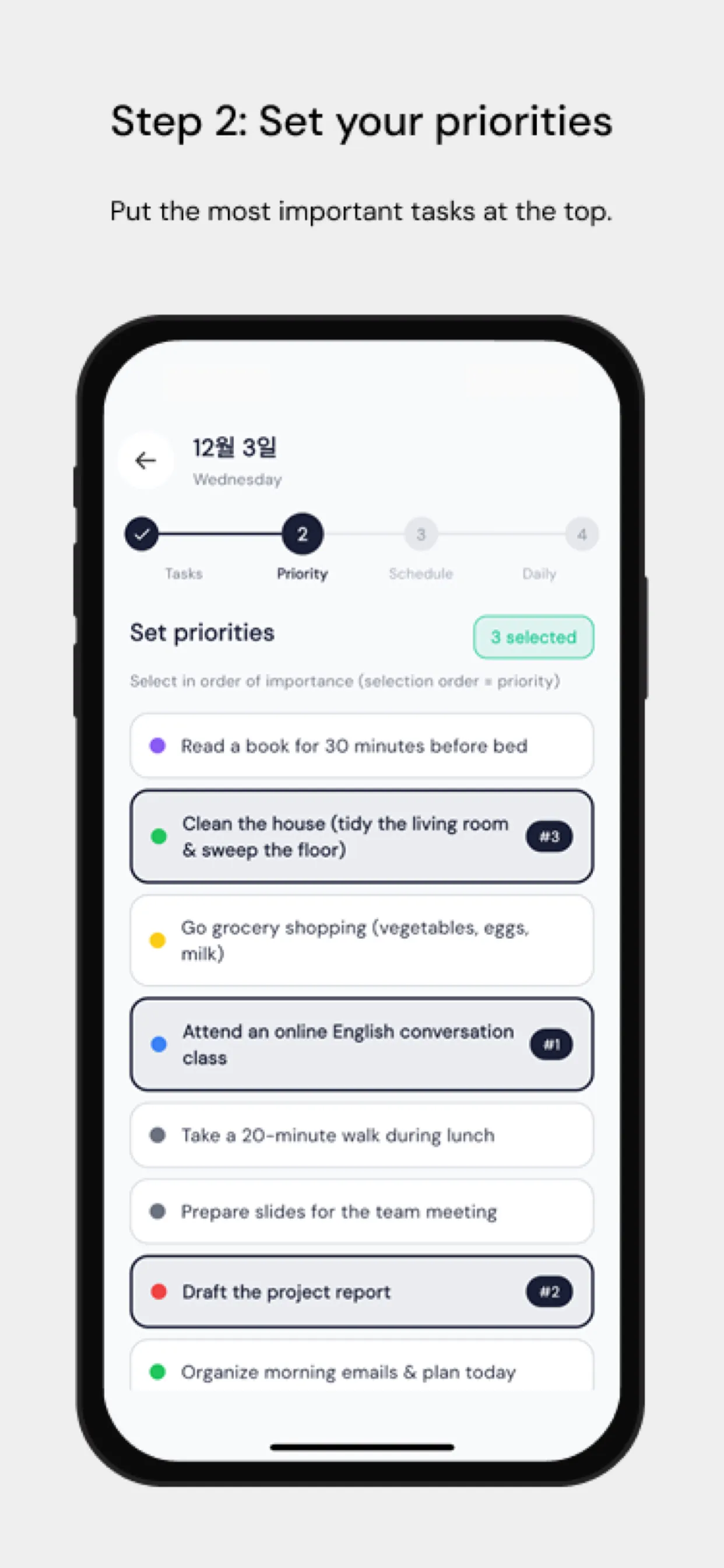
Chrobox's design directly counters the most common pitfalls:
- Smart estimation suggests realistic durations based on past data
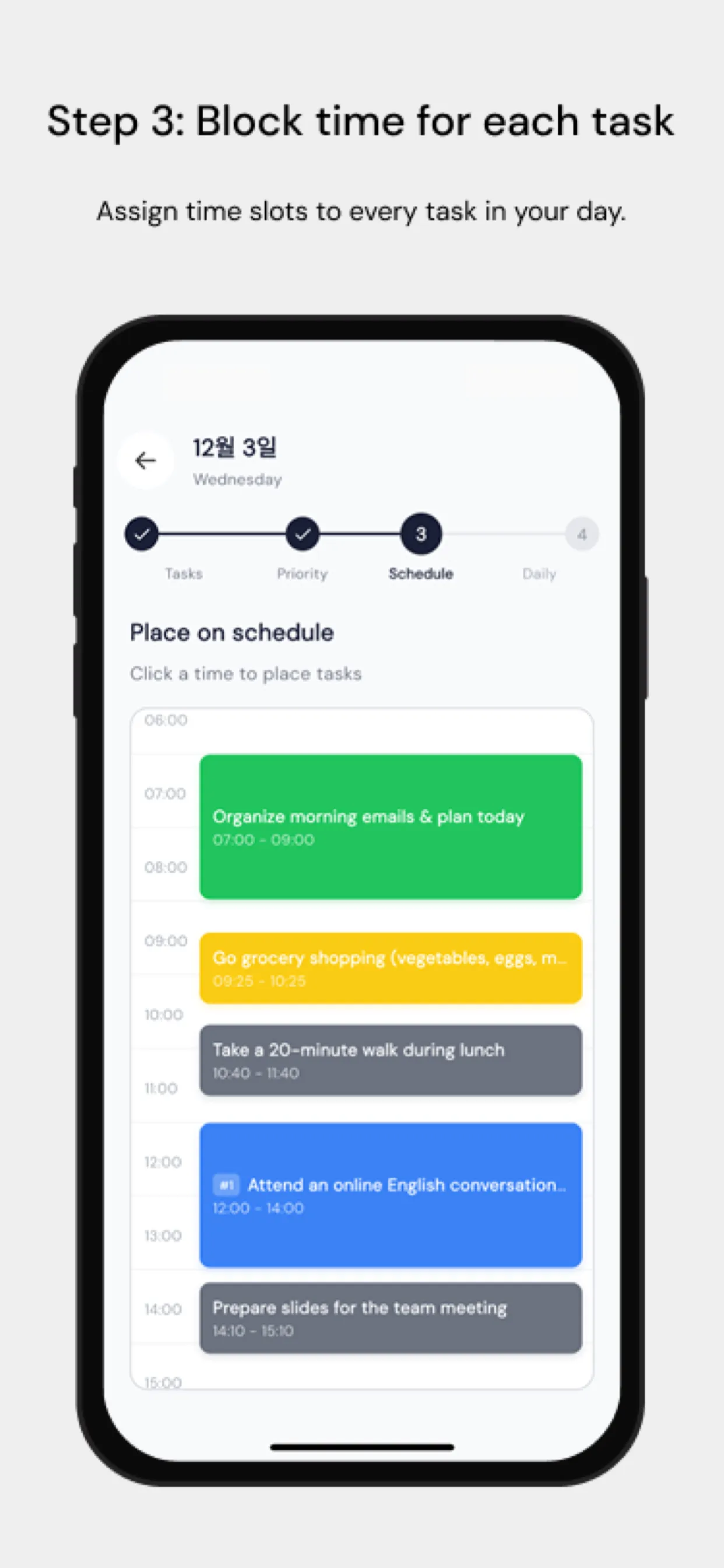
- Auto buffer insertion adds breathing room between boxes
- Daily retrospective prompts turn data into improvement
- Distraction parking lot built into every box
Conclusion
Time-boxing fails for predictable reasons, and each one has a known fix. Audit your routine against this list, fix the top three issues, and your sticking rate will jump from 30% to 80%.
Start fresh tomorrow — pick one mistake to fix and try again with Chrobox's free trial.