Why Time-Boxing Is the Best First Productivity Technique
The productivity landscape is overwhelming for beginners. GTD, Pomodoro, Eisenhower Matrix, Eat the Frog, Deep Work — where do you start? The answer is time-boxing, because it is the foundation that makes every other technique work better.
Time-boxing requires no personality change, no complex system to maintain, and no significant upfront investment of time. You start seeing results in days, not months.
Understanding the Core Principle
Time-boxing has one fundamental insight: tasks will consume however much time you give them. Give a task an open-ended slot ("work on the report until it's done") and it will expand. Give it a fixed slot ("45 minutes on the report, then stop") and Parkinson's Law works in your favor — you produce something concrete within the constraint.
Your First Week: A Step-by-Step Plan
Day 1-2: Observe. Before changing anything, track how you currently spend time for two days. Note the start and end time of each activity. This baseline reveals where time actually goes versus where you think it goes.
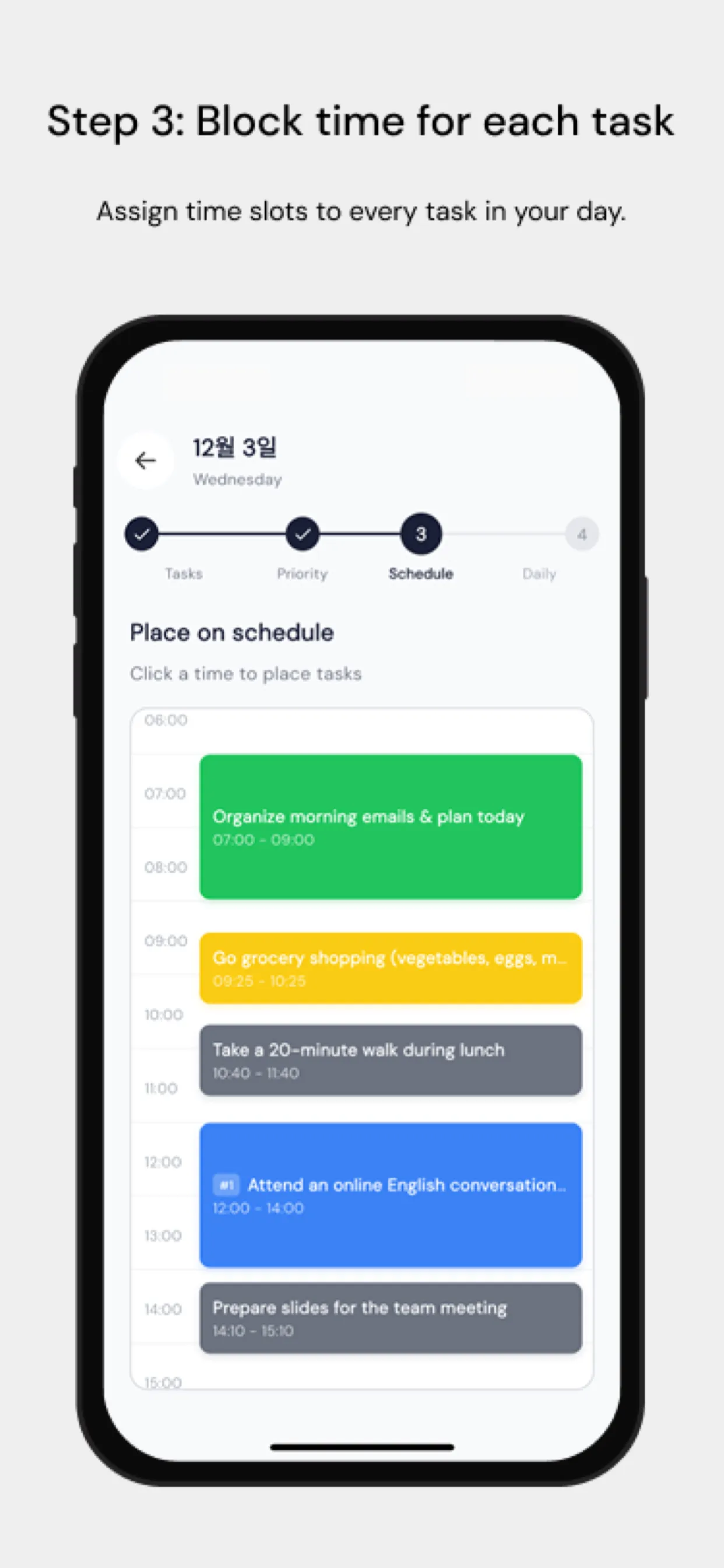
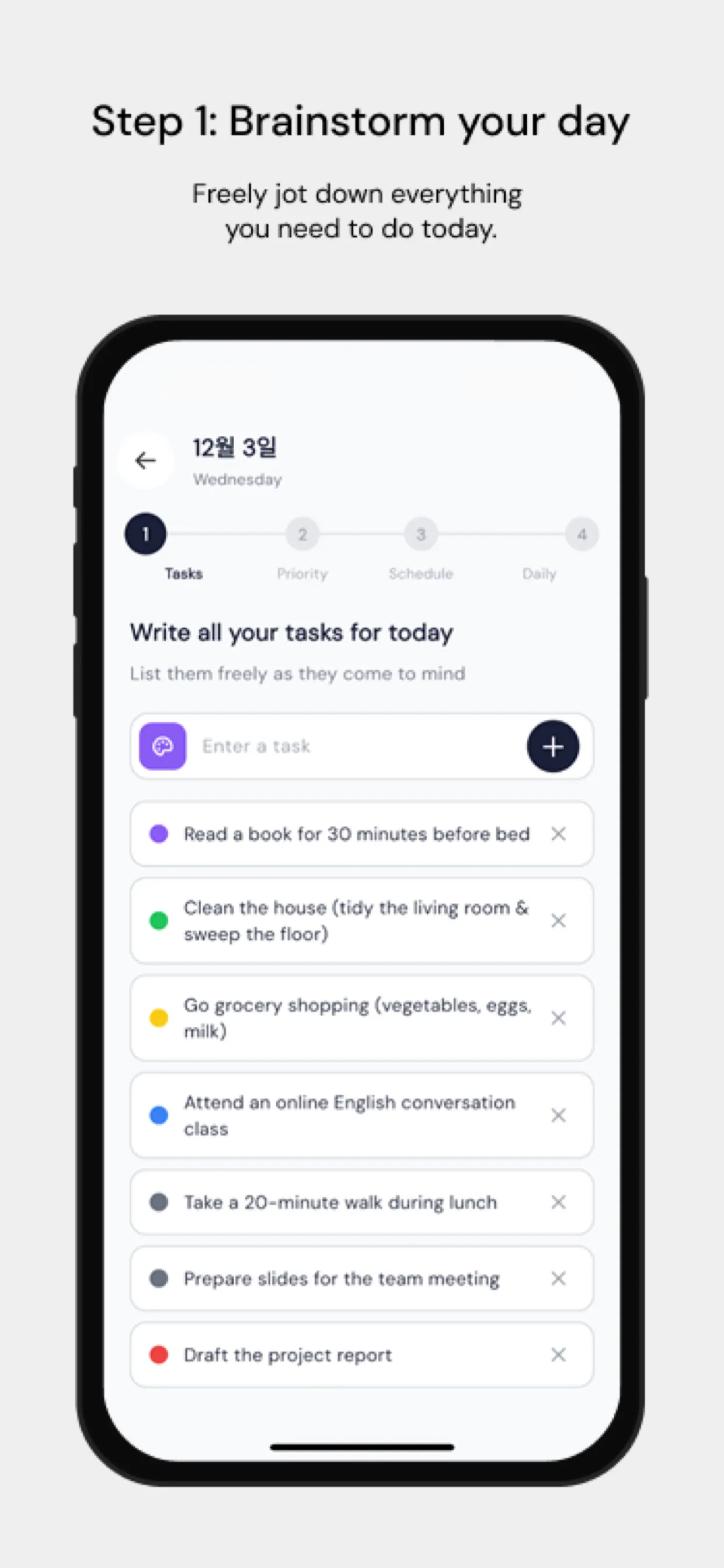
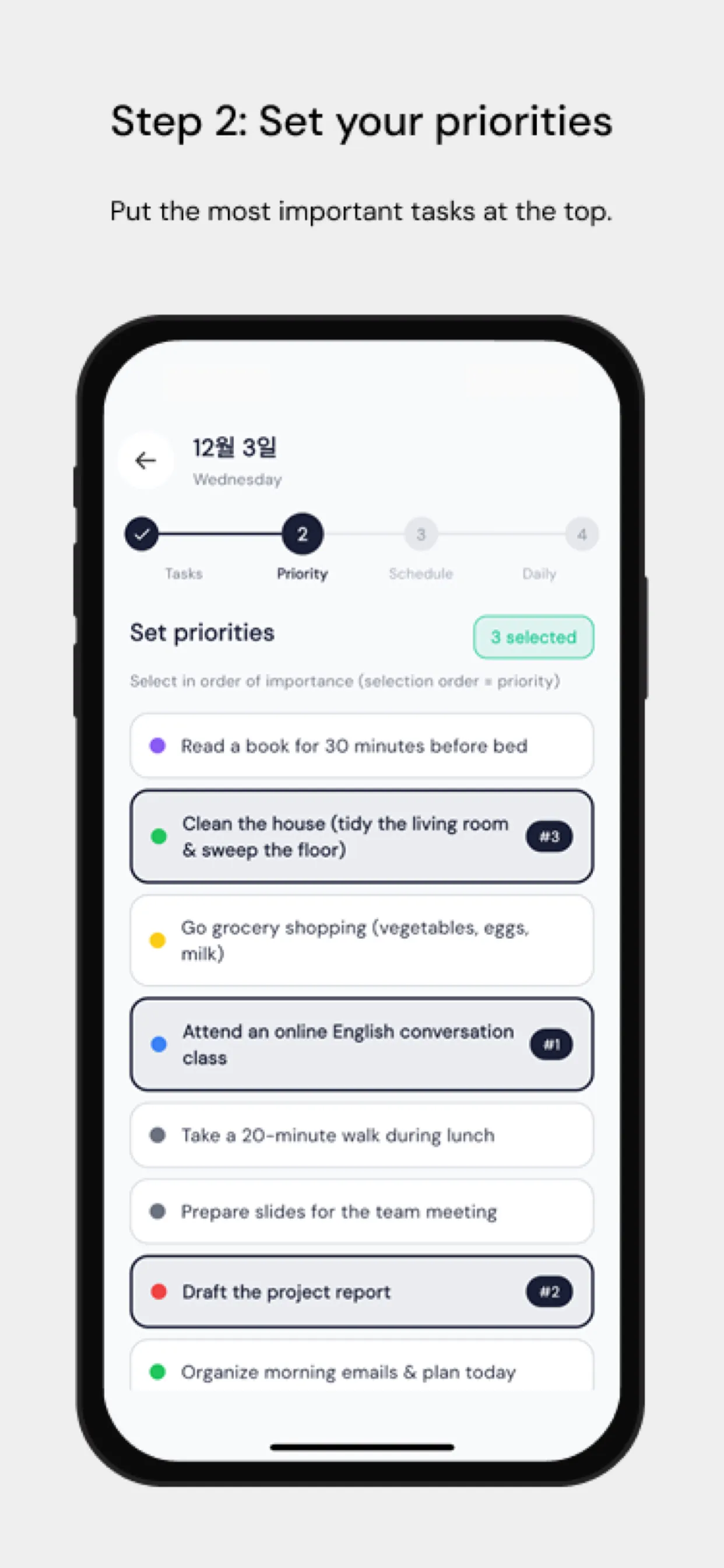
Day 3-4: Plan. At the start of each day, write down your 3-5 most important tasks and assign each a time estimate. Start conservatively — add 50% to whatever you think a task will take.
Day 5-7: Execute and adjust. Follow your time boxes and record actual time spent. Compare estimate versus actual. Most beginners discover they underestimate by 30-50%. This data is gold.
The Four Essential Time Box Types
- Deep Work Blocks (60-90 min): For complex, creative, or cognitively demanding tasks. No interruptions.
- Admin Blocks (20-30 min): For email, messages, administrative tasks. Batch these together.
- Meeting Blocks: For calls and meetings. Always time-box meeting preparation separately.
- Buffer Blocks (15-30 min): Unscheduled time between major blocks. Essential for unexpected issues.
Common Beginner Adjustments
Your boxes are too long. If you consistently cannot maintain focus for the duration of your boxes, shorten them. A 25-minute box you complete beats a 90-minute box you abandon.
You're scheduling too much. Fill no more than 60-70% of your available time with planned boxes. The rest is buffer. This sounds counterintuitive, but it produces better outcomes than 100% scheduling.
You're skipping the review. At the end of each day, spend 5 minutes reviewing what you completed versus what you planned. This single habit, more than any other, drives rapid improvement.
Getting Started with Chrobox
Chrobox is designed specifically for time-boxing beginners and experts alike. The app guides you through creating your first time boxes, tracks your actual time automatically, and provides weekly insights about your patterns. Available on iOS and macOS with real-time sync, so your plan is always with you.
Start with three time boxes tomorrow: one for your most important task, one for email, and one buffer. That's it. Build from there.