The Remote Work Scheduling Challenge
Working from home offers freedom, but that freedom comes with a cost: the blurring of boundaries. Without the physical separation of office and home, work creeps into evenings, weekends, and mental downtime. Time-boxing provides the structure that the office used to impose.
Why Traditional Scheduling Fails Remote Workers
Traditional to-do lists fail remote workers for three reasons:
- No time anchors – Tasks without scheduled times float indefinitely
- No ending signal – Without a commute home, it's hard to "leave" work
- Infinite interruptions – Home environments generate constant context-switching
Time-boxing solves all three by creating a structured, time-bound commitment to each task.
The Remote Worker's Time-Boxing Schedule
Morning Deep Work Block (9:00-10:30 AM)
Protect your first 90 minutes of work for your highest-priority, cognitively demanding task. No email, no Slack, no meetings. This single habit produces more output than anything else.
Mid-Morning: Collaboration Block (10:30 AM-12:00 PM)
Time-box your communications and collaborative work. Respond to messages, join calls, and review others' work. Having a defined window prevents email from bleeding into the whole day.
Lunch Break: True Disconnection (12:00-1:00 PM)
Time-box your lunch break and treat it as non-negotiable. Step away from screens. This break recharges your afternoon focus.
Afternoon: Secondary Deep Work or Administrative Tasks (1:00-3:00 PM)
Most people have lower energy in the early afternoon. Schedule creative but less demanding work here, or administrative tasks that require attention but not peak cognitive load.
Wind-Down Block (3:00-4:00 PM)
Time-box your end-of-day routine: review what you accomplished, update your task list, and plan tomorrow's time boxes. This ritual creates a clear psychological transition from work to personal time.
Managing Interruptions at Home
Communication with Household Members
Clearly communicate your time-boxing schedule to people you live with. When you're in a time box, treat it like a meeting—don't interrupt it.
Digital Interruptions
Use do-not-disturb modes during deep work time boxes. Batch your notification checks into dedicated time boxes rather than responding reactively throughout the day.
Using Chrobox for Remote Work
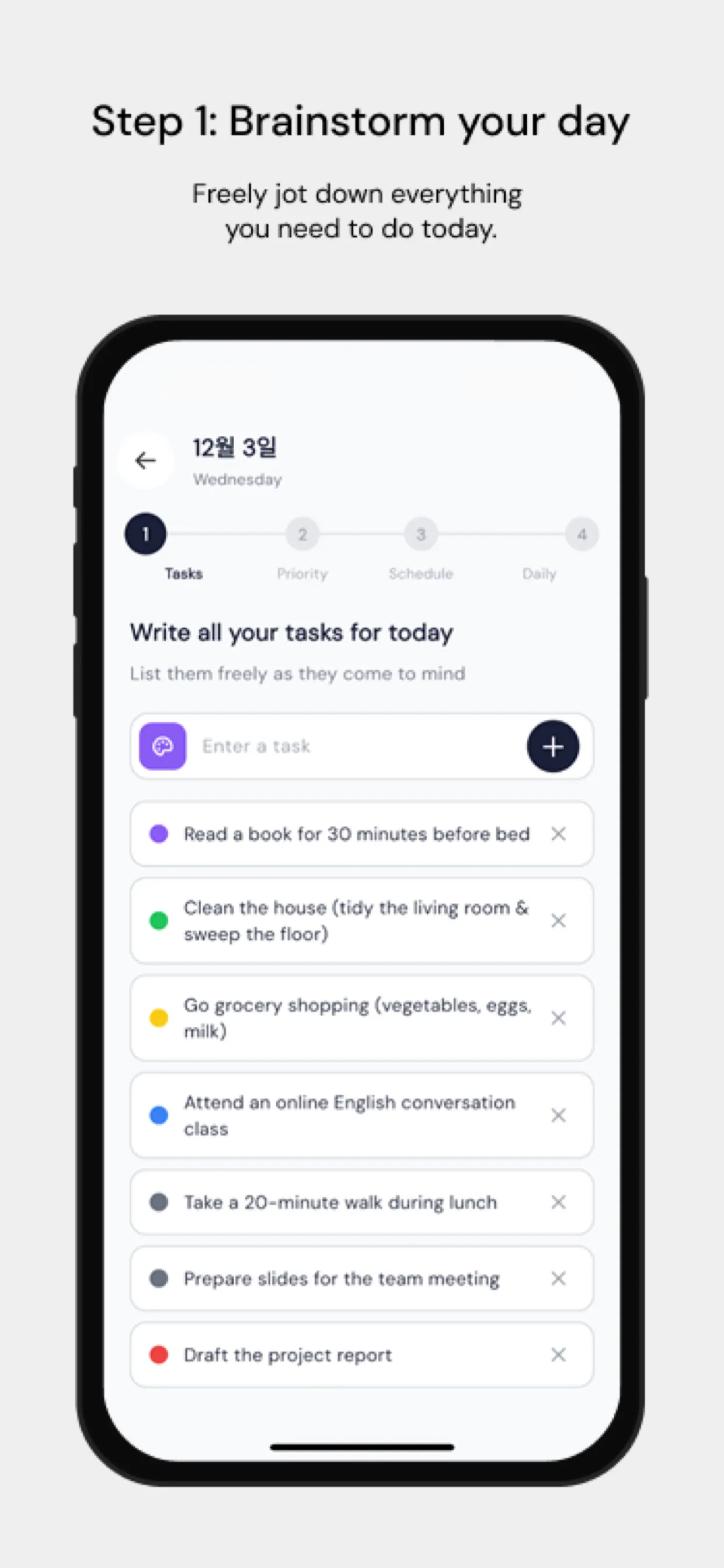
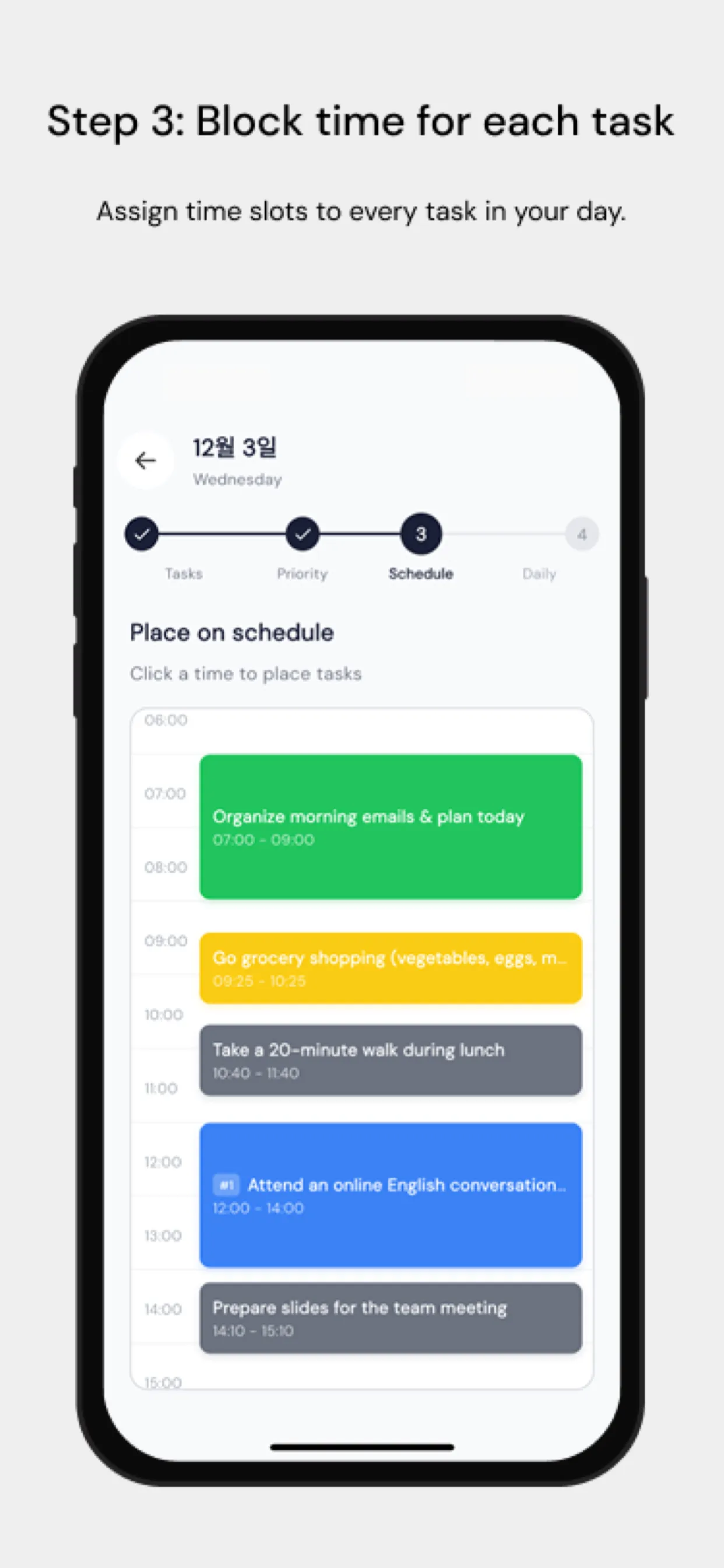
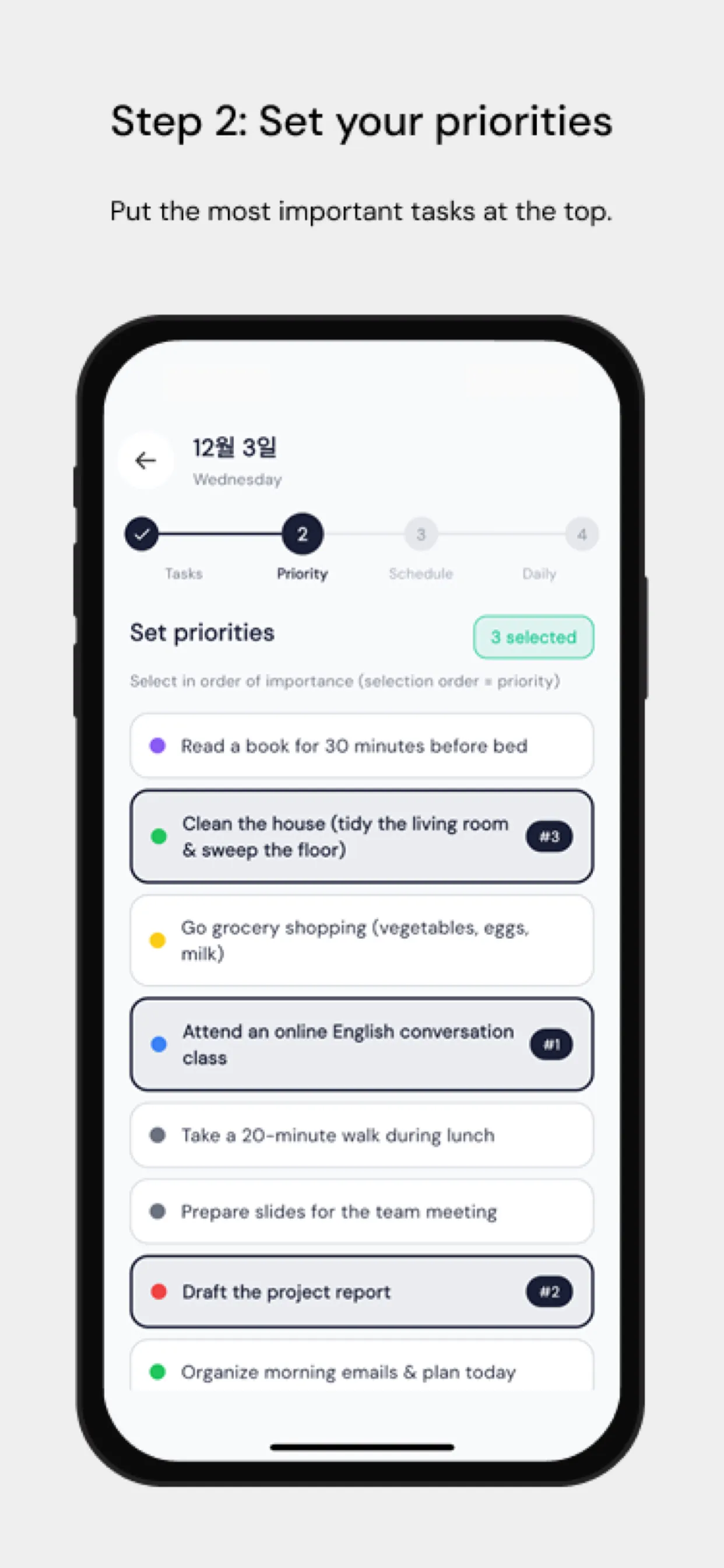
Chrobox is particularly valuable for remote workers because it externalizes your schedule, creating accountability even without a manager or office environment. The app's clear visual blocks make it easy to see when you're on track and when you've drifted.
Set Chrobox reminders to signal the start and end of each time box. These auditory cues replace the social cues that offices provide—seeing colleagues pack up, hearing the office quiet down.
The Shutdown Ritual: Your Most Important Time Box
The most powerful time box for remote workers isn't about work—it's the shutdown ritual. At the end of each workday, set a 15-minute time box:
- Review completed tasks
- Update tomorrow's plan in Chrobox
- Close all work applications
- Write one sentence summarizing what you accomplished
When the time box ends, your workday is done. This ritual trains your brain to associate the ritual's end with leaving work—providing the psychological boundary that a commute once created.
Measuring Your Remote Work Effectiveness
Track these weekly metrics using Chrobox's analytics:
- Percentage of time boxes completed as planned
- Average overrun per time box
- Time spent in deep work vs. reactive work
- Consistency of shutdown time
Improving these numbers over 4-6 weeks reveals your productivity patterns and helps you build a remote work schedule that's both productive and sustainable.