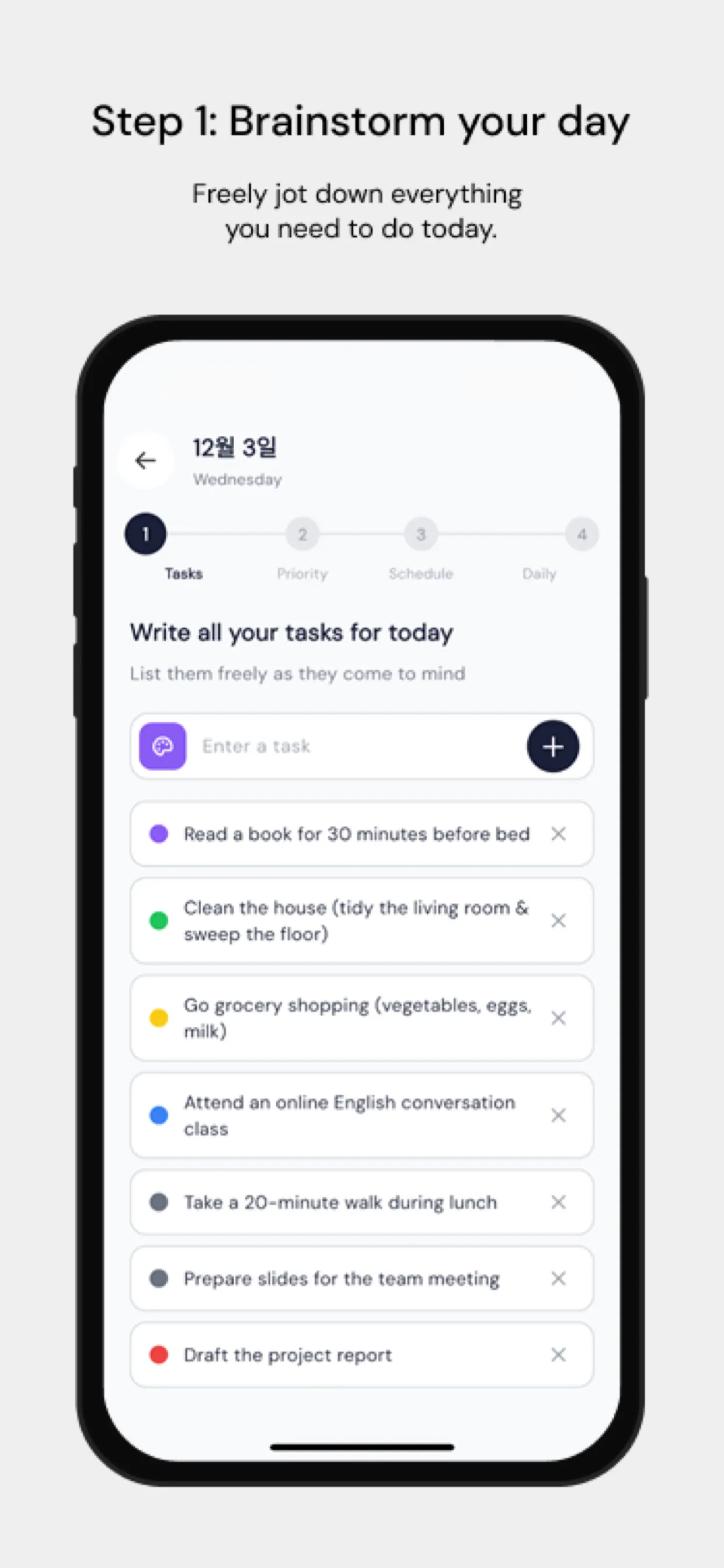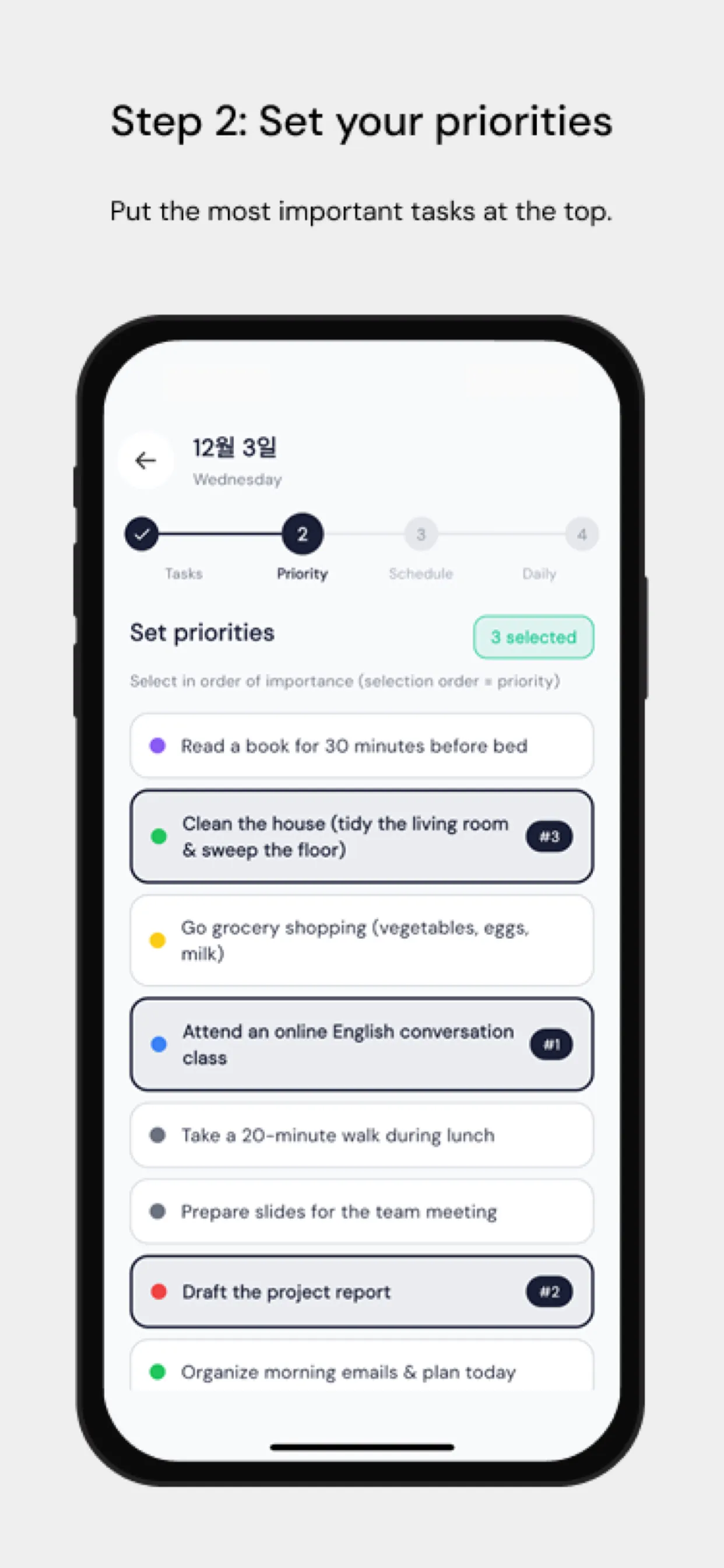
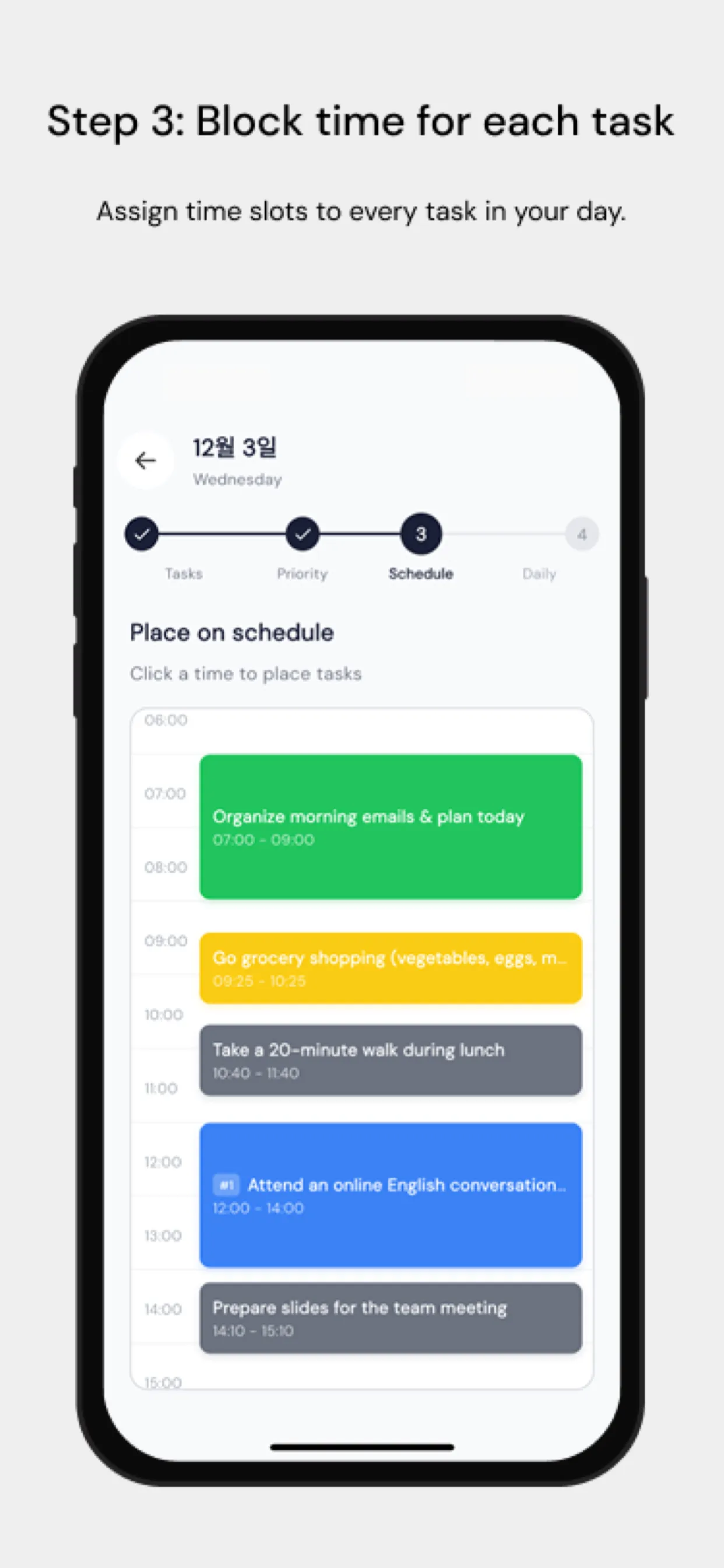
Why Weekly Planning Changes Everything
Most people plan their days reactively—responding to emails, attending meetings, and tackling whatever feels most urgent. This approach leads to busy days that don't move the needle on what truly matters. Weekly planning with time-boxing flips this script.
The Weekly Planning Framework
Step 1: The Weekly Review (Sunday Evening, 20 minutes)
Before planning next week, review what happened last week:
- Which time boxes did you complete as planned?
- Which tasks consistently ran over time?
- What unexpected tasks consumed your schedule?
- What did you not get to that you should prioritize next week?
This honest assessment makes next week's plan more realistic.
Step 2: Identify Your Weekly Priorities (10 minutes)
Write down your top 3 priorities for the coming week. These are the outcomes that would make the week a success even if everything else goes sideways. Every major time box should connect to at least one priority.
Step 3: Block Your Non-Negotiables First
Before scheduling anything else, add your fixed commitments:
- Recurring meetings and calls
- Exercise and health routines
- Family and personal commitments
These are your anchors. Build around them.
Step 4: Schedule Deep Work Blocks
Your most important, cognitively demanding work belongs in your peak energy hours. For most people, this is mid-morning (9-11 AM). Block 90-minute time boxes for deep work before scheduling anything else in those windows.
Step 5: Fill in Supporting Tasks
After deep work blocks, schedule supporting tasks—email, administrative work, shorter meetings, and routine tasks. These naturally fit in your lower-energy afternoon hours.
Step 6: Build in Buffer Time
Leave at least 20% of your schedule as buffer. Unexpected tasks will arise. Buffer blocks give you flexibility without derailing your whole day.
Using Chrobox for Weekly Planning
Chrobox makes weekly planning visual and intuitive. The weekly view shows all your time blocks at a glance, making it easy to spot gaps, identify overloaded days, and drag-and-drop blocks when priorities shift.
Common Weekly Planning Mistakes
- Over-scheduling – Leave white space. Packed days are fragile days.
- Ignoring energy levels – Match task type to your natural energy curve.
- No review ritual – Planning without reviewing is guessing.
- Treating all tasks equally – Not all tasks deserve the same time box length.
Making It a Habit
The first weekly planning session feels awkward. By the third or fourth week, it becomes the most valuable 45 minutes of your week. Start with just Sunday evening reviews and Monday morning planning. Build from there.