The Creative Professional's Dilemma
Creative professionals face a unique tension. Their work requires both disciplined execution and open-ended exploration. Too much structure, they fear, will squeeze out the spontaneous insights that make creative work valuable. Too little structure, and the day disappears into distraction, procrastination, and reactive tasks.
The resolution to this dilemma is not choosing between structure and freedom. It is designing a schedule that provides dedicated time for both, with clear boundaries between each mode.
What the Research Actually Shows
Psychological research on creativity consistently finds that moderate constraints enhance creative performance rather than limiting it. This phenomenon, known as "creative constraint," occurs because limitations force the brain to explore solutions it would otherwise skip when the solution space is infinite.
Patricia Stokes's research on artists including Monet and Picasso found that their most innovative periods coincided with self-imposed constraints, not freedom from them. Monet's series paintings, for example, emerged from his decision to paint the same subject under different conditions, a constraint that forced previously unexplored solutions.
Designing Your Creative Time-Boxing System
The key principle is to distinguish between generative time and productive time. Generative time is for creating new material: writing first drafts, sketching concepts, brainstorming, and ideating. Productive time is for refining, editing, executing, and delivering.
Schedule your generative blocks when your mental energy is highest, typically in the morning. Reserve productive blocks for lower energy periods. Use longer blocks (60-90 minutes) for generative work where sustained flow is valuable, and shorter blocks (25-45 minutes) for productive tasks that have clear endpoints.
Critically, include at least one unstructured exploration block each week with no deliverable attached. This is time for reading, wandering, observing, or simply thinking without an agenda. This block feeds your creative reserves rather than depleting them.
Protecting Deep Creative Work
Schedule your creative blocks early and mark them as non-negotiable. Communicate to clients and colleagues that these hours are unavailable. The pushback is usually minimal when you frame it as a reliability investment: you deliver better work when you protect your creative hours.
Turn off all notifications during creative blocks. Research from the University of California Irvine found that it takes an average of 23 minutes to return to full focus after an interruption. A single notification does not cost you one second; it costs you 23 minutes.
Handling Inspiration That Arrives at the Wrong Time
Creative ideas do not follow schedules. When inspiration strikes during an administrative block or a meeting, capture it immediately in a frictionless system. A voice memo, a single line in a dedicated note, or a quick Chrobox task with the idea as the title all work well. The key is to capture without acting, preserving both the idea and your current block's focus.
Review your capture list at the start of each creative block. Often the ideas that survive until your next creative session are the genuinely good ones, while impulses that seemed urgent in the moment fade on reflection.
Using Chrobox for Creative Project Management
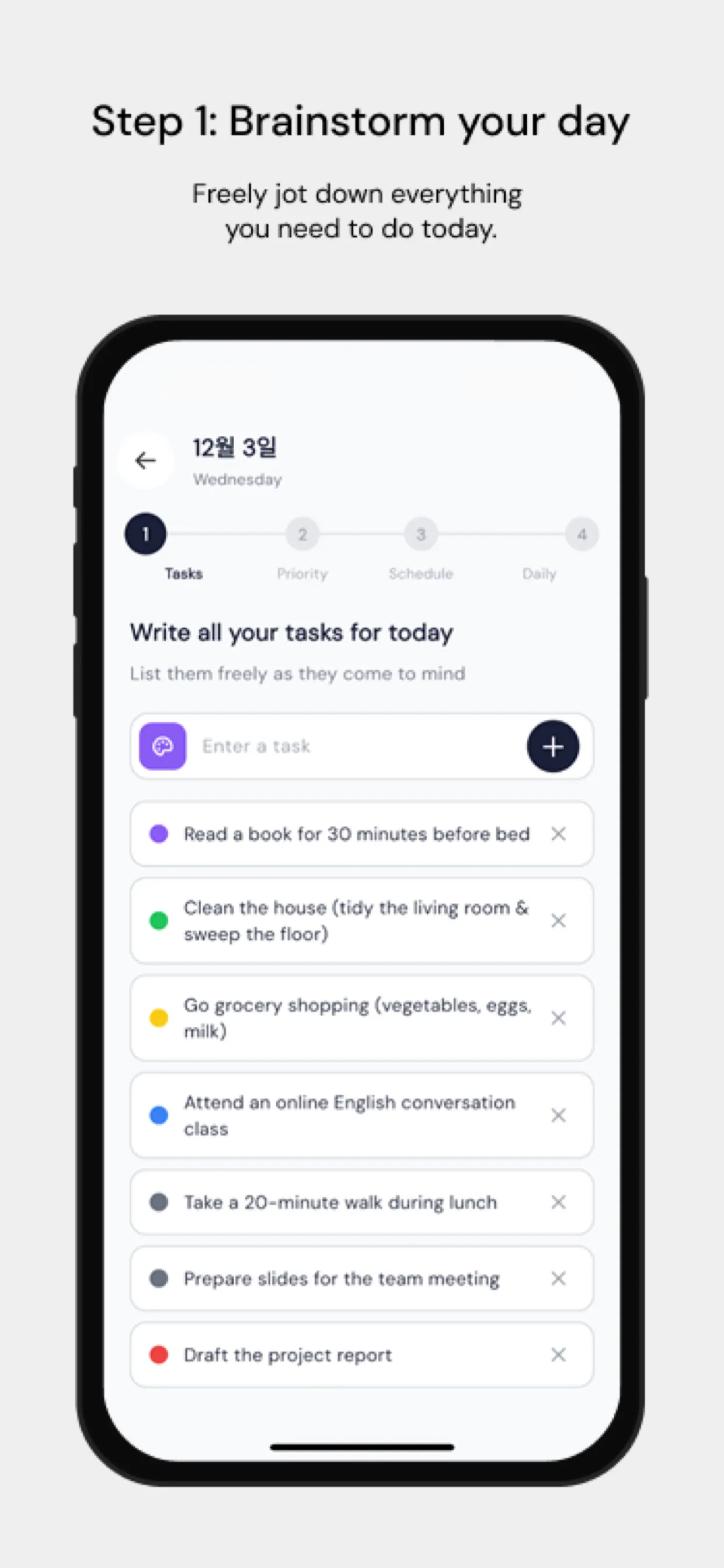
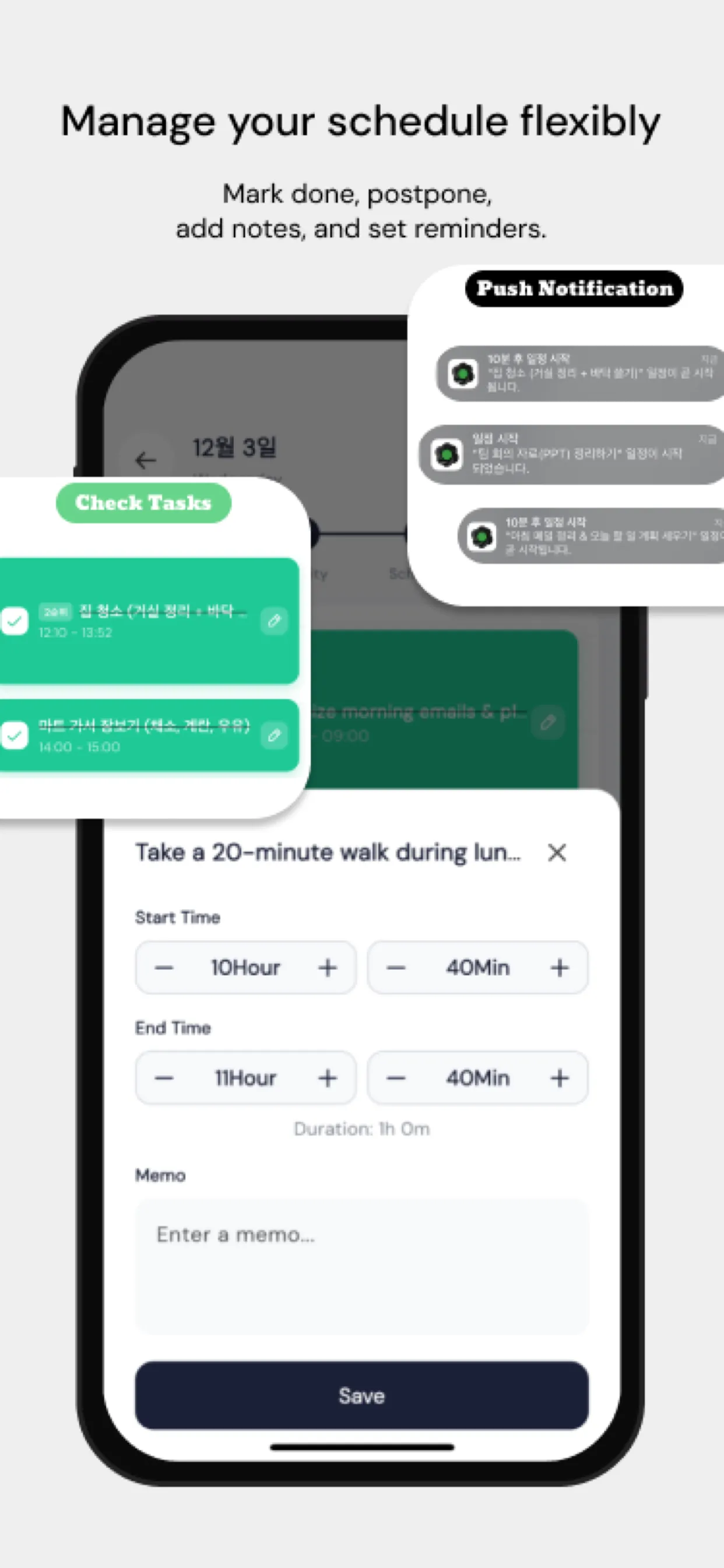
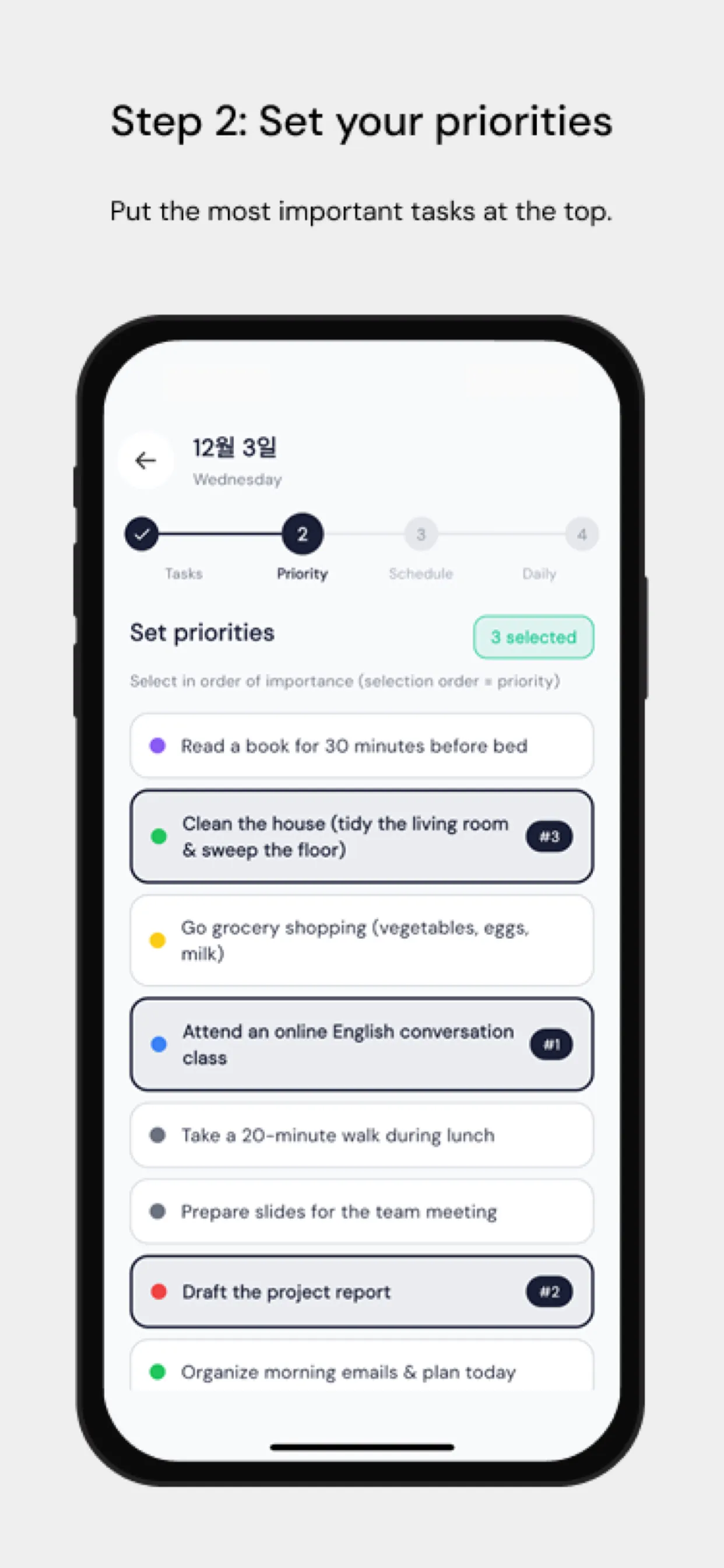
Chrobox supports creative workflows by letting you create project-level groupings of time blocks. A design project might have blocks for research, concept development, execution, and client review, each with different durations. Chrobox schedules these across your calendar based on deadlines and your available capacity, giving you a complete view of when creative work will happen without requiring you to manually plan each session.
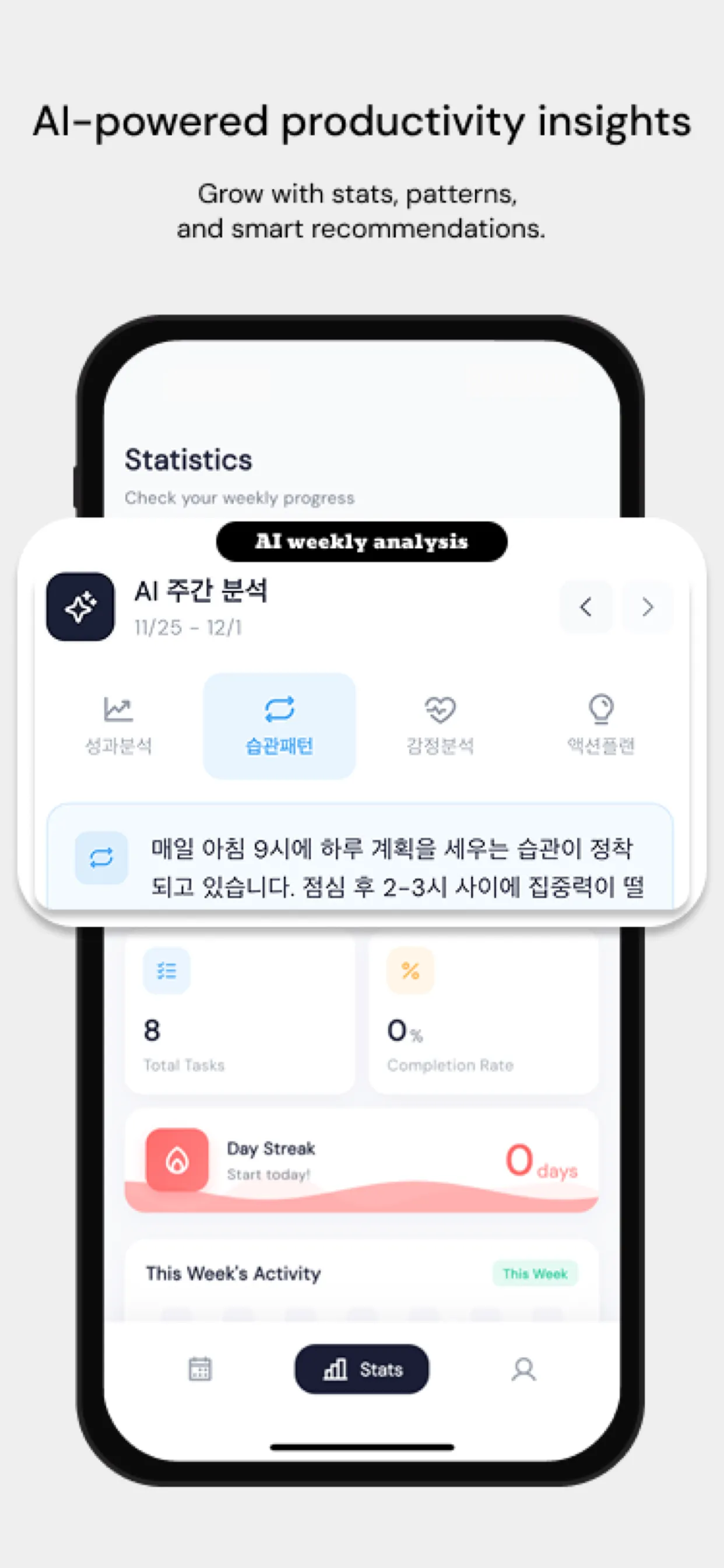
The platform also tracks which blocks you extend, helping you understand which creative tasks you consistently underestimate, so you can build more realistic schedules for future projects.