The Hidden Cost of Unproductive Meetings
The average knowledge worker attends 62 meetings per month, yet studies show that over 35% of meeting time is considered unproductive. That adds up to roughly 31 hours wasted every month — nearly an entire work week. Time-boxing is the single most effective intervention for reclaiming that time.
What Makes Meetings Go Wrong
Most meetings fail for predictable reasons: no clear agenda, no time limits, the wrong people in the room, and no accountability for outcomes. Time-boxing directly addresses the first two problems and creates the conditions for solving the other two.
Without a time constraint, conversations expand to fill whatever space is available — this is Parkinson's Law at work. Introducing a firm end time forces prioritization and keeps discussions on track.
How to Time-Box Your Meetings
1. Set the meeting duration before you send the invite. Default calendar slots are 30 or 60 minutes, but your meeting might only need 20. Be deliberate.
2. Create a timed agenda. Divide the total meeting time among agenda items before the meeting starts. For a 30-minute meeting with three topics, allocate 10 minutes each — and communicate this to participants in advance.
3. Assign a timekeeper. One participant is responsible for tracking time per agenda item and giving a 2-minute warning before each slot closes.
4. Use a shared visible timer. When everyone can see the clock counting down, the group self-regulates more effectively than any facilitator can achieve alone.
5. Define the outcome for each agenda item. Before the meeting, label each item as: Decision, Information Share, or Discussion. This sets participant expectations and speeds resolution.
The 48-Hour Rule for Async Follow-Up
When agenda items run over or raise new questions, resist the temptation to extend the meeting. Instead, route unresolved items to async channels (email, Slack, project management tools) with a 48-hour response window. This respects everyone's time while ensuring issues don't fall through the cracks.
Using Chrobox to Prepare for Meetings
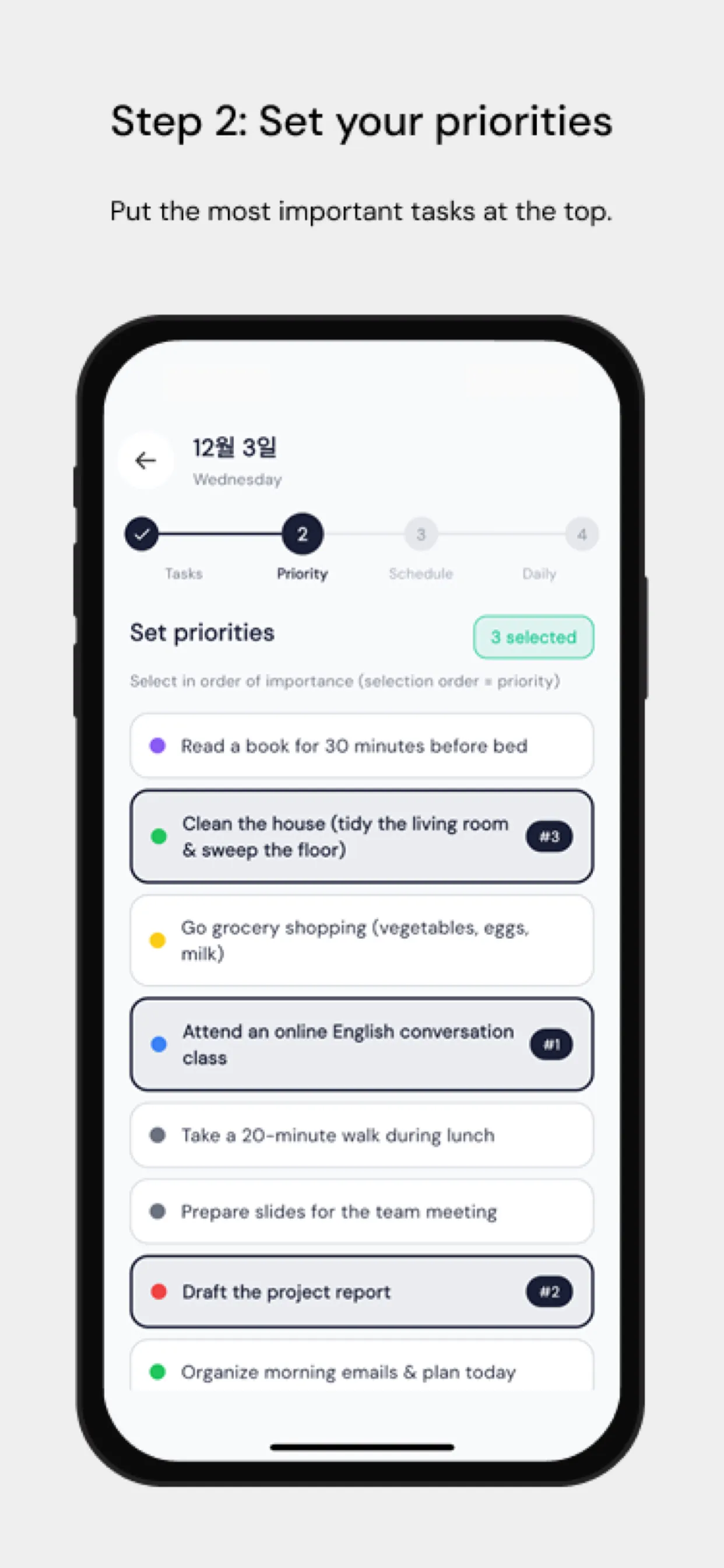
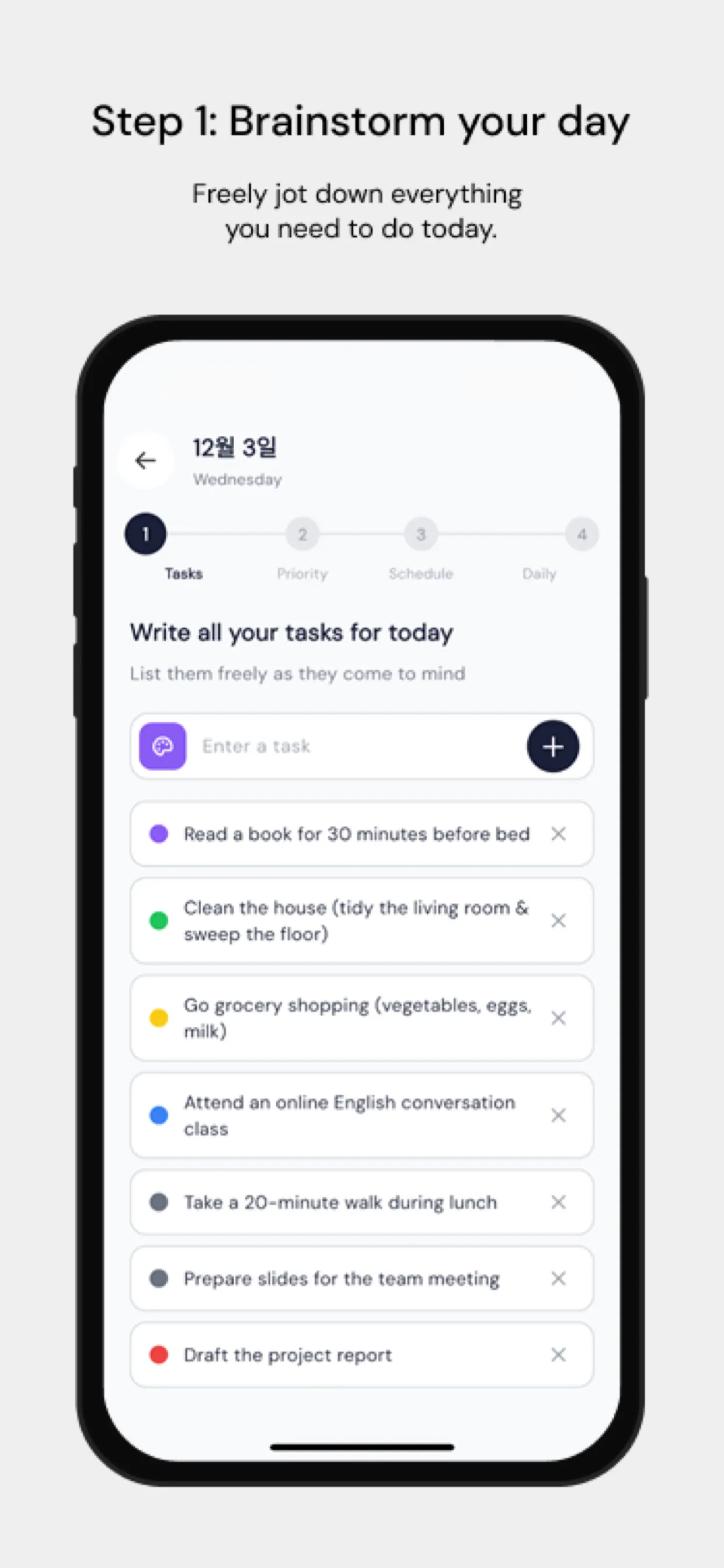
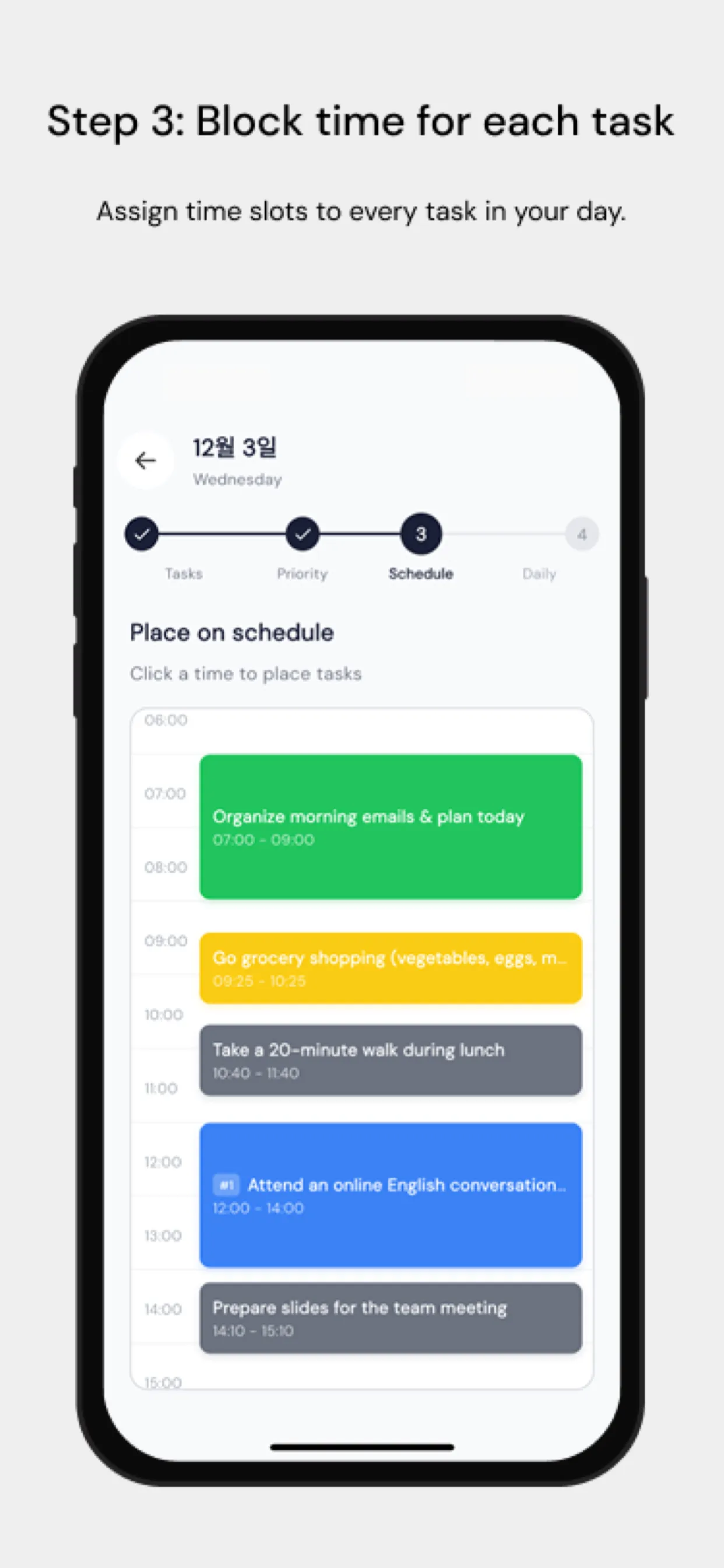
Before each meeting, use Chrobox to time-box your preparation: 15 minutes to review materials, 5 minutes to write your talking points. After the meeting, time-box your follow-up actions immediately — studies show task completion rates drop by 40% when follow-up is delayed by more than an hour.
The Compound Effect of Better Meetings
Teams that implement structured time-boxing in meetings typically report:
- 25-40% reduction in meeting duration
- Higher decision quality due to forced prioritization
- Lower frustration and improved morale
- More calendar space for deep, focused work
Start with your next recurring meeting. Apply a timed agenda, designate a timekeeper, and measure the difference after four weeks.