Time-Boxing for Side Projects: How to Ship Without Burning Out
You have a brilliant side project idea. You start nights and weekends. Three months in, you have shipped nothing, your sleep is wrecked, and your day job is suffering.
This is the default trajectory for 90% of side projects. The 10% that ship — books, apps, businesses, podcasts — share one thing: they ran on a strict time-boxing system, not bursts of motivation.
Why Most Side Projects Die
Side projects fail not from lack of skill or ambition. They fail from three predictable patterns:
- Inconsistent rhythm — 12 hours one weekend, then nothing for a month
- Burnout cascade — overworking until your day job revolts, then quitting both
- Scope explosion — adding features instead of shipping the core idea
Time-boxing fixes all three.
The Sustainable Side-Project Formula
Pick a Sustainable Weekly Cap
Most people overestimate their available energy. Honest math:
- Day job: 40-50 hours
- Sleep: 56 hours
- Family/relationships: 15-20 hours
- Eating, commuting, errands: 20 hours
- Personal recovery: 10-15 hours
That leaves 6-15 hours for side projects, MAX. Anything beyond that pulls from sleep or relationships, both of which collapse within months.
Target: 6-10 hours weekly. This is the sweet spot for sustained 12+ month progress.
Schedule 2-3 Fixed Time-Boxes Weekly
Vague intentions ("I will work on it when I have time") guarantee failure. Pick specific weekly slots:
Example: 8-hour weekly schedule
- Tuesday 6:00-7:30 AM (90 min)
- Thursday 6:00-7:30 AM (90 min)
- Saturday 8:00-11:00 AM (180 min)
- Sunday 8:00-9:30 AM (90 min)
Lock these in your calendar. Treat them as immovable as a doctor's appointment.
Protect Your Peak Energy Window
Most people try to side-project after the day job. By 8 PM, your willpower and creativity are depleted. You spend the slot scrolling, then feel guilty.
The fix: pre-day-job time wins for most makers. 5:30-7:30 AM is high-leverage:
- Cognitive energy is fresh
- Zero interruptions (no one is messaging you)
- You build momentum BEFORE work drains you
- The dopamine of progress carries into your day job
If mornings are impossible, protect 60-90 minutes immediately after dinner — before fatigue arrives, not at 11 PM.
The "Ship Tiny, Ship Weekly" Rule
Set a single weekly milestone you can complete in your time-box budget:
- Bad goal: "Build the entire app this month"
- Good goal: "Ship the login page by Sunday"
Tiny milestones compound. 52 small ships in a year = a real product. One "big launch" that never arrives = nothing.
Combat Scope Creep
Mid-project, you will get a flash of inspiration: "What if I also added X?"
Rule: capture, do not chase. Write the new idea in a backlog file. Continue shipping the current week's milestone. Review the backlog only at month boundaries — most ideas die naturally without urgency.
Public Accountability Doubles Completion
Solo side projects fail at 80% rates. Side projects with public accountability fail at 40%. The mechanism is simple: humans hate looking inconsistent in public.
Choose ONE accountability lever:
- Build in public thread on X or LinkedIn (weekly progress updates)
- Accountability partner (15-min weekly call comparing notes)
- Public deadline ("I will launch by June 30")
- Pre-orders or signups (forces shipping)
What to Do When You Miss a Time-Box
You will miss boxes. Sick kid, work crisis, exhaustion. Do not catastrophize.
The 24-hour rule: Reschedule a missed box within 24 hours. Skip more than that and momentum dies.
Never "make up" lost hours by binge sessions. Six hours on Sunday after missing Tuesday and Thursday will burn you out by week three. Stick to your weekly cap.
Time-Boxing Side Projects with Chrobox
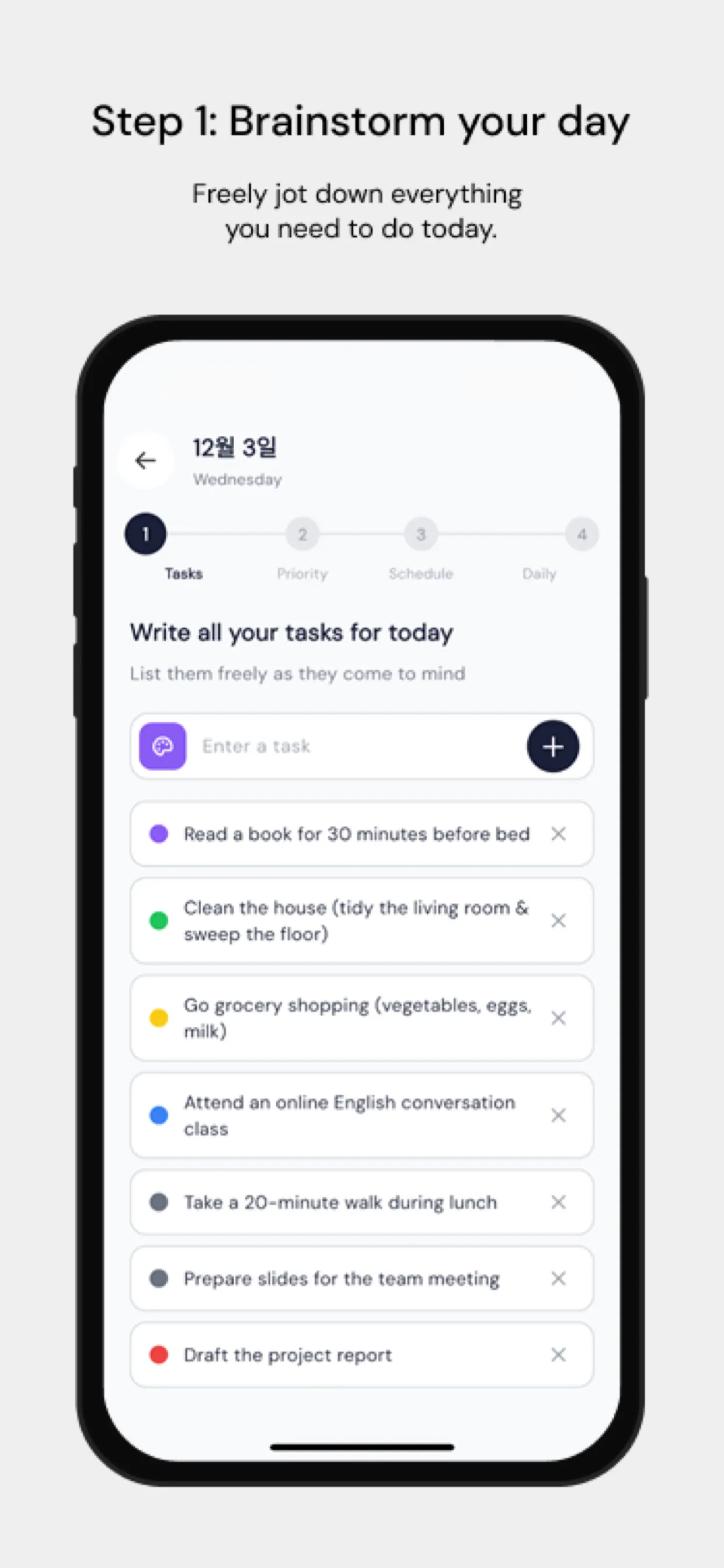
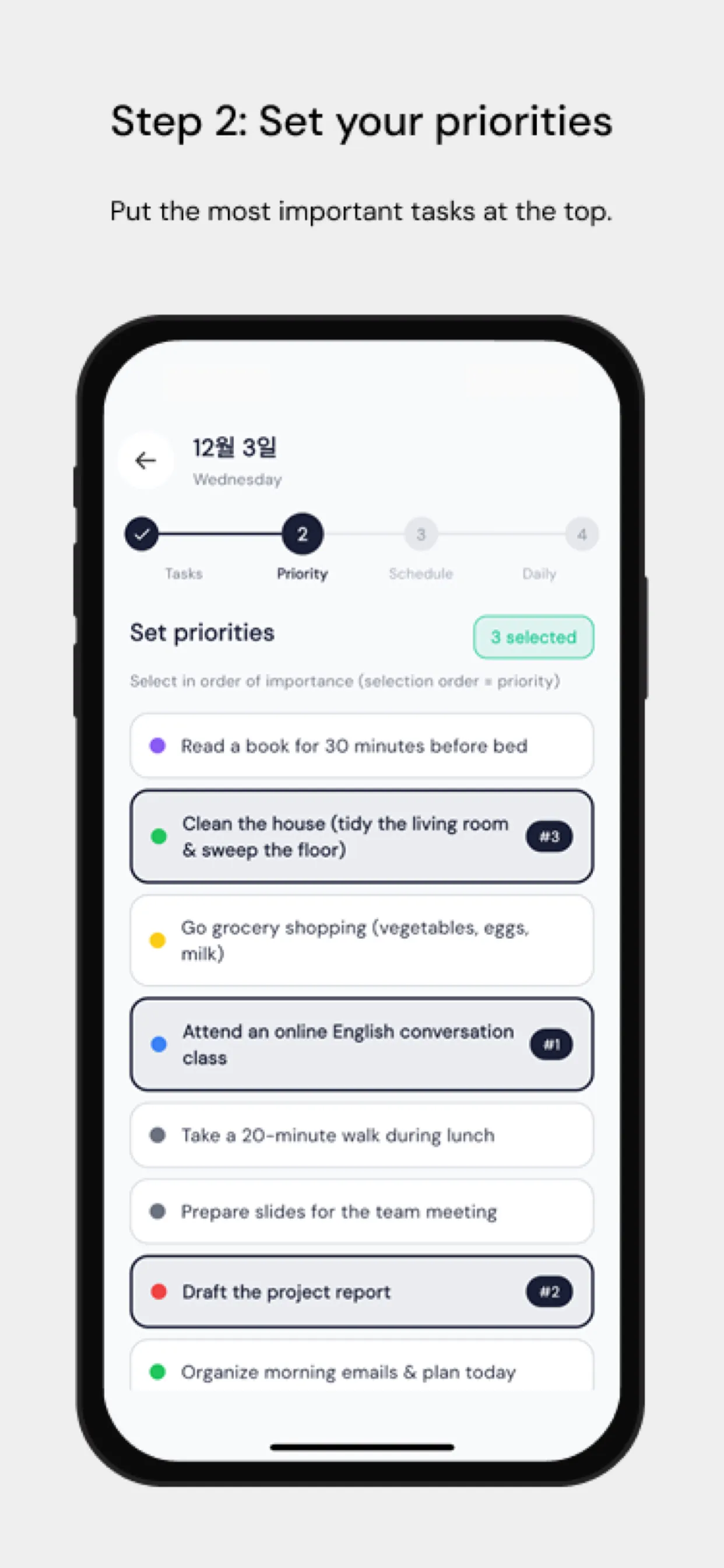
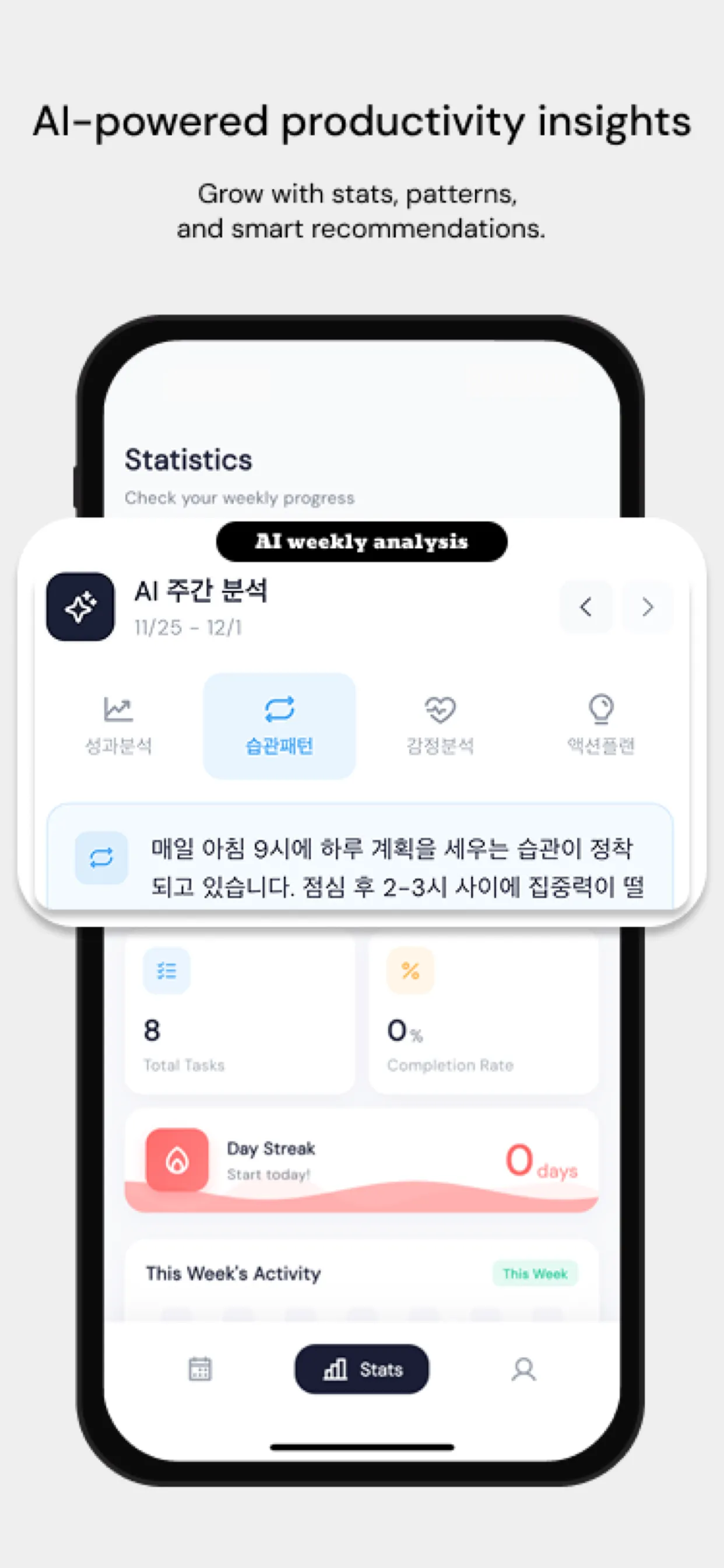
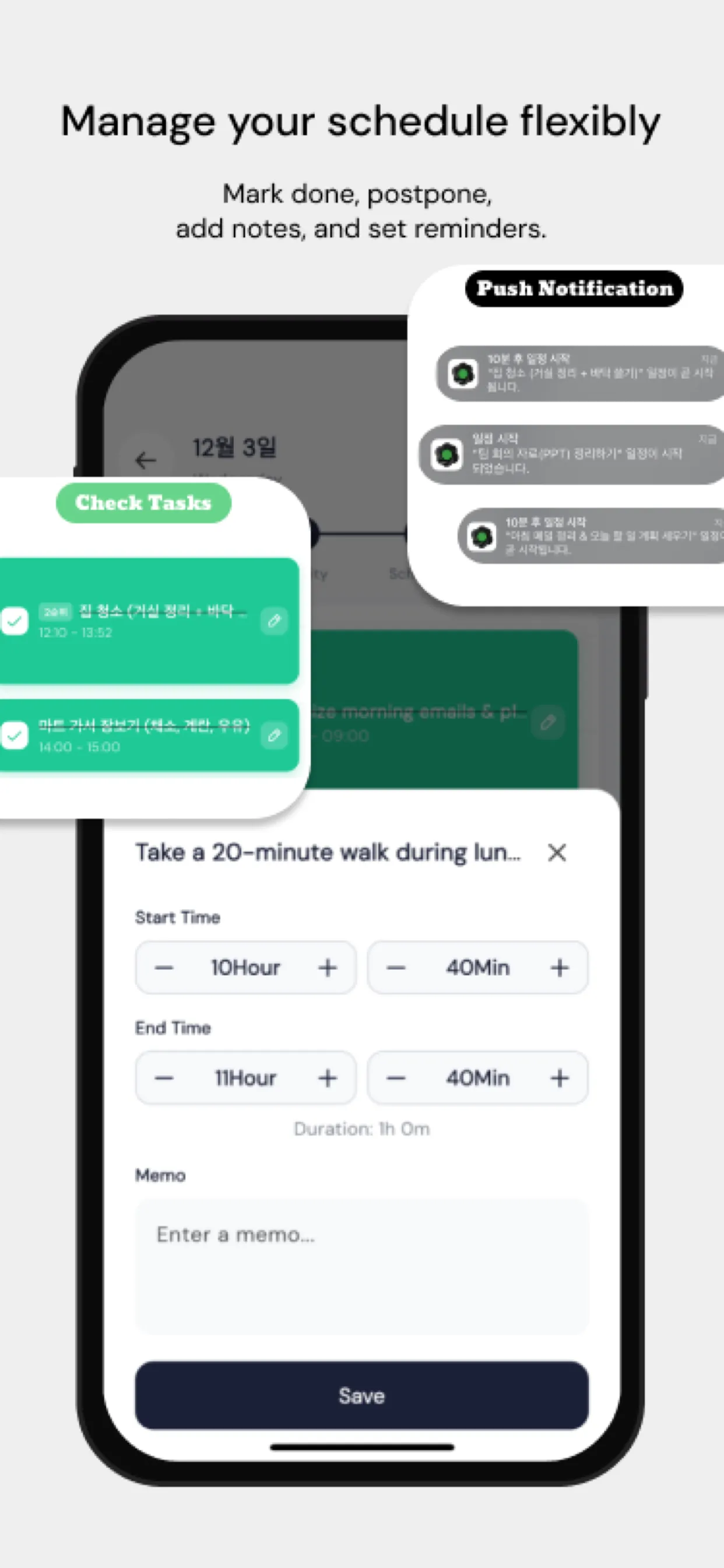
Chrobox is purpose-built for side-project rhythm:
- Recurring weekly time-boxes that stay locked in your calendar
- Streak tracking for accountability
- Energy log to find your true peak window
- Backlog capture so ideas do not derail current sprints
Conclusion
The makers who ship are not more talented. They are more consistent. Pick 2-3 weekly slots, cap at 8-10 hours total, ship tiny weekly milestones, and protect the system from scope creep.
Twelve months from now, the difference between you and the makers who never ship will be one decision: did you treat your side-project time-boxes as immovable, or as suggestions?
Start tomorrow. Schedule one 90-minute box. Show up for it. Repeat.