حظر التطبيقات + تحديد الوقت (Timeboxing): منظومة التركيز الفعالة حقًا
تنتشر تطبيقات حظر التطبيقات في كل مكان في عام 2026 — حيث تأتي معظم الهواتف مزودة بإصدار مدمج منها. ومع ذلك، فإن معظم الأشخاص الذين يثبتون أحد هذه التطبيقات يتوقفون عن استخدامه في غضون شهر. ونادرًا ما تكمن المشكلة في أداة الحظر نفسها؛ بل في أن الحظر يمثل نصف منظومة التركيز الفعالة فقط. أما النصف الآخر فهو تحديد الوقت (timeboxing)، ويشكل الاثنان معًا منظومة متكاملة تصمد حقًا أمام ضغوط الحياة الواقعية.
لماذا يفشل الحظر بمفرده
تجيب أداة حظر التطبيقات عن سؤال واحد: "ما الذي لا يمكنني فعله الآن؟" لكنها لا تخبرك بشيء عما يجب عليك فعله بدلاً من ذلك. وعندما يجد معظم الناس أنفسهم بهاتف محظور ودون خطة واضحة، ينتهي بهم المطاف إلى إحدى نتيجتين: إما أن يجدوا تشتيتًا آخر منخفض القيمة لم تشمله أداة الحظر، أو يشعرون ببساطة بالقلق والتململ لغياب جرعات الدوبامين التي اعتادوا عليها، فيقومون بإلغاء تفعيل الحظر للتخلص من هذا الشعور المزعج.
ولا تعد أي من النتيجتين فشلاً شخصيًا — بل هي النتيجة المتوقعة لإلغاء سلوك ما دون استبداله ببنية منظمة. فالحظر دون وجود ما يملأ الفراغ يخلق فراغًا، والفراغ يُملأ دائمًا بأسهل شيء يمكن الوصول إليه.
ربط الحظر بفترات زمنية مخططة
الحل بسيط من حيث المبدأ: لا تقم أبدًا بتفعيل الحظر دون ربطه بمهمة محددة ووقت انتهاء محدد. وهذا هو بالضبط ما تقدمه تقنية تحديد الوقت (timeboxing). فبدلاً من "حظر التطبيقات المشتتة لفترة من الوقت"، تصبح الوحدة الزمنية: "حظر التطبيقات المشتتة من الساعة 9:00 إلى 10:30 أثناء كتابة تقرير الربع الثالث".
هذا التغيير البسيط يغير تمامًا الحالة النفسية للجلسة. فأنت لا تقاوم غياب هاتفك، بل تعمل على تحقيق نتيجة محددة، وتصبح التطبيقات المحظورة مجرد تأثير جانبي لحماية هذه النتيجة، وليست الحدث الرئيسي.
بنية بسيطة للبدء
- فترة العمل العميق الصباحية (60-90 دقيقة): أصعب مهامك الذهنية، مع حظر التطبيقات وإيقاف الإشعارات.
- فترة التواصل في منتصف اليوم (30-45 دقيقة): إيقاف الحظر، لمتابعة الرسائل والبريد الإلكتروني بشكل مدروس بدلاً من الاستجابة التفاعلية.
- فترة العمل العميق المسائية (60-90 دقيقة): ثاني أصعب مهمة، مع إعادة تفعيل الحظر.
- فترة الاسترخاء المسائية (دون حظر): لا داعي للحظر — فالهدف هو حماية ساعات محددة، وليس منع استخدام هاتفك للأبد.
طقوس جلسة التركيز
إن ممارسة طقس قصير ومكرر قبل بدء فترة تحديد الوقت المحظورة يقلل بشكل ملموس من الوقت الذي يستغرقه عقلك للدخول في حالة التركيز. ولا تهم الخطوات المحددة بقدر ما يهم الاستمرار عليها:
- أغلق علامات التبويب أو التطبيقات غير ذات الصلة.
- ضع هاتفك مقلوبًا على وجهه أو في غرفة أخرى إذا كانت المهمة لا تتطلب وجوده على الإطلاق.
- ابدأ المؤقت وتأكد من قائمة التطبيقات المحظورة لهذه الجلسة.
- خذ نفسًا عميقًا وبطيئًا واذكر المهمة بصوت عالٍ أو كتابةً: "خلال الـ 75 دقيقة القادمة، سأعمل على (س)."
تستغرق هذه الخطوات الأربع أقل من دقيقة، لكنها تعمل كحد فاصل واضح بين مرحلتي "ما قبل الحظر" و"أثناء الحظر"، مما يقلل من المقاومة الذهنية للبدء — والتي غالبًا ما تكون الجزء الأصعب في أي جلسة تركيز.
السلاسل المتتالية (Streaks) والروتين لتعزيز العادات
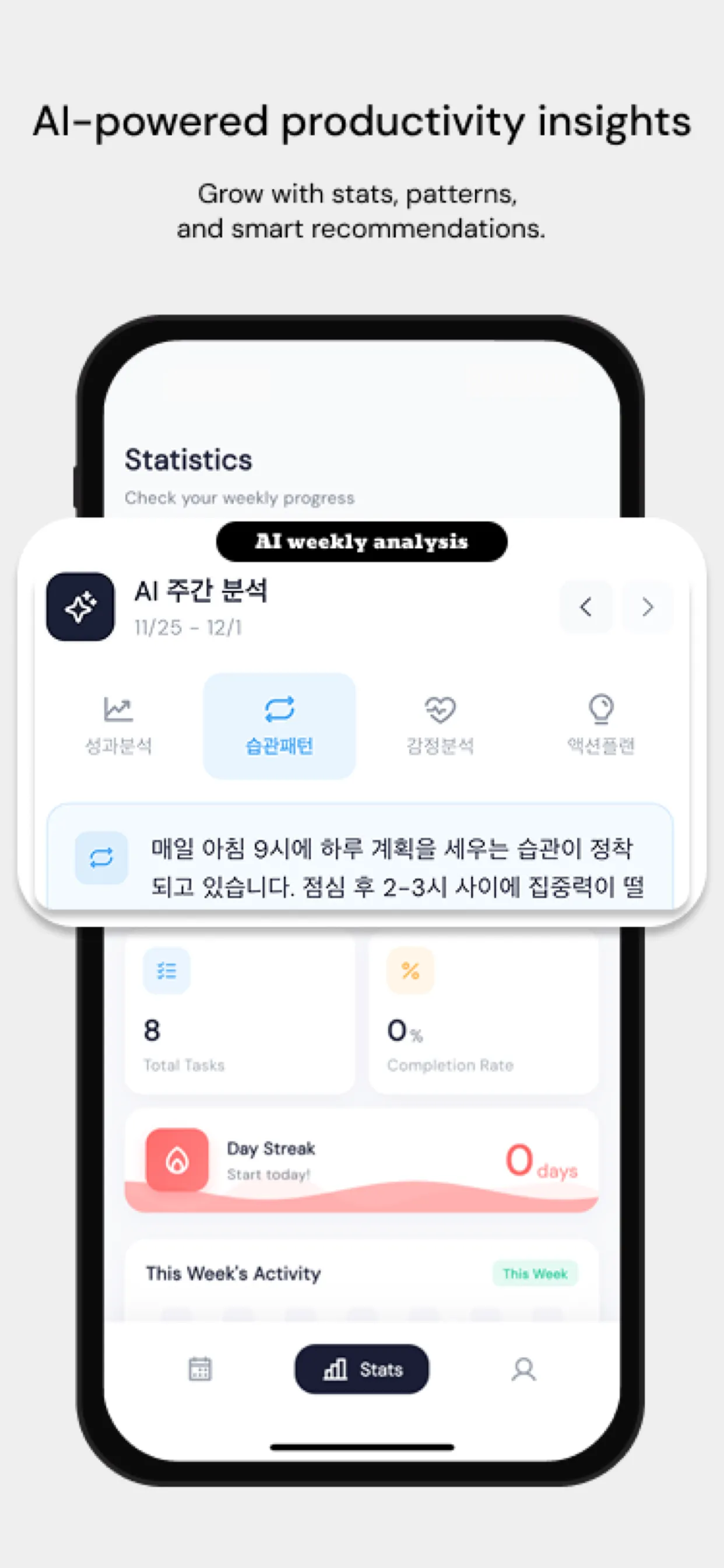
قوة الإرادة استراتيجية ضعيفة على المدى الطويل؛ والتقدم المرئي استراتيجية أفضل بكثير. إن تتبع سلسلة متتالية (streak) من جلسات التركيز المحظورة المكتملة يعتمد على مبدأ "تجنب الخسارة" — فبمجرد أن تحقق خمسة أو عشرة أيام متتالية، يبدأ قطع هذه السلسلة في الظهور كخسارة لشيء اكتسبته بالفعل، وليس مجرد فشل في تحقيق هدف مجرد.
كما تعمل السلسلة المتتالية كأداة تشخيصية. فإذا لاحظت أن سلسلتك تنقطع باستمرار في أيام الأربعاء، فهذه إشارة تستحق البحث والدراسة — قد تكون اجتماعًا متكررًا، أو مصدر ضغط معين، أو انخفاضًا في مستويات الطاقة — بدلاً من اعتباره فشلاً أخلاقيًا تشعر بالذنب تجاهه. تعامل مع هذا النمط كبيانات، واضبط جدولك بناءً عليه.
المساءلة من خلال أدوات شاشة القفل (Widgets) والأنشطة الحية (Live Activity)
أحد الأسباب غير المتوقعة للتخلي عن جلسات الحظر في منتصفها هو أنه بمجرد إلغاء قفل هاتفك لأي سبب كان، تجد نفسك في الشاشة الرئيسية وترى كل ما ليس من المفترض أن تطلع عليه. وتحل أداة شاشة القفل أو ميزة Live Activity التي تعرض فترة التركيز الحالية والوقت المتبقي — مثل "عمل عميق، متبقي 38 دقيقة" — هذه المشكلة من خلال تزويدك بالمعلومات التي تحتاجها بالفعل (الوقت المتبقي، وما التزمت به) دون الحاجة إلى إلغاء قفل الهاتف بالكامل والوقوع في فخ الإغراء.
هذا تفصيل تصميمي صغير ذو تأثير هائل: فهو يحول شاشة القفل نفسها إلى شريك مساءلة صامت. فأنت ترى التزامك قبل أن ترى أي شيء آخر، مما يقلل بشكل كبير من احتمال الانتقال الاندفاعي إلى تطبيق آخر في منتصف الجلسة.
دمج المنظومة الكاملة معًا
تبدو المنظومة الكاملة كما يلي:
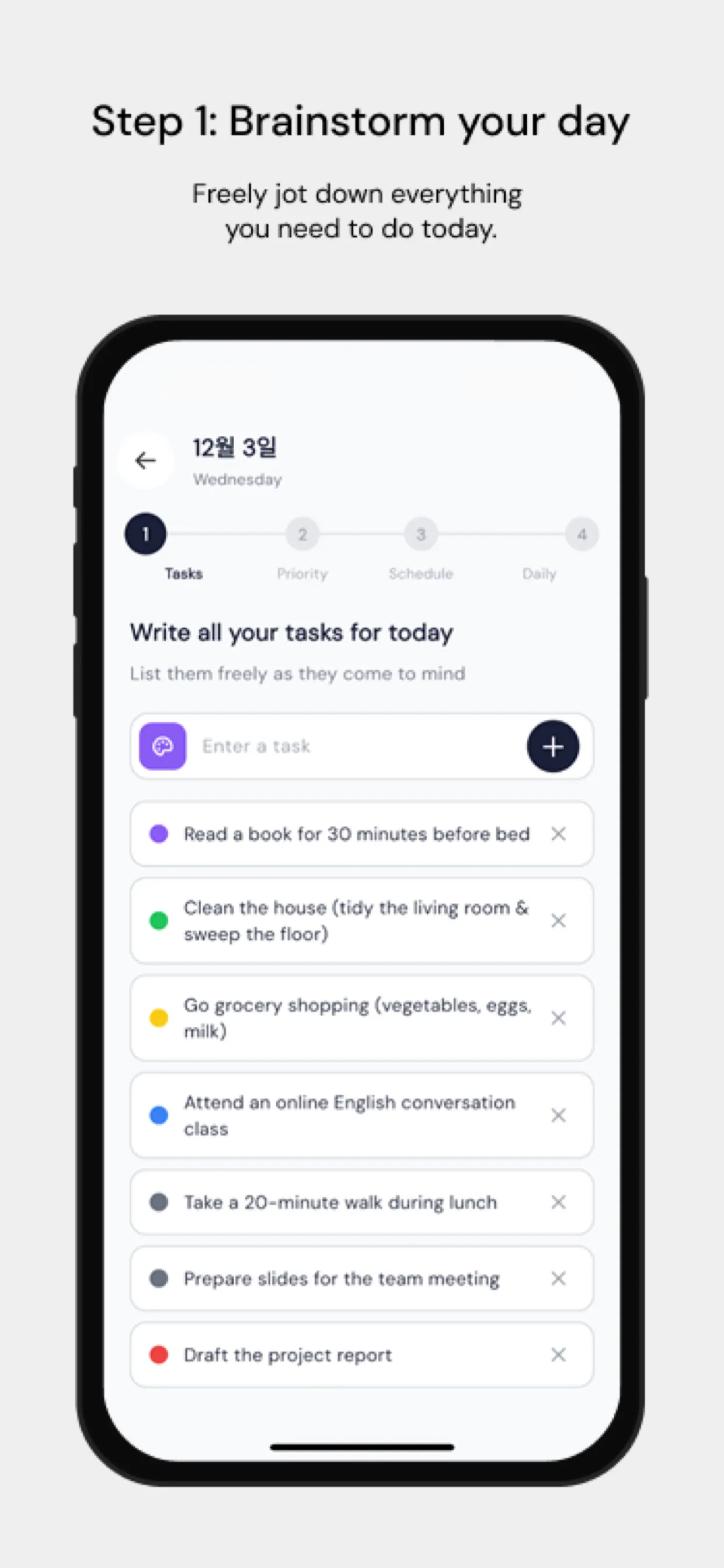
- خطط لمهمة محددة في فترة زمنية محددة في الليلة السابقة أو أول شيء في الصباح.
- الطقوس — سلسلة خطوات تستغرق من 30 إلى 60 ثانية تشير إلى بدء فترة الحظر.
- احظر التطبيقات التي قد تشتتك، واربطها تلقائيًا بمدة تلك الفترة الزمنية.
- تتبع الجلسة ضمن سلسلة متتالية مرئية، وراجعها أسبوعيًا.
- اعرض الفترة الحالية بشكل غير مباشر عبر أداة شاشة القفل أو ميزة Live Activity حتى لا تتطلب المساءلة إلغاء قفل هاتفك.
تم تصميم Chrobox حول هذه السلسلة بالتحديد — حيث يتم تفعيل حظر التطبيقات تلقائيًا عند بدء مهمة تركيز محددة الوقت، وتبقي أداة شاشة القفل وميزة Live Activity الجلسة مرئية دون إلغاء قفل الهاتف بالكامل، وتتتبع شبكة السلسلة المتتالية استمراريتك بمرور الوقت حتى تعزز المنظومة نفسها بنفسها بدلاً من الاعتماد على قوة الإرادة اليومية.
خاتمة
إن حظر التطبيقات أمر ضروري ولكنه ليس كافيًا بمفرده. فتحديد الوقت (Timeboxing) يمنح الحظر غاية واضحة، والطقوس تقصر الطريق للدخول في حالة التركيز، والسلسلة المتتالية المرئية تحول اليوم الجيد الواحد إلى عادة تراكمية. اجمع هذه العناصر الأربعة معًا وستحصل على منظومة تركيز مرنة وقوية بما يكفي لتجاوز الأسبوع السيئ — وهو الاختبار الحقيقي لمدى نجاح أي منظومة إنتاجية.