Why Your Calendar is Already a Time-Boxing Tool
Most people use their calendar as a passive record of commitments. Time-boxing flips this: your calendar becomes an active plan for where your attention goes every hour of the day. The good news is that Google Calendar, Apple Calendar, and Outlook all have everything you need to start today.
Setting Up Time Blocks in Google Calendar
Open Google Calendar and create a new event. Give it the name of your task, not a vague label like "work." Set the duration to match your intended focus session. Under the "more options" menu, set your status to "Busy" and visibility to "Private" so colleagues cannot see the details or schedule over you.
Use color coding to distinguish block types. For example, green for deep work, blue for meetings, and orange for administrative tasks. Google Calendar's color system makes it easy to see at a glance whether your day is balanced or overloaded.
Create recurring blocks for daily habits like your morning planning session or end-of-day review. Recurring events ensure these critical routines never get crowded out.
Time-Boxing in Apple Calendar
Apple Calendar works best when paired with iOS Reminders or a task manager. Create a calendar dedicated to time blocks and give it a distinct color. When you add a block, use the notes field to list the specific tasks you plan to complete during that session.
Enable the "Alerts" feature to get a five-minute warning before each block starts. This gives you time to close other tabs, silence notifications, and mentally shift into focus mode before the block begins.
Outlook Time-Boxing for Teams
Outlook's strength is its deep integration with Microsoft Teams and shared calendars. Block time using "New Appointment" rather than "New Meeting" to keep it off shared calendars by default. Set the show-as status to "Busy" and enable the private flag.
Use Outlook's category colors to match your organization's workflow. If your team already uses color conventions for meeting types, extend those conventions to your personal work blocks so the visual language stays consistent.
The Problem with Manual Calendar Time-Boxing
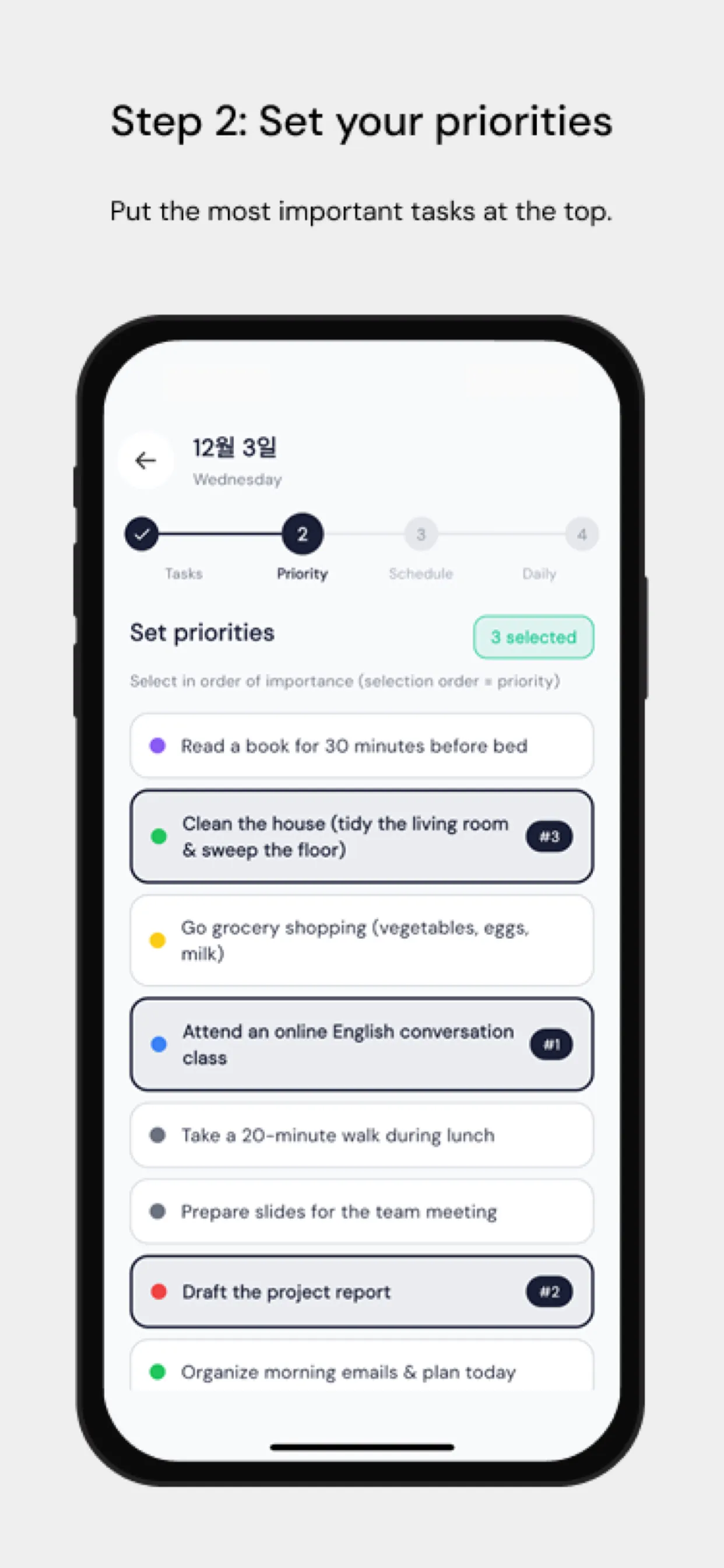
The biggest friction point is that manually dragging tasks onto a calendar is time-consuming and rarely updated when plans change. Chrobox solves this by syncing your task list directly with your calendar. Add a task with an estimated duration, and Chrobox finds the next available slot and creates the block automatically. When priorities shift, it reschedules affected blocks without manual intervention.
Tips for Protecting Your Time Blocks
Communicate your system to your team. Let them know that blocked time means you are unavailable, not just tentatively busy. Designate a specific window each day for impromptu requests so colleagues have a predictable time to reach you without disrupting your blocks.
Review your calendar each morning for the next 24 hours. Confirm that your blocks align with your top priorities and adjust if a new urgent task has emerged. This five-minute check prevents the day from running you instead of you running the day.