The Real Reason You Procrastinate
Procrastination is not a character flaw. It is a neurological response to perceived threat. When a task feels ambiguous, overwhelming, or tied to your self-worth, your brain triggers avoidance behaviors to protect you from potential failure. Understanding this mechanism is the first step to beating it.
Researchers at Carleton University found that procrastination is fundamentally about managing negative emotions, not poor time management. This means that strategies targeting only your schedule will fall short unless they also address the emotional dimension.
How Time-Boxing Addresses the Root Cause
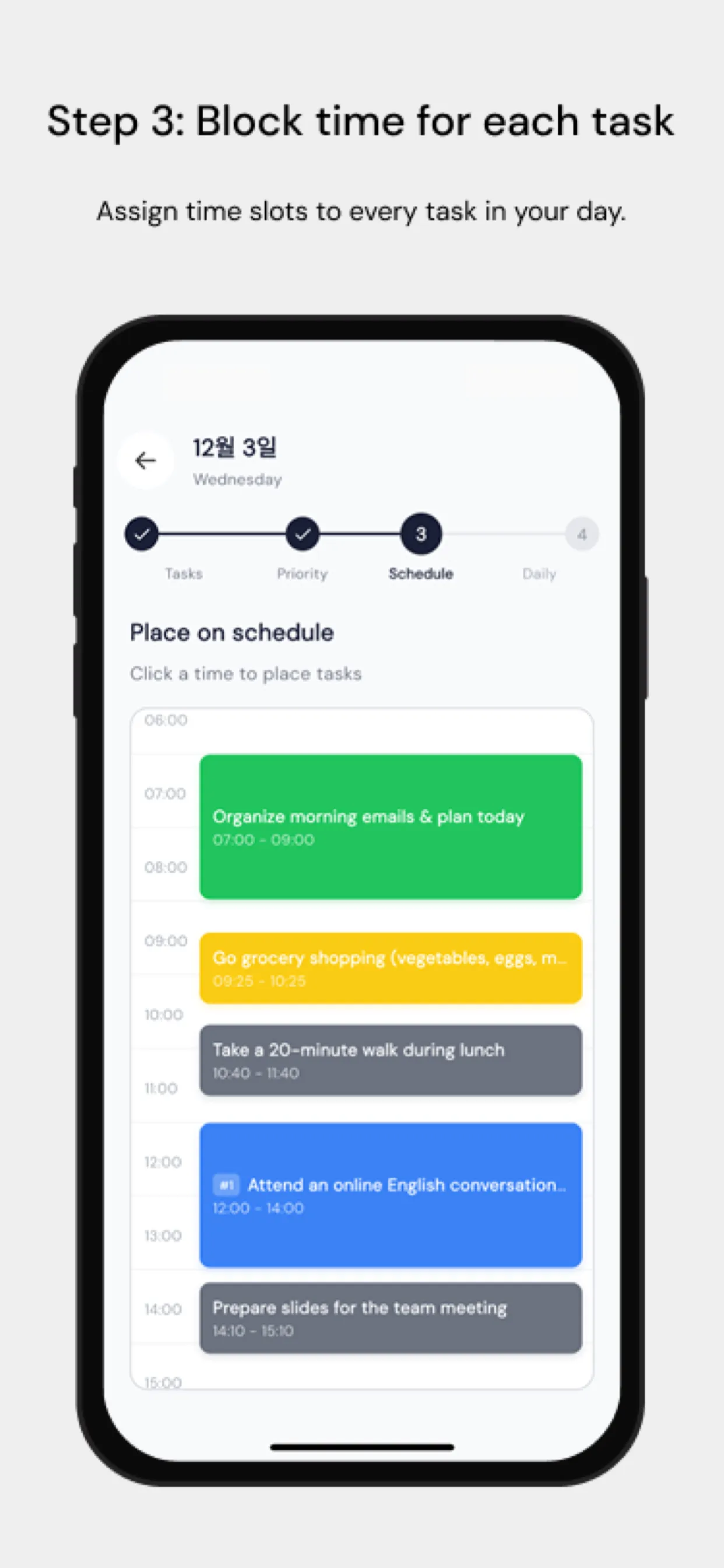
Time-boxing works against procrastination on multiple levels. First, it removes task ambiguity by defining exactly when work will happen. The brain resists open-ended commitments but readily accepts bounded ones. Second, a fixed endpoint removes the pressure of perfection. You are not trying to finish the task perfectly; you are working for 45 minutes and then stopping.
Third, time-boxing creates what psychologists call "implementation intentions." Research by Peter Gollwitzer shows that people who specify when and where they will act on a goal are significantly more likely to follow through than those with vague intentions. Scheduling a task as a time box is an implementation intention in its strongest form.
The Five-Minute Start Protocol
For tasks you have been avoiding, use the five-minute start protocol. Commit to working on the task for exactly five minutes. Tell yourself you can stop after five minutes if you want to. This technique exploits the Zeigarnik effect: humans have a natural drive to complete tasks they have started, making it easier to continue than to stop once you begin.
After five minutes, you will almost always choose to continue. If you do not, something is wrong with the task itself, such as it being unclear or requiring a resource you do not have. That information is valuable and prevents you from sitting paralyzed without knowing why.
Using Time-Boxing to Break Down Overwhelming Tasks
Large tasks are the biggest procrastination triggers because their scope is undefined. Break every large task into sub-tasks that fit within a single time box. "Write the report" becomes "outline introduction" (20 min), "draft methodology section" (45 min), and "review and edit" (30 min).
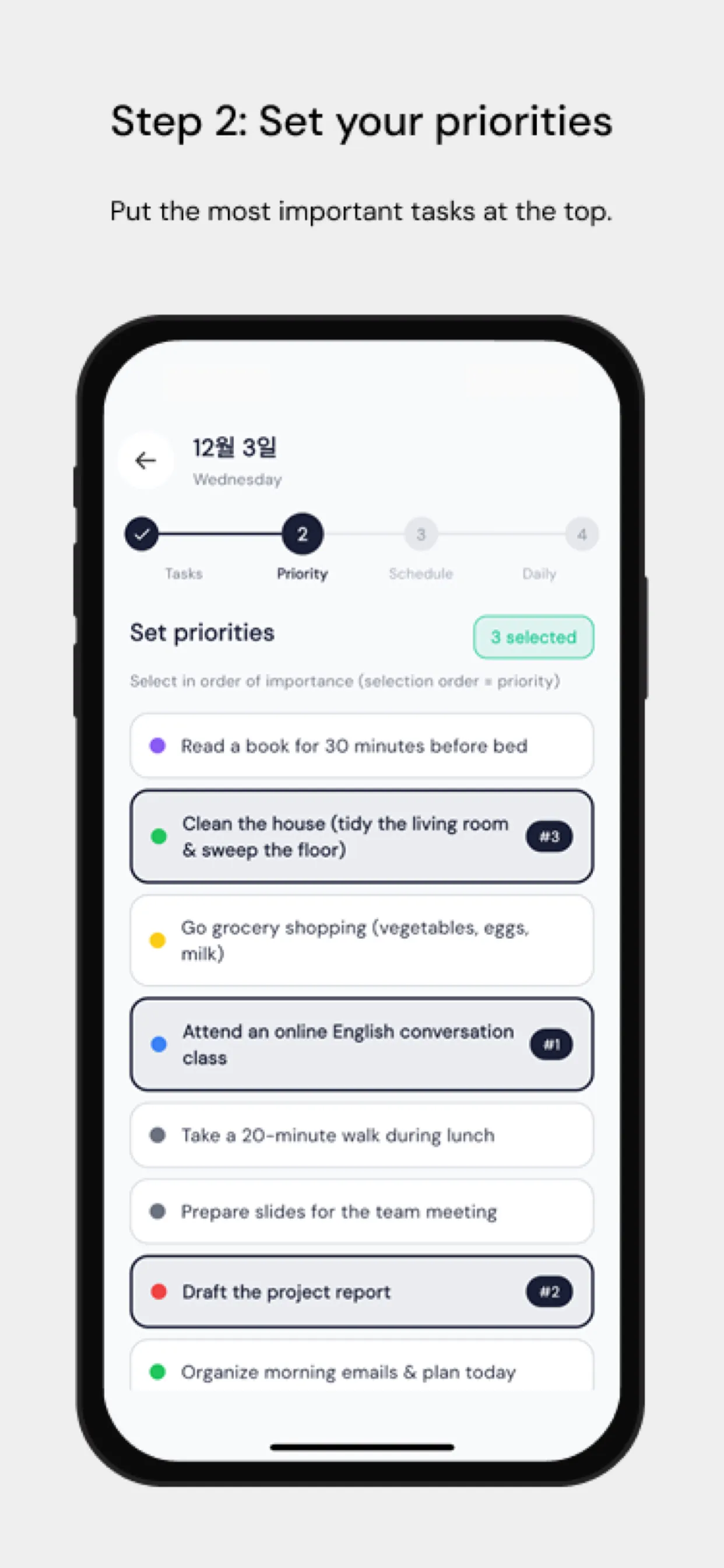
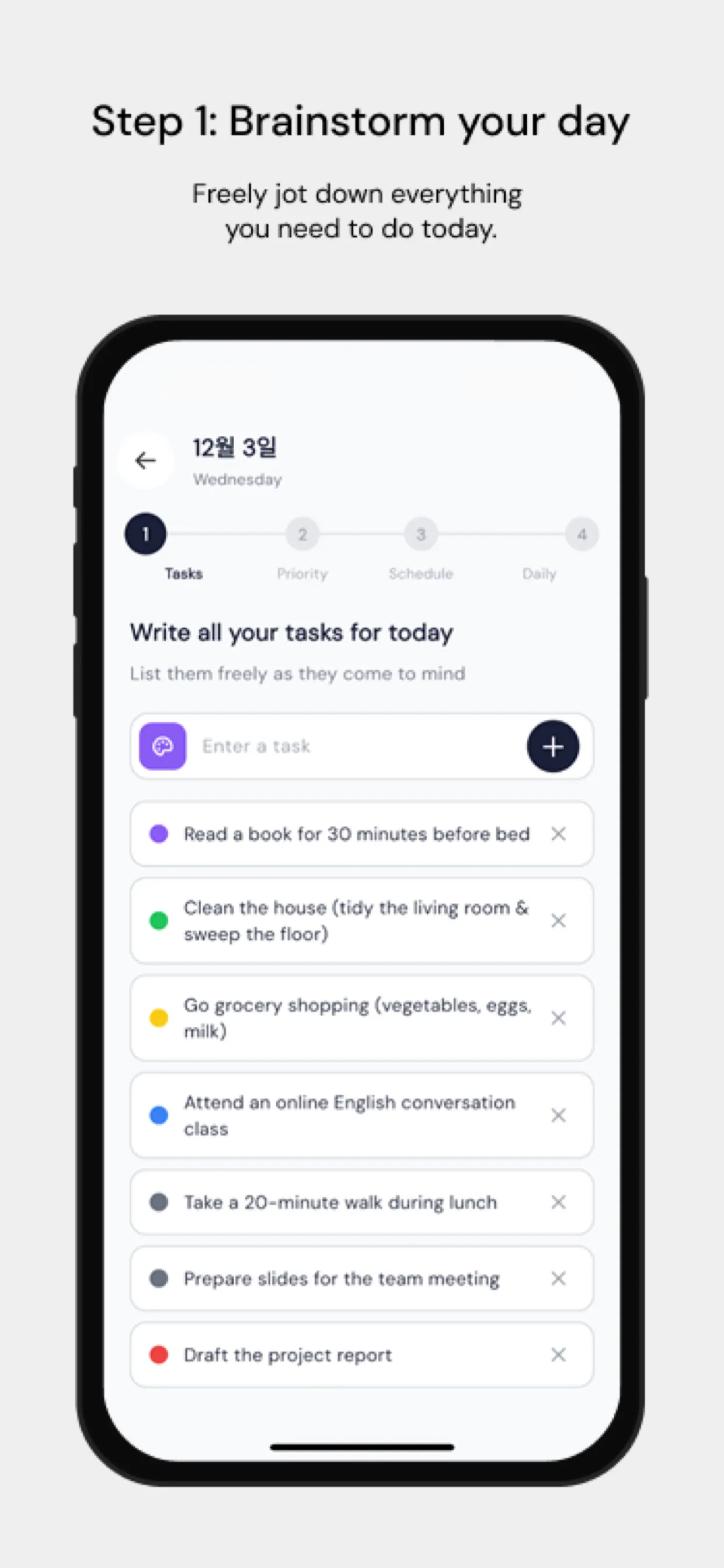
Chrobox makes this decomposition easy. You can create parent tasks with sub-tasks, each with their own time estimates, and Chrobox will schedule them across available slots in your calendar automatically.
Handling the Emotional Discomfort
The moment before starting a dreaded task is when discomfort peaks. Acknowledge the feeling without acting on it. A simple phrase like "I notice I want to check my phone instead of starting this" creates psychological distance between the urge and the action.
Then start your timer and begin. The discomfort drops dramatically within two to three minutes of genuine effort, which is why the five-minute start protocol is so effective.
Building Momentum Across the Day
Schedule your most avoided task first thing in the morning before your brain has time to negotiate. After completing it, the psychological payoff gives you momentum for the rest of the day. Chrobox can automatically prioritize avoided tasks by tracking which items get repeatedly rescheduled, flagging them so you confront them early rather than pushing them indefinitely forward.