Un digital detox realistico: come creare una routine di concentrazione che dura nel tempo
La maggior parte dei digital detox fallisce allo stesso modo: si eliminano tutte le app dal telefono la domenica sera, ci si sente benissimo per tre giorni e, entro il fine settimana successivo, si torna alle vecchie abitudini di scrolling. Il detox non era sbagliato nello spirito, ma nella struttura. Un digital detox che funziona davvero non è un evento drastico e isolato; è un piccolo insieme di routine che si possono sostenere per mesi, non solo per pochi giorni.
Questa guida analizza la riduzione graduale rispetto al metodo drastico (il cosiddetto "taglio netto"), le routine mattutine e serali senza telefono, l'analisi settimanale delle proprie abitudini e come sfruttare le serie consecutive (streak) senza trasformare il tutto in un'ulteriore fonte di sensi di colpa.
Riduzione graduale vs. Taglio netto
Entrambi gli approcci hanno una loro validità, ma risolvono problemi diversi.
Il taglio netto funziona bene per un reset temporaneo: un fine settimana fuori porta, una settimana di vacanza o una scadenza particolarmente importante. Poiché l'intervallo di tempo è breve e ben definito, il fastidio dell'astinenza è tollerabile e non deve trasformarsi in uno stile di vita permanente.
La riduzione graduale è più efficace per un cambiamento comportamentale duraturo. Vietare improvvisamente l'uso del telefono nella vita di tutti i giorni tende a fallire perché elimina strumenti davvero necessari — navigazione, pagamenti, app bancarie, comunicazioni di lavoro — insieme a quelli che causano il vero problema. Quando il divieto inevitabilmente si infrange (perché serve il telefono per un motivo reale), spesso l'intero sistema crolla di conseguenza.
La via di mezzo più pratica: individua le due o tre app che ti distraggono di più (di solito un'app di video brevi, un feed di social media o un gioco) e blocca solo quelle, solo in fasce orarie specifiche, partendo da un obiettivo modesto come le mattine dei giorni feriali. Amplia il blocco solo dopo aver mantenuto questa abitudine per due settimane consecutive.
Mattina: rimanda, non vietare
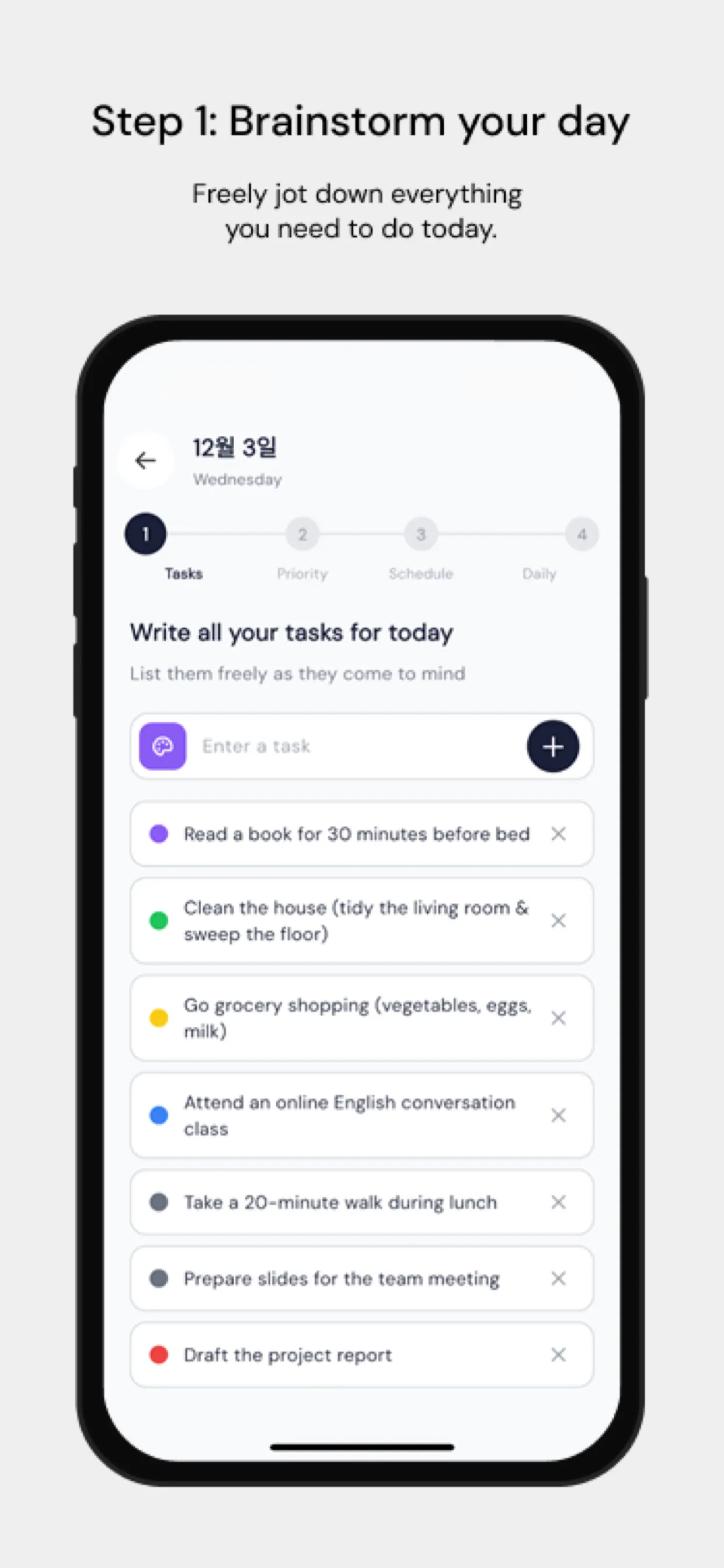
Una routine mattutina senza telefono non richiede prove di forza di volontà eroiche, ma solo una piccola regola: non toccare il telefono per i primi 20-30 minuti dopo il risveglio. Tutto qui. L'attività specifica che decidi di fare al suo posto (stretching, preparare il caffè, rivedere il programma della giornata) conta meno del semplice fatto di non lasciare che il primo stimolo della giornata sia deciso dal feed delle notifiche.
Questo ritardo è fondamentale perché i primi minuti dopo il risveglio influenzano in modo sproporzionato il tuo stato mentale per le ore successive. Aprire un feed come prima cosa significa cedere il controllo delle tue priorità a un algoritmo ottimizzato per catturare l'attenzione, non per i tuoi reali obiettivi della giornata.
Sera: proteggi la fase di disconnessione
La versione serale dello stesso principio: interrompi l'uso illimitato del telefono 30-60 minuti prima di andare a dormire. Gli schermi in sé influiscono sui disturbi del sonno meno di quanto si creda comunemente; è invece il contenuto — una discussione in una chat di gruppo, una notizia ansiogena, un feed infinito senza un punto di arresto naturale — a mantenere la mente attiva quando dovrebbe rilassarsi.
Un'alternativa pratica: sposta il caricabatterie fuori dalla camera da letto, oppure imposta un blocco programmato che schermi le app di distrazione più utilizzate a partire da un orario fisso ogni sera.
L'analisi settimanale: trasformare i dati in una singola ottimizzazione
Un digital detox senza alcuna analisi è basato solo sulle sensazioni. Un controllo settimanale di 10-15 minuti trasforma i dati di utilizzo reali in azioni concrete. Cerca tre elementi:
- In quali giorni i tuoi blocchi sono stati saltati o interrotti — c'è una causa ricorrente (una riunione specifica, una particolare fonte di stress)?
- Quali sessioni di timeboxing sono durate molto più o molto meno del previsto — tendi a valutare costantemente male il tempo necessario per il lavoro concentrato?
- Un singolo cambiamento specifico da apportare la settimana successiva — non cinque modifiche, una sola. Cercare di sistemare tutto in una volta è il modo migliore per far crollare le abitudini di detox sotto il peso della loro stessa complessità.
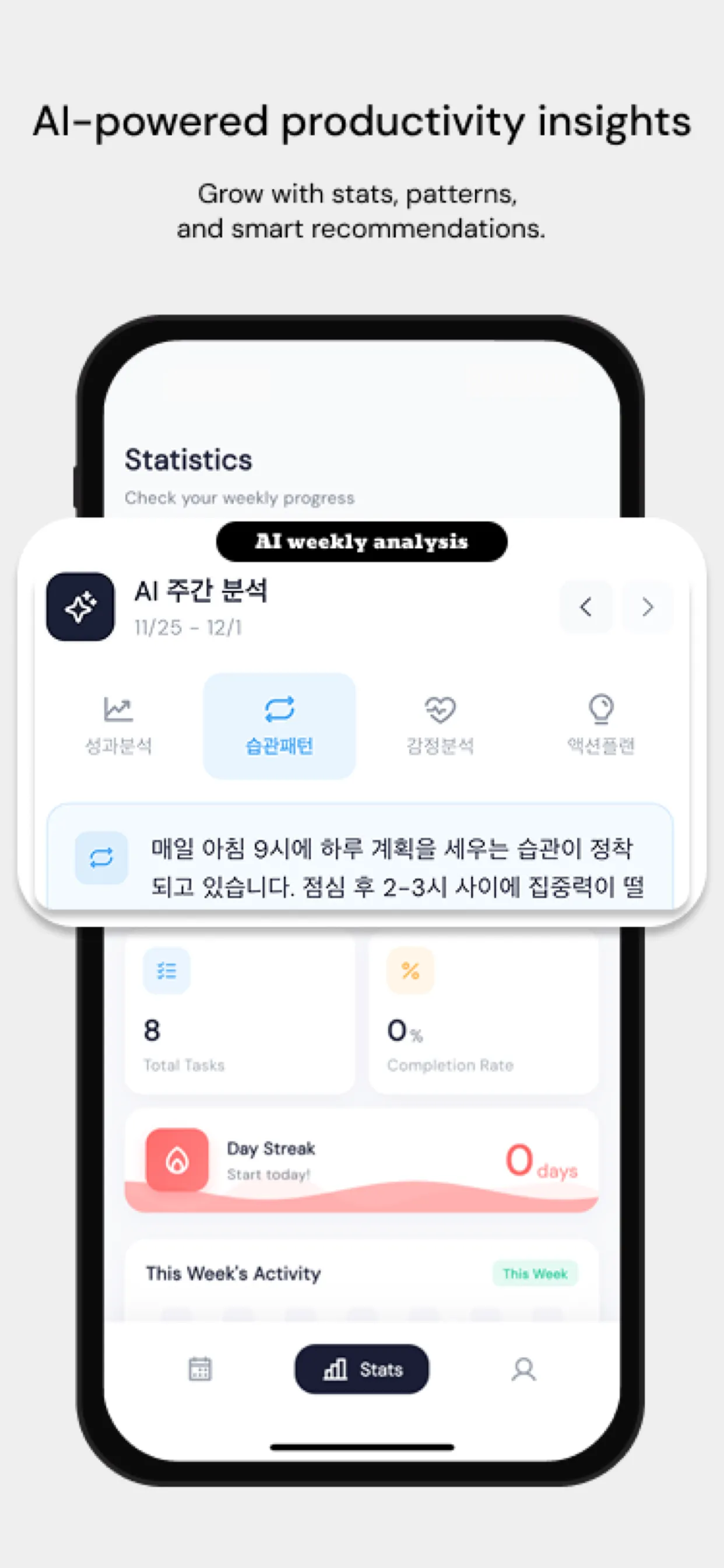
Un riepilogo settimanale generato dall'AI che evidenzia automaticamente questi schemi evita di dover fare ricerche manuali, ma la disciplina di fondo non cambia a prescindere dagli strumenti utilizzati: trasformare una settimana di attività grezza in un unico, concreto accorgimento.
Usare le griglie delle serie consecutive senza la trappola del senso di colpa
Una serie visibile di mattine consecutive senza telefono, sessioni di concentrazione bloccate o analisi settimanali completate è davvero motivante — l'avversione alla perdita rende riluttanti a interrompere una catena già avviata. Tuttavia, le serie consecutive hanno un lato oscuro se si permette a un singolo giorno mancato di far crollare l'intero sistema.
La soluzione è una regola di mentalità, non tecnica: una serie interrotta è solo un dato, non un giudizio sul tuo carattere. Prendi nota di cosa è successo subito prima del giorno mancato — una notte in cui hai fatto tardi, un viaggio, una scadenza insolitamente stressante — in modo da poterti organizzare per situazioni simili la volta successiva, e poi inizia una nuova serie il giorno stesso. Chi ricomincia subito dopo un'interruzione mantiene l'abitudine di fondo molto meglio di chi aspetta un inizio simbolico, come un nuovo mese o il nuovo anno.
Conclusione
Un digital detox che sopravvive alla prova della vita reale non è quello che elimina più cose nel minor tempo possibile. È quello costruito su un piccolo numero di routine durature: una mattina posticipata, una sera protetta, una breve analisi settimanale e una serie consecutiva considerata come un feedback anziché come un giudizio. Questa settimana inizia con una sola routine, non con tutte e quattro. L'obiettivo non è una settimana perfetta, ma un sistema che utilizzerai ancora tra tre mesi.