Time-Boxing for ADHD: A Practical Guide to Staying Focused
ADHD makes it hard to start tasks, switch between them, and—perhaps most frustratingly—stop working on something engaging to do something important. Time-boxing addresses all three challenges by creating pre-decided boundaries around every activity.
What Is Time-Boxing?
Time-boxing means assigning a fixed time limit to a specific task before you begin. Instead of working on a report 'until it's done,' you work on it for exactly 25 minutes. When the timer ends, you stop—regardless of where you are.
For ADHD brains, this removes two of the biggest obstacles: the paralysis of deciding when to start and the difficulty of knowing when to stop.
Why It Works for ADHD
The ADHD brain responds strongly to deadlines and novelty. A ticking timer introduces an artificial urgency that can activate the same dopamine response that makes crisis-driven work feel manageable.
Additionally, breaking the day into discrete blocks reduces the cognitive load of planning. Instead of maintaining a mental map of an entire project, you only need to focus on the next 20 minutes.
How to Get Started
1. Start small. Use 15-minute blocks for the first week. This feels achievable and builds the habit before you extend to longer sessions.
2. Write the task on paper before you start. Externalizing the goal prevents mid-session drift into tangential topics.
3. Use a physical or visual timer. Audio and visual cues are more effective than phone notifications for ADHD. A dedicated timer app with a visual countdown keeps the passage of time concrete.
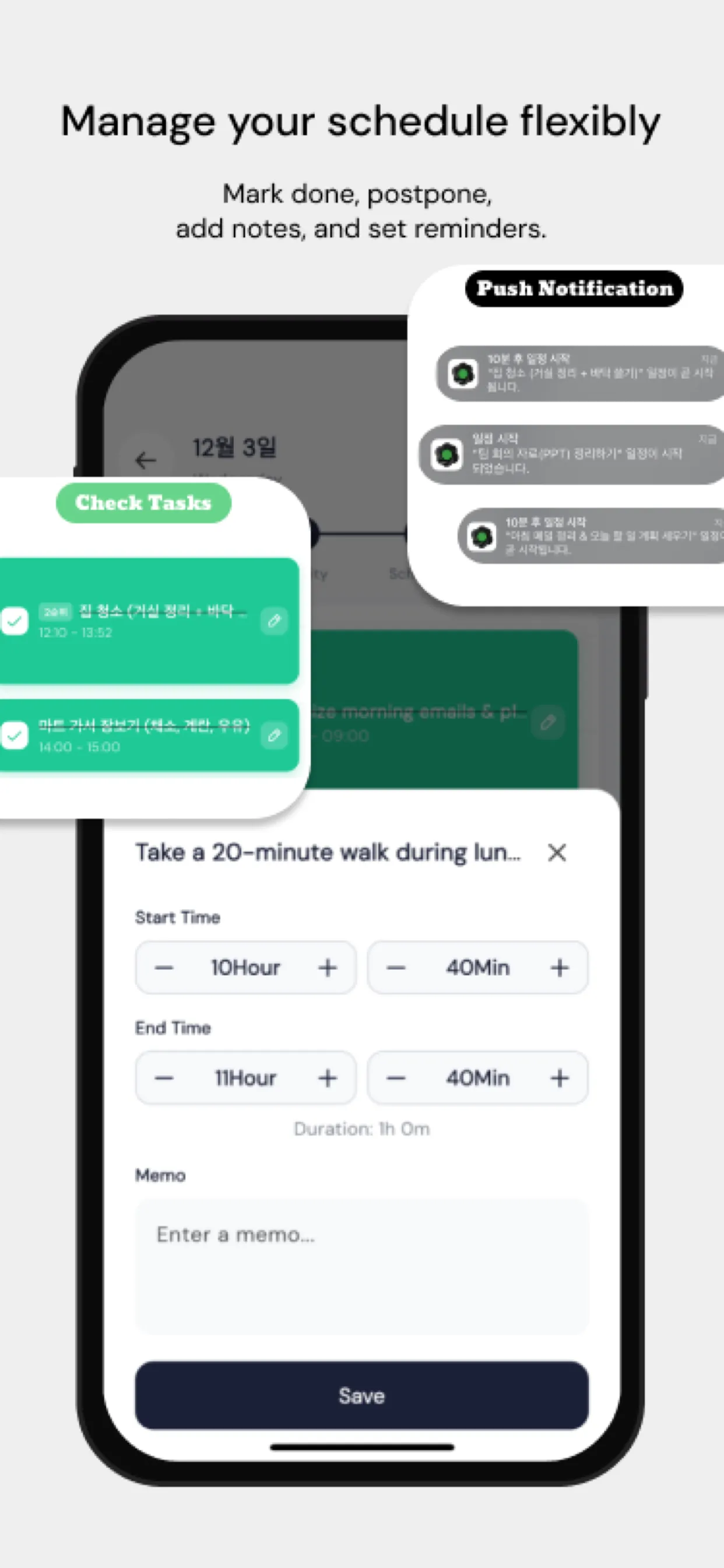
4. Include transition time. Add a 5-minute buffer between blocks. This reduces the stress of hard stops and gives your brain time to reset.
5. Log what you actually completed. Reviewing completed blocks at the end of the day provides a dopamine reward and helps calibrate future estimates.
Common Pitfalls to Avoid
- Hyperfocus traps: If you're deep in a task when the timer rings, write a quick note about where you are and stop anyway. Skipping one block cascades into schedule collapse.
- Overly long blocks: 45+ minute blocks are rarely sustainable for ADHD. Shorter, more frequent blocks with movement breaks between them outperform long unbroken stretches.
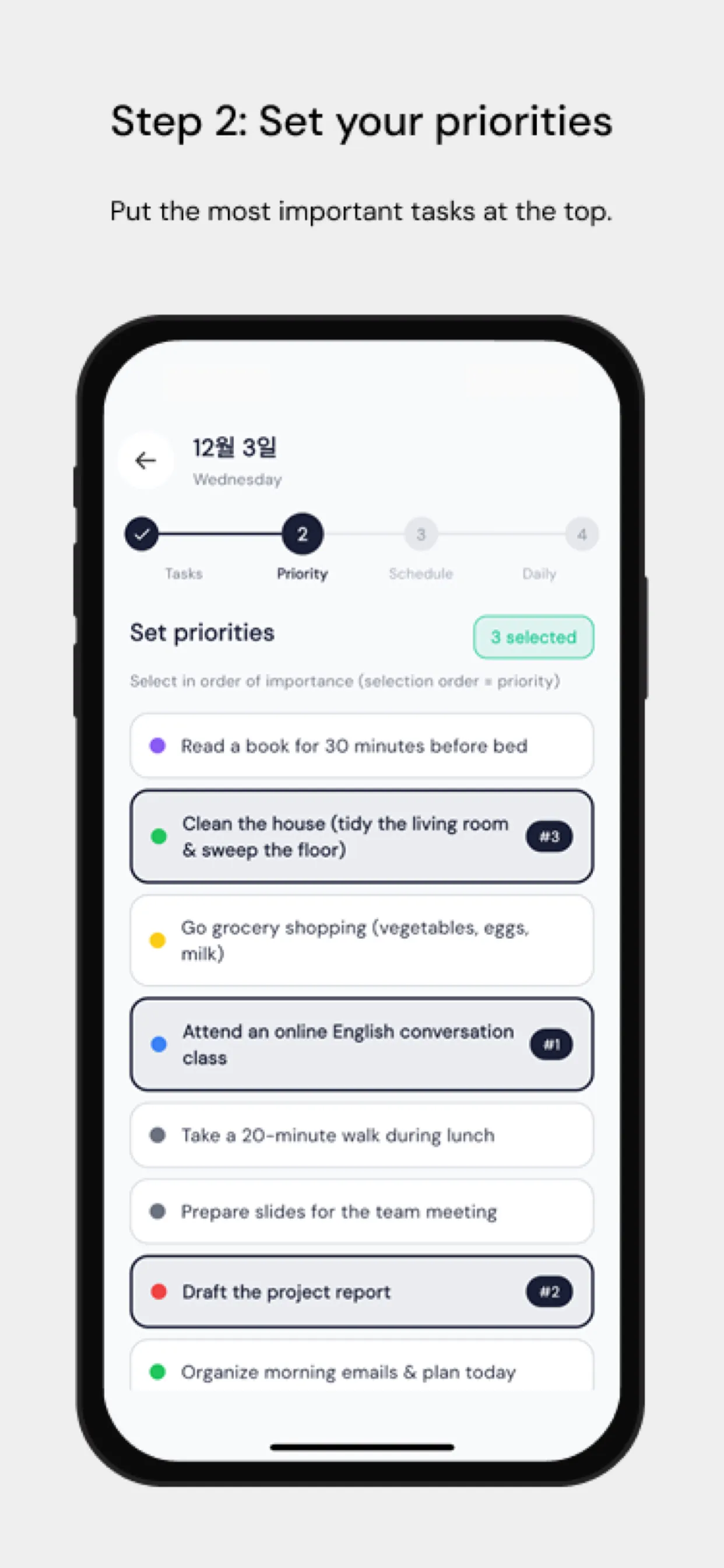
- Perfectionism in planning: Don't spend 30 minutes crafting the perfect schedule. Block your top three priorities and adjust as the day unfolds.
Using Chrobox for ADHD Time-Boxing
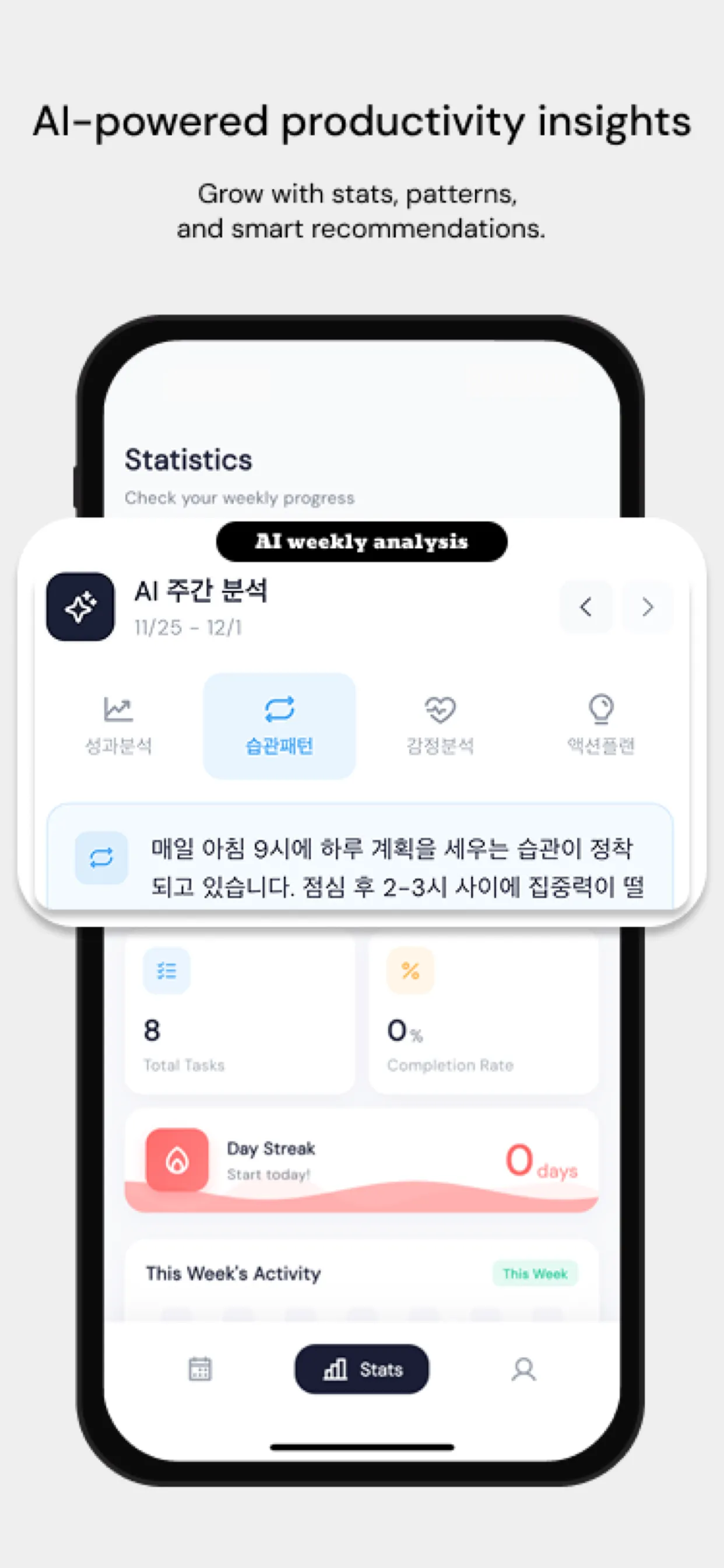
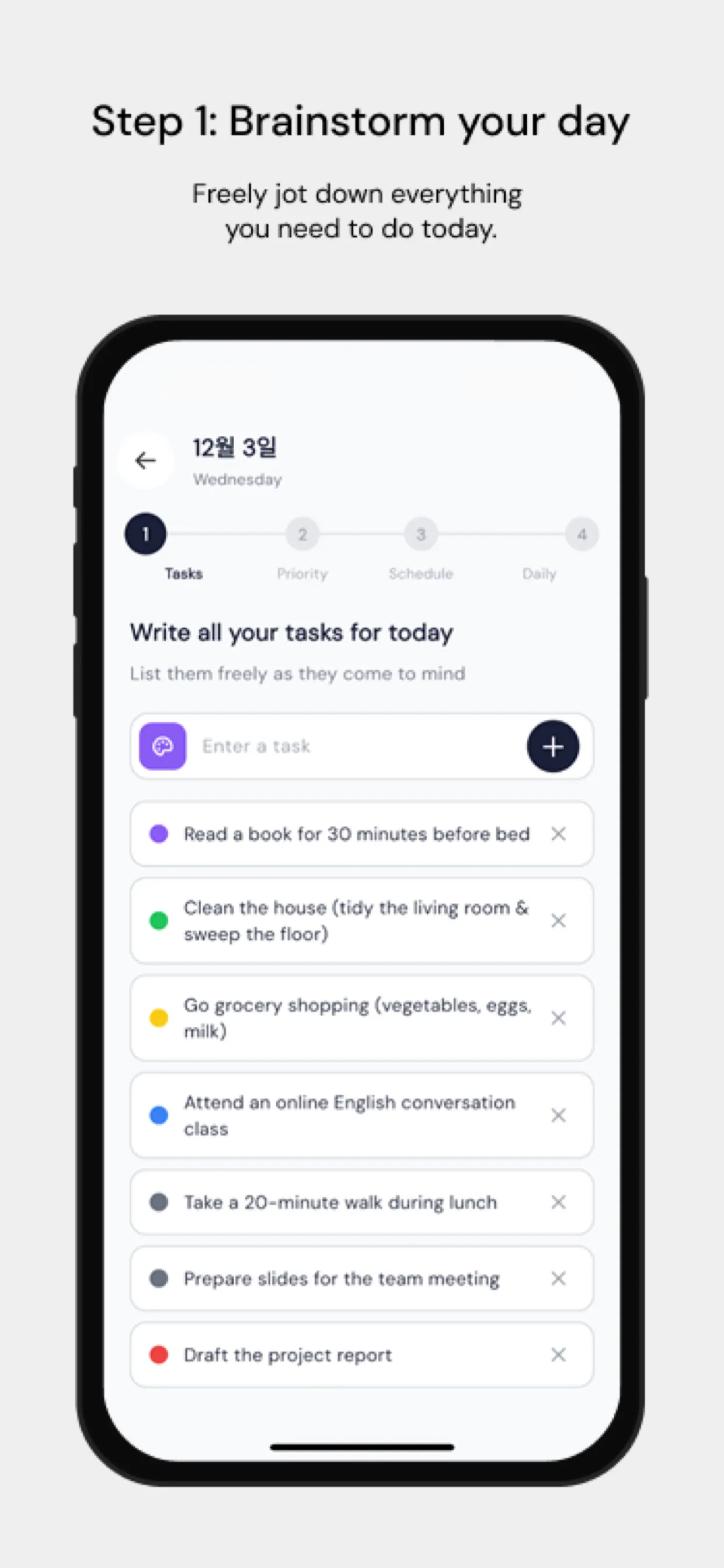
Chrobox is built around the idea that your calendar should reflect how you actually spend time. Its visual time-tracking makes it easy to see at a glance whether your planned blocks matched reality—giving ADHD users the immediate feedback loop that makes behavior change sustainable.
Start with three time-boxed blocks tomorrow morning. That's all it takes to begin.