Time-Boxing for Students: How to Study Smarter, Not Harder
Studying harder is rarely the answer. Students who perform consistently well don't necessarily log the most hours—they protect the quality of each hour they study. Time-boxing is the mechanism that makes this possible.
The Problem with Open-Ended Study Sessions
When you sit down to 'study for the exam,' your brain has no clear endpoint. Without a boundary, Parkinson's Law takes over: work expands to fill the time available. The result is three hours of low-intensity effort that feels productive but produces little retention.
How Time-Boxing Changes the Equation
By setting a 45-minute block for a single subject, you:
- Create urgency that improves recall encoding
- Prevent the diminishing returns of marathon sessions
- Make it easier to track how much time each subject actually receives
- Build in mandatory breaks that consolidate memory
Building a Student Time-Box Schedule
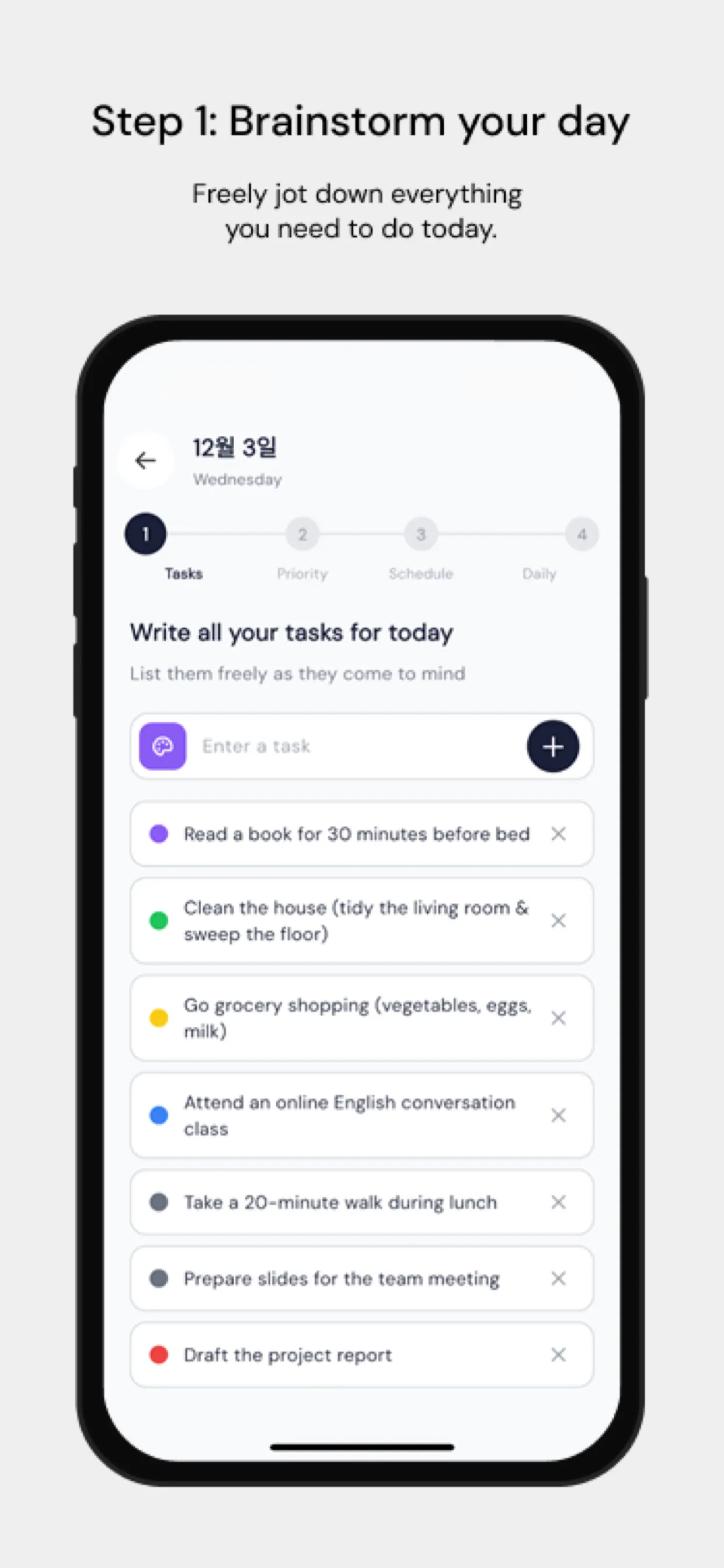
Step 1: List your subjects and estimate weekly hours needed. Be honest. Difficult subjects need more blocks. Don't assign equal time to everything.
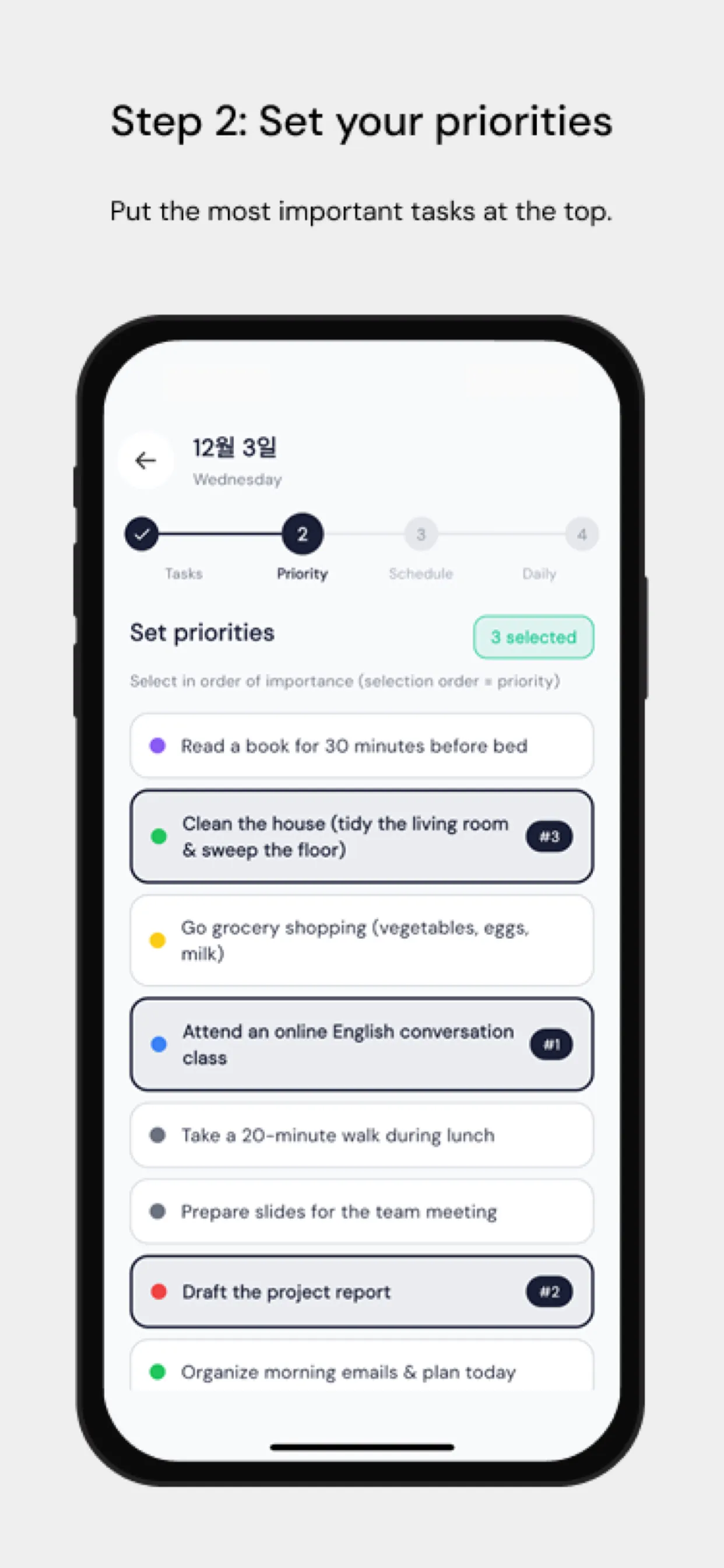
Step 2: Assign blocks to specific days and times. Study the hardest subject during your peak mental performance window—usually mid-morning for most people.
Step 3: Protect review blocks. At least 20% of your study time should be dedicated to reviewing previous material, not just covering new content.
Step 4: Plan for overrun. If you need more time on a topic, schedule a makeup block rather than extending the current one. This keeps your overall schedule intact.
Subject-Switching Strategy
Interleaving—switching between subjects in a single study session—has been shown to improve long-term retention compared to blocking a single subject for hours. A time-boxed schedule naturally supports this strategy.
For example:
- 9:00–9:45 Mathematics
- 9:55–10:40 History
- 10:50–11:35 Literature
Managing Exam Pressure
Two weeks before an exam, gradually shift blocks toward the exam subject without eliminating others entirely. Cramming in the final 48 hours is a symptom of poor block planning earlier in the semester.
Chrobox for Students
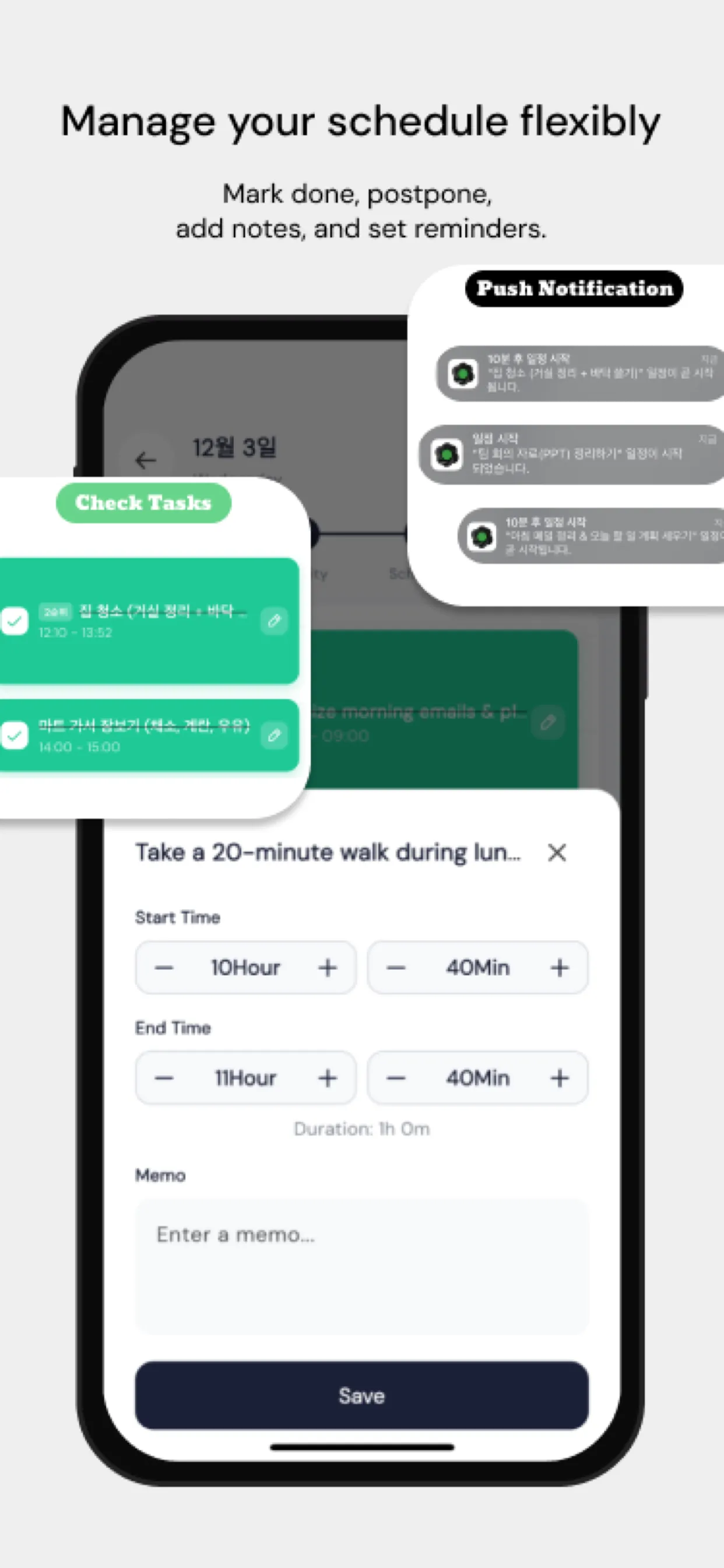
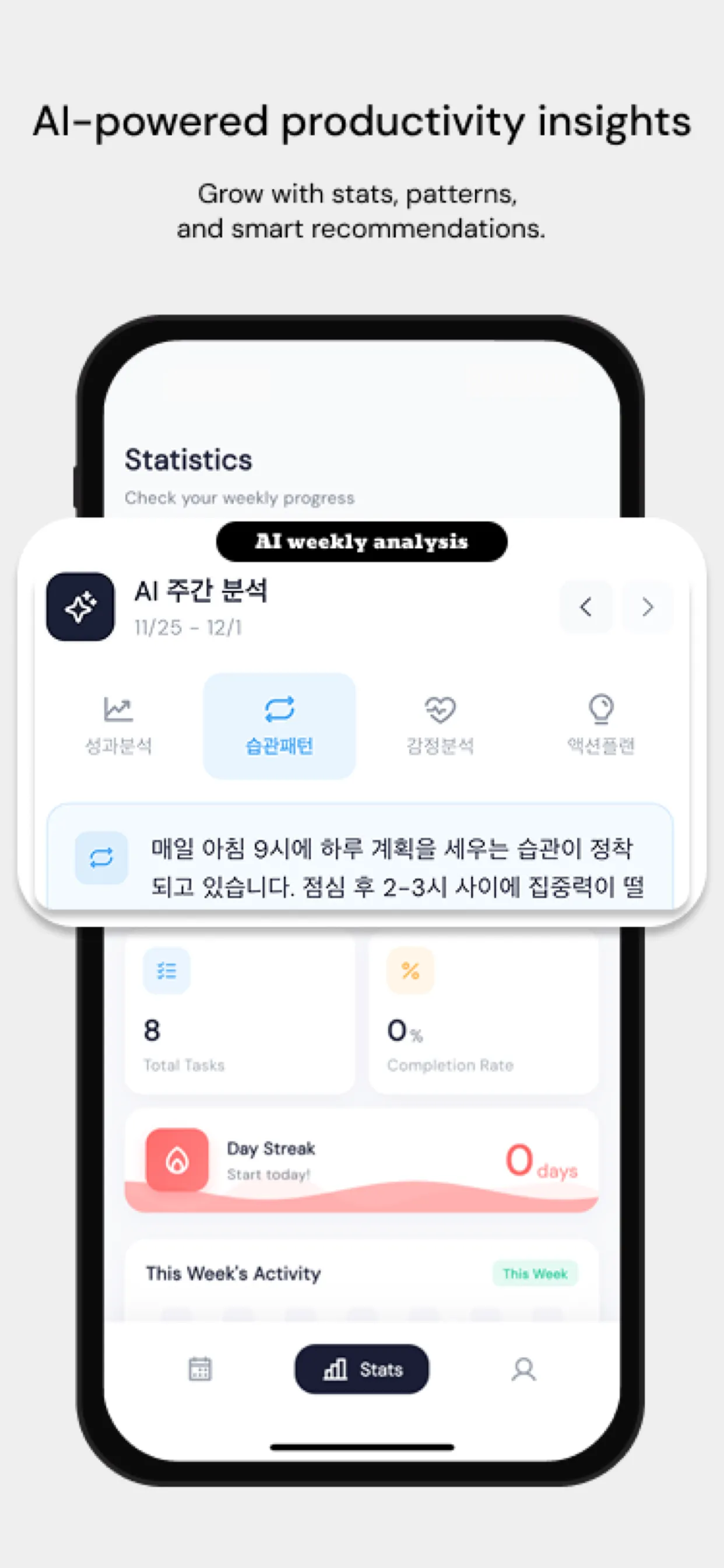
Chrobox lets you plan time blocks and see where your hours actually went. Comparing your intended study schedule against your actual behavior reveals patterns—like always skipping the math block—that you can fix before they cost you grades.
Smarter studying starts with knowing exactly how your time is being spent.