How to Build the Perfect Morning Routine with Time-Boxing
The morning is the one part of the day you can control most completely. No meetings have been scheduled, no emails demand immediate replies, and your willpower reserve is at its highest. Time-boxing that window turns good intentions into a repeatable system.
Why Morning Routines Fail
Most people approach mornings reactively—reaching for the phone, responding to whatever feels most urgent. Without a plan, the first hour drifts by in a fog of low-value activity, and the day never recovers its sense of direction.
Time-boxing solves this by making decisions in advance. You don't choose what to do each morning; you simply execute the plan you already made.
Designing Your Morning Blocks
Identify your non-negotiables. List the three to five activities that, if completed every morning, would make the biggest difference to your health, focus, and mood. Common options: exercise, journaling, reading, deep work, meditation.
Order by energy requirement. Physical activity first if you need an energy jolt. Creative or cognitive work next, while the mind is fresh. Lower-stakes tasks last.
Assign realistic durations. Don't schedule a 60-minute workout if you've never exercised in the morning before. Start with 20 minutes and build up.
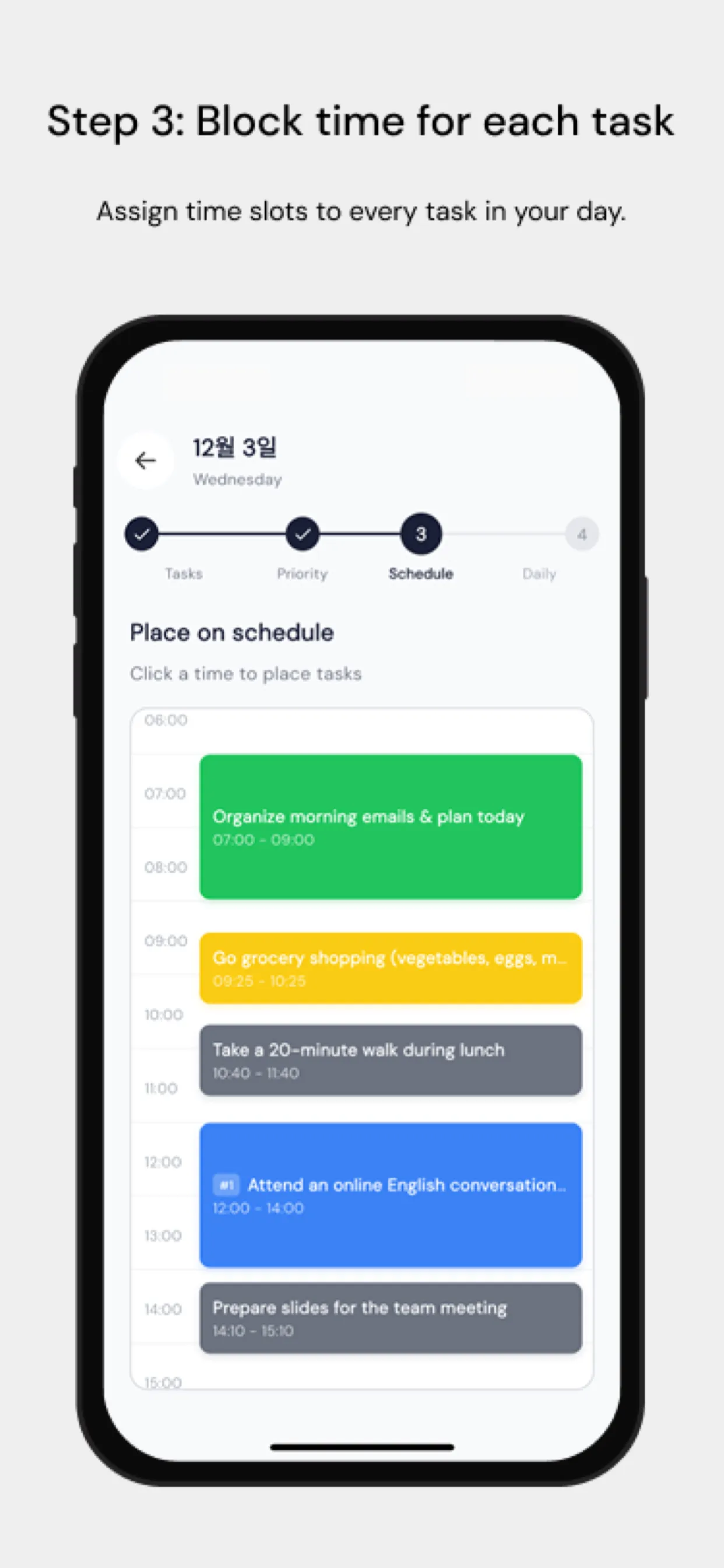
Sample Morning Time-Box (90 minutes)
- 6:00–6:20 Light exercise or walk (20 min)
- 6:20–6:30 Shower and dress (10 min)
- 6:30–6:50 Breakfast without screens (20 min)
- 6:50–7:20 Deep work or reading (30 min)
- 7:20–7:30 Day planning and inbox review (10 min)
Making It Stick
Anchor to an existing habit. Attach your first block immediately after waking. The habit of waking becomes the trigger for the routine.
Prepare the night before. Lay out workout clothes, set up your journal, and close unnecessary browser tabs. Reducing friction at the start of each block increases follow-through.
Track completion, not perfection. Missing one block doesn't ruin the routine. Log what you completed and carry on.
The Role of Flexibility
A rigid routine breaks under real-life pressure. Build in one flex block of 15 minutes that you can repurpose as needed. This buffer prevents a single unexpected event from collapsing the entire morning.
Chrobox and Your Morning Routine
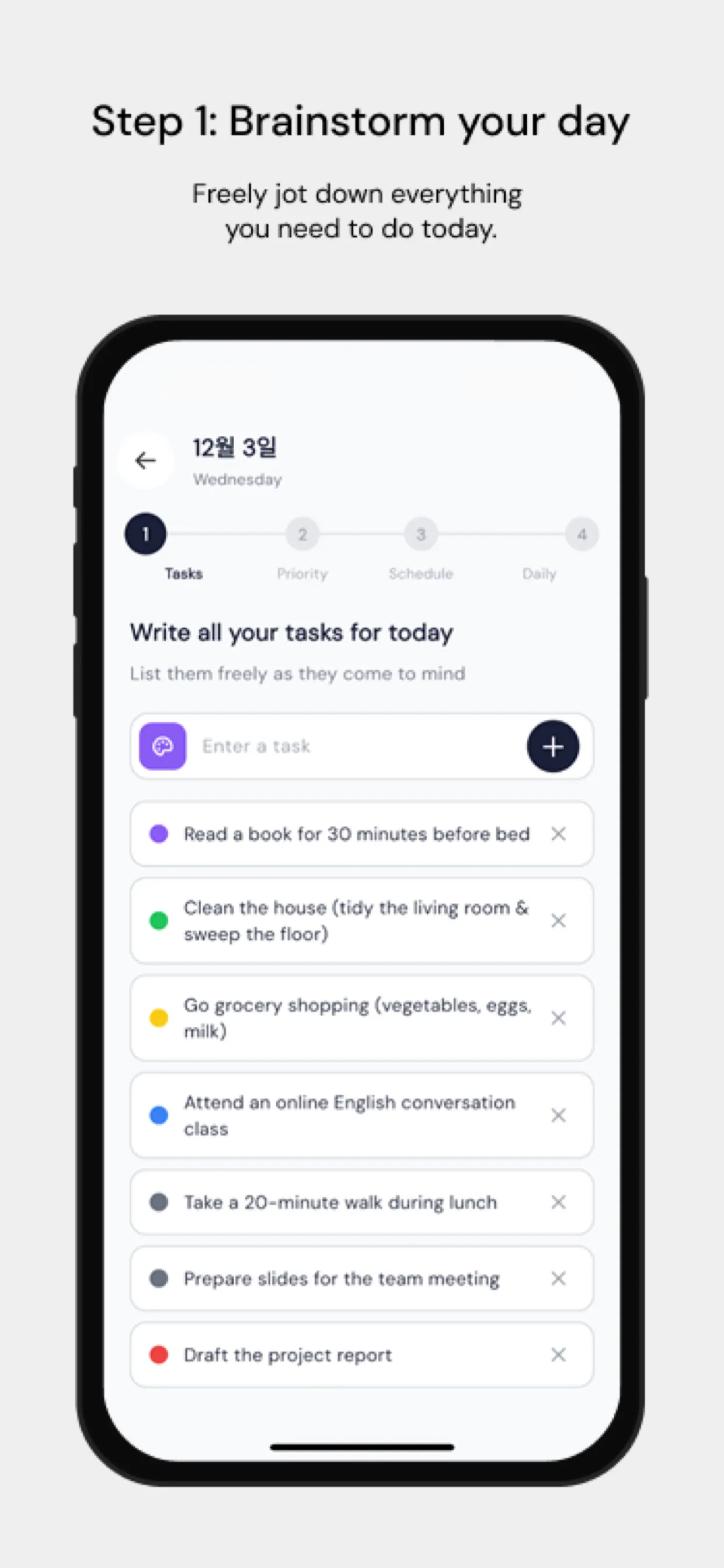
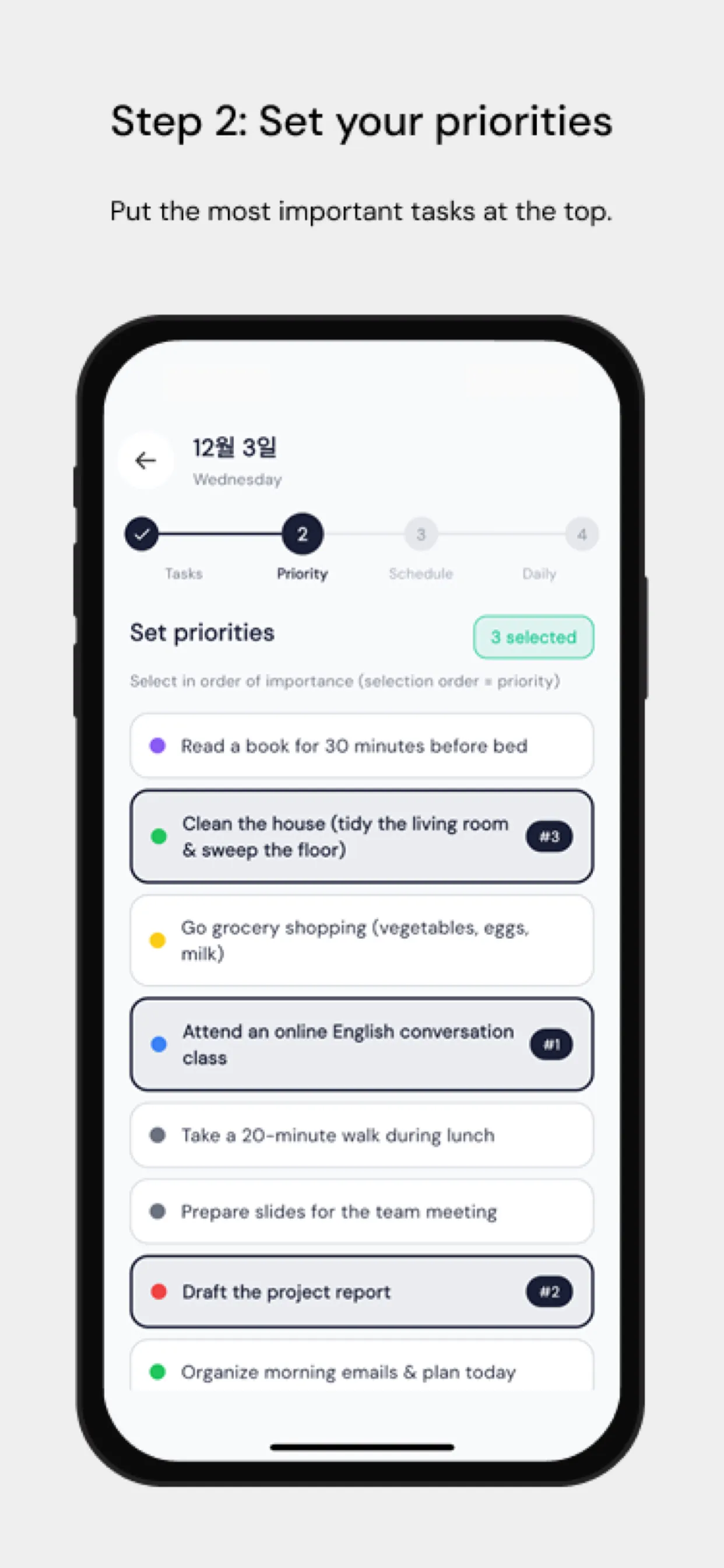
Chrobox integrates with your calendar to visualize your morning blocks alongside the rest of your day. Reviewing how your mornings compare week over week reveals drift before it becomes a problem—and keeps your most important hours protected.
Your best days start the night before, with a plan already in place.